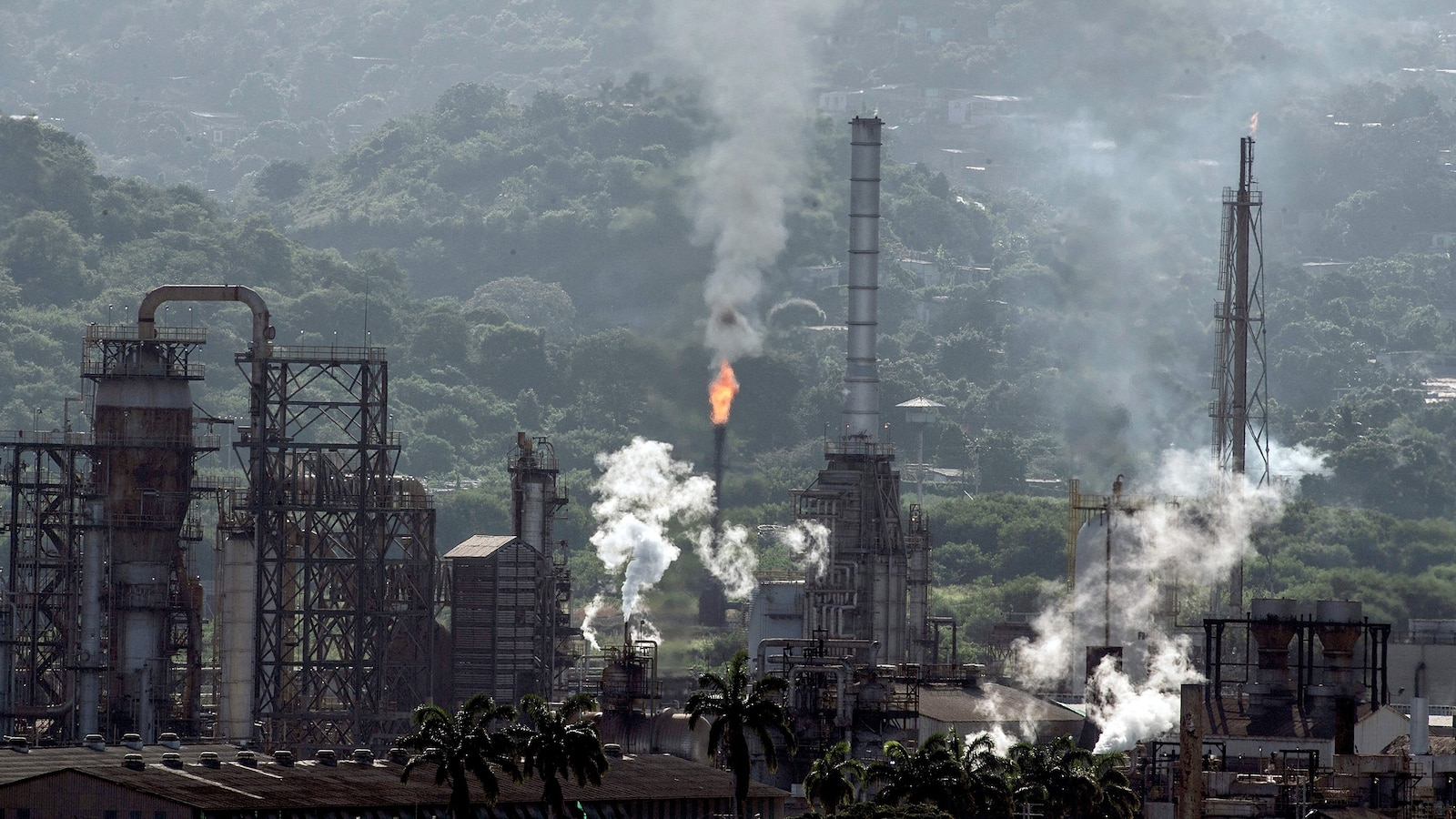
The U.S. removal of Venezuelan President Nicolás Maduro and comments from President Trump about U.S. firms running Venezuela’s oil sector have pushed U.S. oil stocks higher, but analysts warn major hurdles remain. Venezuela holds roughly 303 billion barrels (about 17% of global reserves) dominated by heavy crude, exported ~749,000 bpd last year versus a 1990s peak of 3.5m bpd, and analysts estimate about $110 billion of investment would be required to raise output to ~2m bpd by the early 2030s. Low oil prices (WTI ≈ $58) and political, legal and infrastructure risks, plus outstanding arbitration claims from ExxonMobil and ConocoPhillips, mean any recovery and commercial access for U.S. firms would be multi-year and capital intensive.
MARKET STRUCTURE: The immediate winners are integrated majors with existing footprints in Venezuela (Chevron/CVX) and companies that can deploy large-capex quickly; losers include high‑cost US shale names and local service contractors lacking political protection. Restoring meaningful Venezuelan output requires ~$110bn capex to hit ~2.0mbpd by early‑2030s, so any material supply effect is multi‑year, not instantaneous; intraday equity moves (CVX +5%) are sentiment trades, not fundamentals.
RISK PROFILE: Tail risks include renewed insurgency/sabotage, multilateral legal challenges (UN/Treaty), and counter‑intervention by Russia/China that could trigger sanctions or asset seizures — any of which could wipe out project value. Time horizons: days (volatility and equity pops), weeks/months (licensing, OFAC decisions, ICSID recovery negotiations), years (capex deployment and production recovery). Hidden dependencies: access to service contractors, insurance, and global shipping/logistics chains.
TRADE IMPLICATIONS: For the market, adds asymmetric optionality to large diversified majors while depressing marginal barrel economics for >$60/bbl US shale; net effect likely modest downward pressure on WTI over 3–5 years (estimate $2–6/bbl) if Venezuela re‑enters markets. Cross‑asset: potential tightening of credit spreads for investment‑grade oil names, widening of high‑yield E&P spreads, and higher implied vol in oil equity options around policy/court events.
CONTRARIAN ANGLES: Consensus underestimates political/legal frictions and overestimates speed of recovery — historical parallels: Iraq/Libya took 3–7 years to restore output despite foreign control. Therefore front‑loaded equity rallies look overdone; the true arbitrage is between well‑capitalized majors (who can wait) and levered small caps (who price in short‑term upside they won’t realize).
AI-powered research, real-time alerts, and portfolio analytics for institutional investors.
Request DemoOverall Sentiment
mildly positive
Sentiment Score
0.12
Ticker Sentiment
