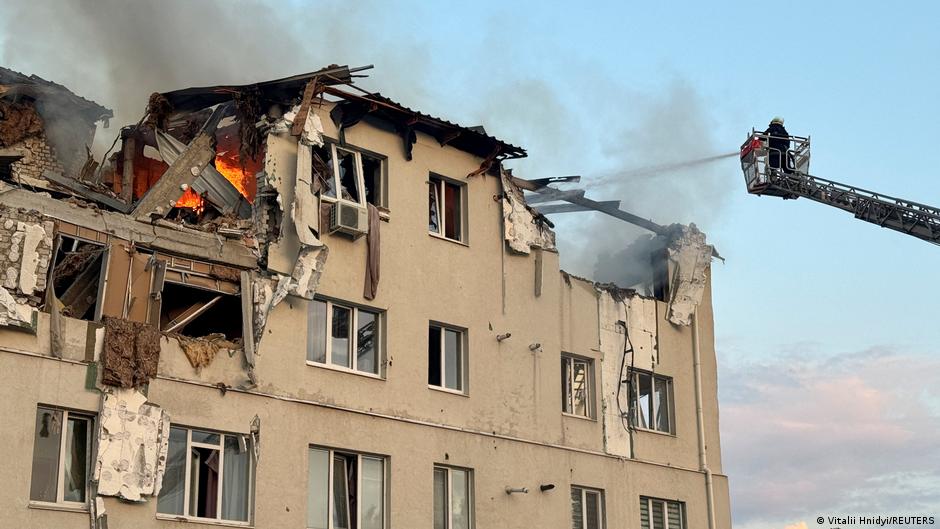
Ukrainian drones struck a major Gazprom-run oil refinery in Russia's Bashkortostan region, 1,400 kilometers from the front line, as part of a strategic effort to disrupt Moscow's energy revenues. This attack contributes to a series of strikes that have already reduced Russia's refining capacity, leading to higher domestic fuel prices, petrol shortages, and an extended ban on petrol exports, signaling continued pressure on Russia's economic stability and potential implications for global energy markets.
Ukrainian drone strikes are successfully targeting critical Russian energy infrastructure deep within its territory, as evidenced by the attack on a major Gazprom-run oil refinery in Bashkortostan, 1,400 kilometers from the front line. This is not an isolated incident but part of a sustained campaign explicitly aimed at diminishing Moscow's energy revenues. The cumulative impact of these strikes has already removed a notable share of Russia's refining capacity, leading to tangible domestic economic consequences including higher fuel prices, petrol shortages, and a government-mandated extension of a ban on petrol exports. The operational strain is further highlighted by Gazprom Neft's decision to delay maintenance at another facility to prevent a worsening supply crunch. This military strategy, combined with international pressure such as US tariffs on countries purchasing Russian oil, indicates a multi-pronged effort to weaken Russia's economic foundation for its war effort, with significant and escalating implications for its domestic fuel market stability.
AI-powered research, real-time alerts, and portfolio analytics for institutional investors.
Request DemoOverall Sentiment
Neutral
Sentiment Score
0.00
