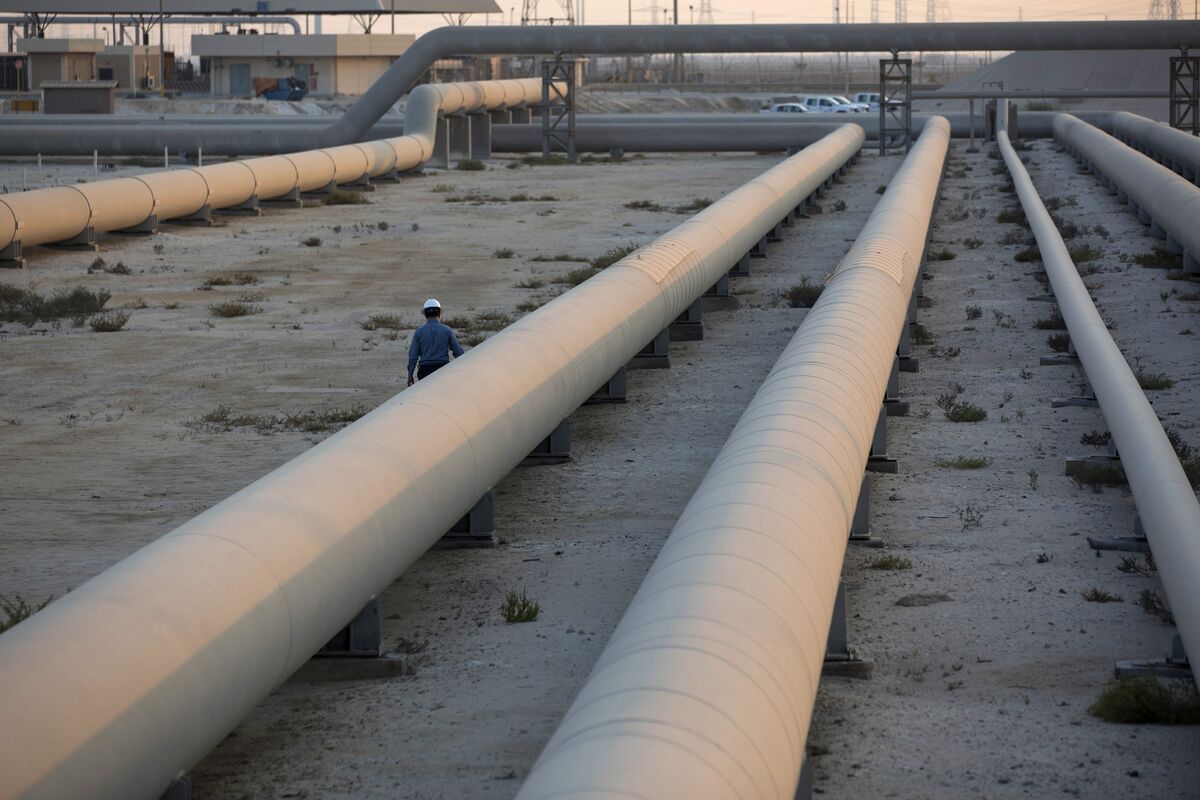
Saudi Arabia is poised to significantly increase its oil exports by approximately 500,000 barrels per day in September, driven by higher production and reduced domestic consumption post-summer, according to analytics firm Kpler. This anticipated surge, with further increases projected through 2026 as new projects come online, intensifies market concerns about a looming oil surplus.
Saudi Arabia is positioned to significantly increase its crude oil exports by approximately 500,000 barrels per day in September, according to analytics firm Kpler. This supply surge is driven by the dual impact of higher production and a seasonal decline in domestic demand as peak summer cooling requirements subside. The development exacerbates existing market concerns regarding a potential supply surplus, a sentiment reflected in the bearish tone of the data signals. Furthermore, this is not a short-term anomaly; supply is projected to continue increasing through 2026, supported by both ongoing output expansion and the commissioning of a major new natural gas project, which will displace oil in domestic consumption and free up additional barrels for the export market. This structural shift points to a sustained period of amplified supply availability from the world's largest exporter, fundamentally weighing on the global oil balance.
AI-powered research, real-time alerts, and portfolio analytics for institutional investors.
Request DemoOverall Sentiment
moderately negative
Sentiment Score
-0.50
