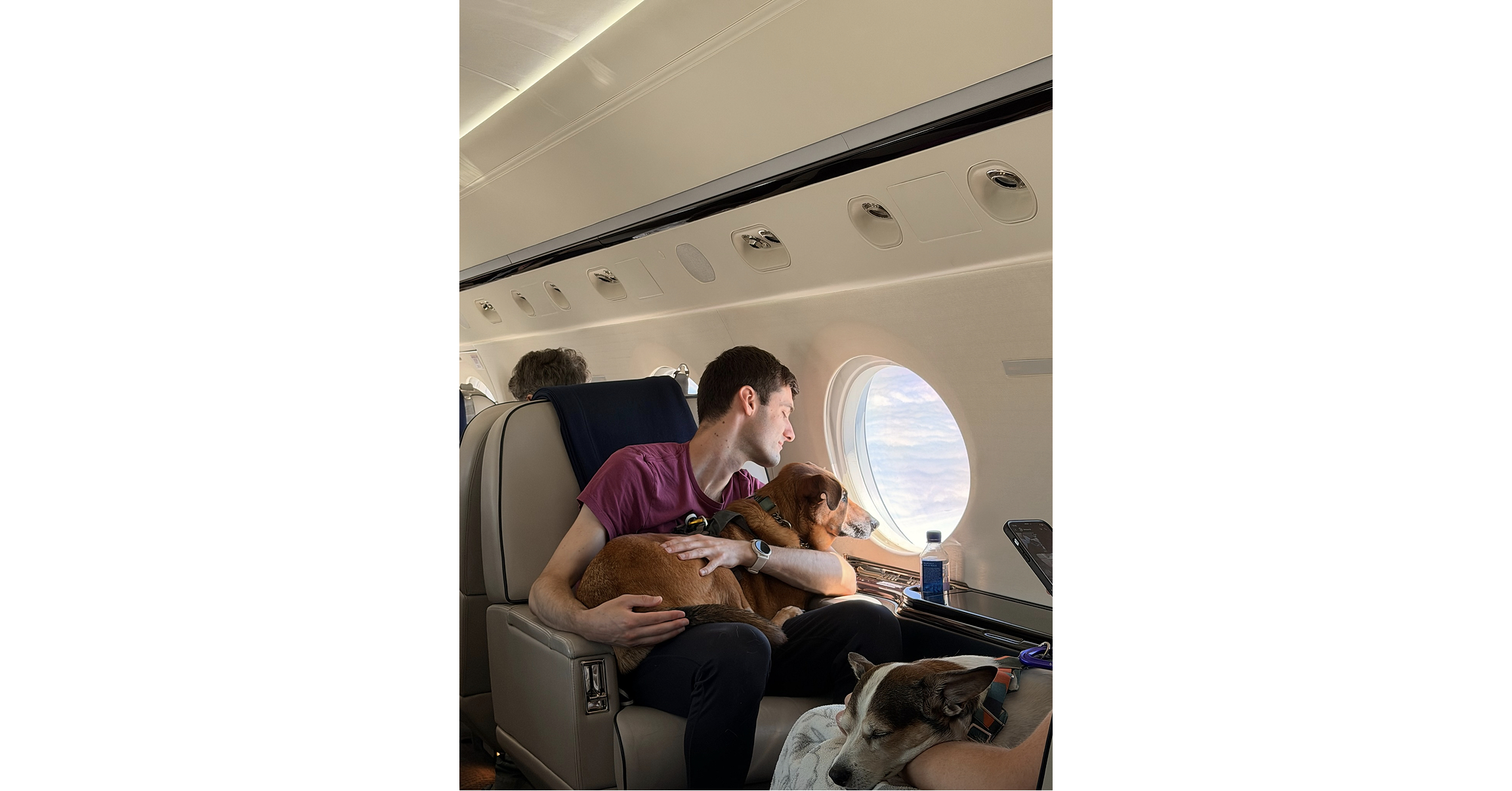
Vicuna Air launched “Vicuna Waypoints,” a new pet-first end-to-end travel service connecting European city travelers to its transatlantic gateways (including New York–Brussels) via pet-friendly transport and hotel stays, managed by a concierge team. The offering includes an “Express Route” (streamlined, fastest practical connections with necessary stops) and a “Scenic Route” (bespoke multi-day itineraries using first-class rail, private drivers, ferries, and selected hotels). Initial rollout targets Northern Europe, extending reach to cities such as Hamburg, Copenhagen, Stockholm, and Oslo beyond Vicuna’s direct routes.
This looks more like a distribution and packaging upgrade than a meaningful new revenue stream. The economic lever is higher customer lifetime value from concierge-led bundling, not incremental aircraft capacity, so any P&L impact should be measured in conversion rate and attach rate rather than top-line headlines. In the near term, the market should treat it as a marketing signal unless the company later discloses repeat-booking data or partner economics.
The second-order winners are the service layers around the journey: boutique hotels, private drivers, rail operators, and pet-oriented ancillary services that can sell into affluent travelers without owning aviation assets. The losers are generic premium travel products that rely on route convenience alone; if this model works, it shifts differentiation toward orchestration and away from the flight itself. That creates a mild competitive threat to legacy carriers only if they respond with comparable door-to-door pet programs, which is a slow operational lift.
Risk is mostly execution and scale. If the itinerary complexity causes high fulfillment costs, the service becomes a margin sink and a customer-acquisition expense disguised as premium positioning. The thesis would be falsified by weak utilization, low repeat rates, or evidence that customers still choose direct routes over the bundled experience once pricing is fully visible; that is a 1-3 month watch item, not a same-day catalyst. The contrarian view is that pet travel may be a surprisingly sticky, high-willingness-to-pay niche, but the addressable market is still small enough that public-market investors should not overreact.
AI-powered research, real-time alerts, and portfolio analytics for institutional investors.
Request DemoOverall Sentiment
mildly positive
Sentiment Score
0.18
