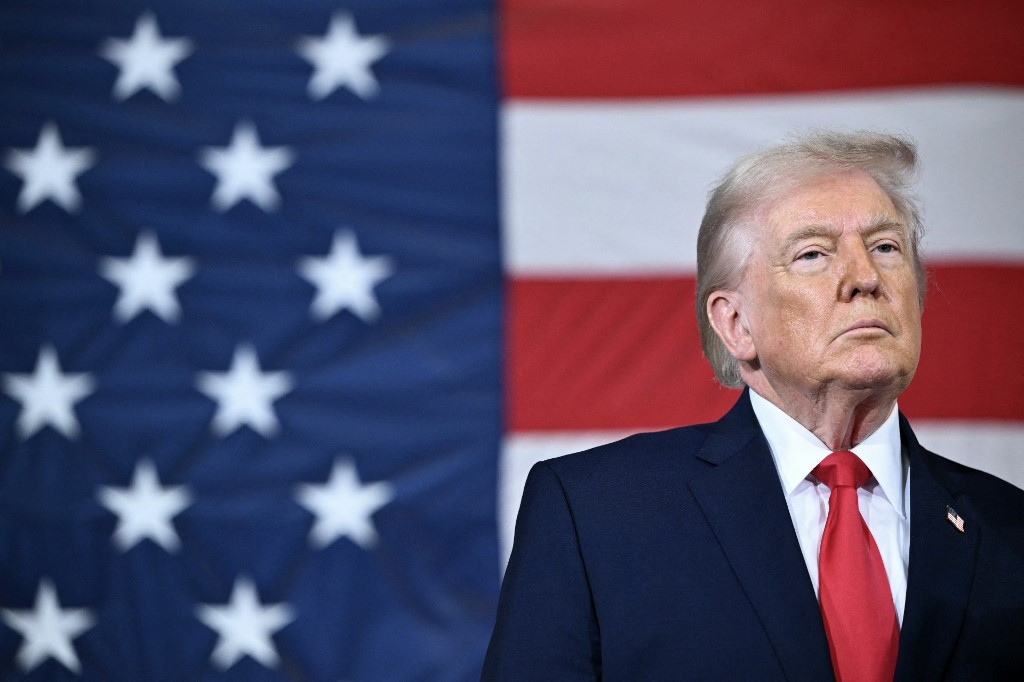
Global perceptions of the United States fell to a net rating of -16%, below Russia’s -11% for the first time, while China registered +7%. The decline from +22% two years ago was linked to tariffs, NATO tensions, reduced support for Ukraine, and Greenland-related threats, signaling worsening geopolitical and trade sentiment toward the US. The survey covered more than 94,000 respondents across 98 countries and may weigh on perceptions of US leadership and alliance stability.
The market implication is not the headline itself, but the signaling effect on policy credibility. When the US brand deteriorates relative to rival powers, the second-order damage is to coalition durability: allies hedge more, sanctions become less enforceable, and procurement decisions in defense, energy, and critical infrastructure tilt toward redundancy rather than reliance on US leadership. That is bearish for US soft-power-dependent assets over a 6-18 month horizon, while benefiting defense primes and non-US suppliers that can monetize “strategic autonomy” spending.
The more immediate transmission channel is trade and tariffs. Perceptions like this can harden foreign willingness to tolerate de-risking from US suppliers, especially in sectors where switching costs are moderate: semis, industrial automation, telecom equipment, and civil aerospace. If foreign consumers and governments become more willing to accept non-US alternatives, the US loses pricing power even without formal retaliation; that is a slow-burn margin headwind rather than an abrupt revenue shock.
The main contrarian read is that sentiment may be near a tactical extreme and thus less tradable on a headline basis than on policy follow-through. Global perception can snap back quickly if the US moderates tariffs, reduces rhetorical pressure on allies, or re-engages on security commitments; these are the true catalysts to watch over the next 1-3 months. Conversely, if negotiations with allies stall into summer summit season, the narrative can compound into a broader discount on US assets, particularly in sectors reliant on trust, standards-setting, and cross-border procurement.
The clearest winner is defense and security self-help: Europe and parts of Asia are likely to accelerate domestic sourcing, stockpiles, and dual-use capacity. The loser set is US exporters with high international mix and low switching barriers, where valuation multiples may compress before earnings do. This sets up a relative-value trade rather than a broad market short: long beneficiaries of strategic fragmentation, short the most globally exposed US discretionary industrial franchises.
AI-powered research, real-time alerts, and portfolio analytics for institutional investors.
Request DemoOverall Sentiment
moderately negative
Sentiment Score
-0.45
