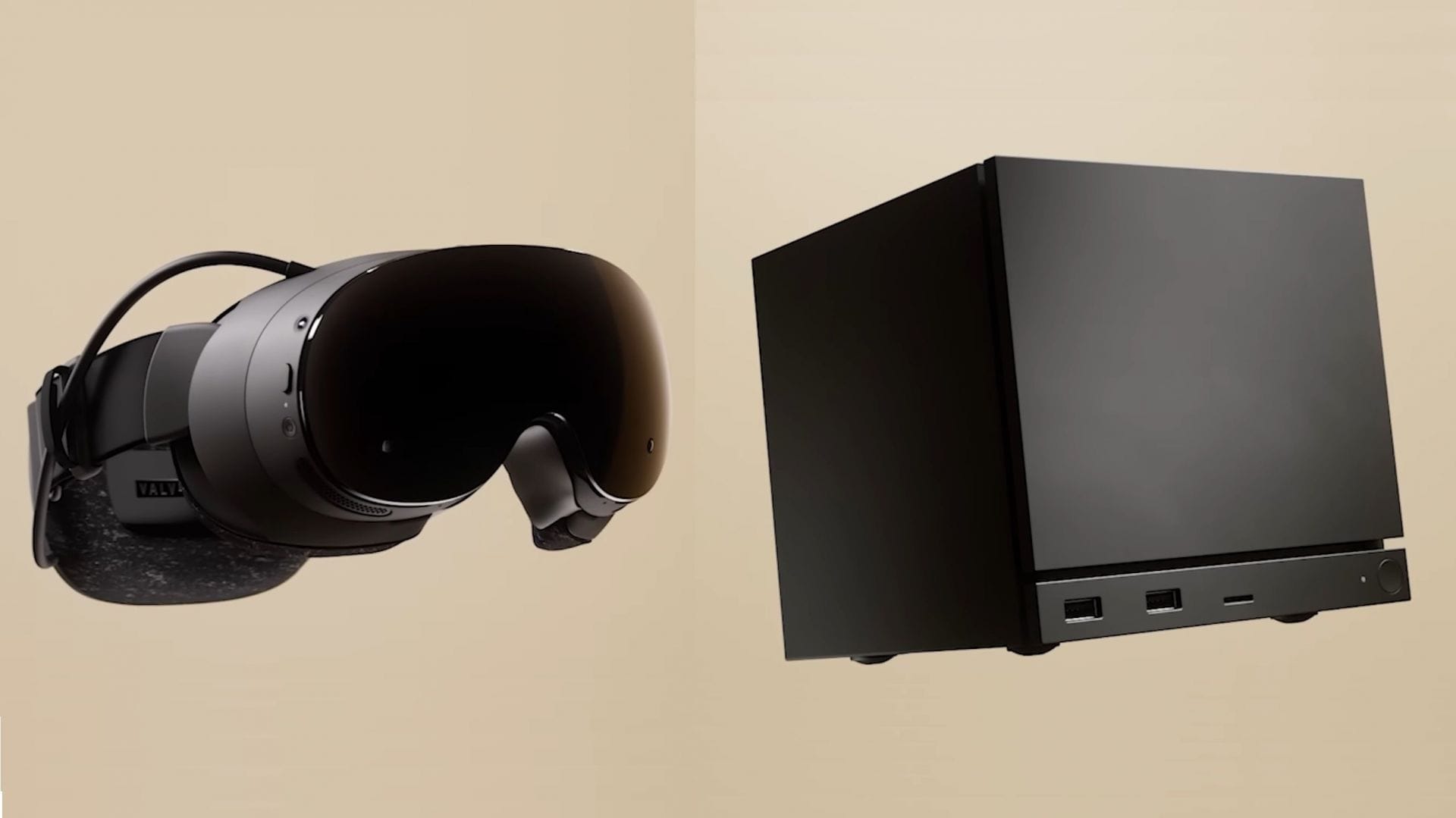
Valve’s Steam Machine, Steam Controller, and Steam Frame remain on track for a first-half 2026 launch, with official product pages now live on KOMODO Station in Asia. The listing suggests an announcement is imminent, likely placing the release window in May-June 2026. Pricing has not yet been disclosed, so the market impact is limited until Valve provides concrete launch details.
This is less a single-product launch story than an inflection point for the entire PC gaming hardware stack. The most important second-order effect is inventory re-stocking: once a launch becomes credible, component buyers tend to pre-emptively secure memory, Wi-Fi, cooling, and controller subassemblies, which can tighten an already fragile supply chain and delay any normalization in spot pricing. That makes the near-term winners more likely to be upstream component vendors with allocation discipline, while the losers are late-order OEMs that lack priority with fabs and assemblers.
The market is likely underestimating how much of the value accrues to software distribution and ecosystem lock-in rather than the hardware margin itself. A successful launch broadens the addressable audience for living-room and handheld PC gaming, which should support higher engagement, more third-party accessory attach, and incremental spend in digital content. The competitive pressure lands on traditional console ecosystems and on PC accessory brands that rely on Windows-first setups, because this kind of product can compress the usability gap that kept mainstream users from adopting PC-native gaming hardware.
Catalyst risk is binary and near-term: if pricing lands above expectations, unit momentum can still miss even with strong brand interest, and the market will quickly rotate from scarcity excitement to affordability concerns. Over a 1-3 month horizon, the key variable is not demand hype but whether Valve can translate anticipation into a broad enough price-performance wedge versus consoles and premium handhelds. Over 6-12 months, the larger risk is that this becomes a niche enthusiast launch unless software compatibility and accessory support create a repeat purchase cycle.
The contrarian view is that the move may already be partially crowded on sentiment, while the real trade is in the suppliers and platform beneficiaries rather than the headline hardware itself. If the launch is imminent but pricing is not yet disclosed, the setup favors volatility around the announcement rather than a clean directional breakout. The strongest signal to fade would be a high ASP reveal that validates brand strength but caps unit scale; the strongest signal to chase would be a sub-console price point that forces competitors to defend share with promotions.
AI-powered research, real-time alerts, and portfolio analytics for institutional investors.
Request TrialOverall Sentiment
mildly positive
Sentiment Score
0.20
