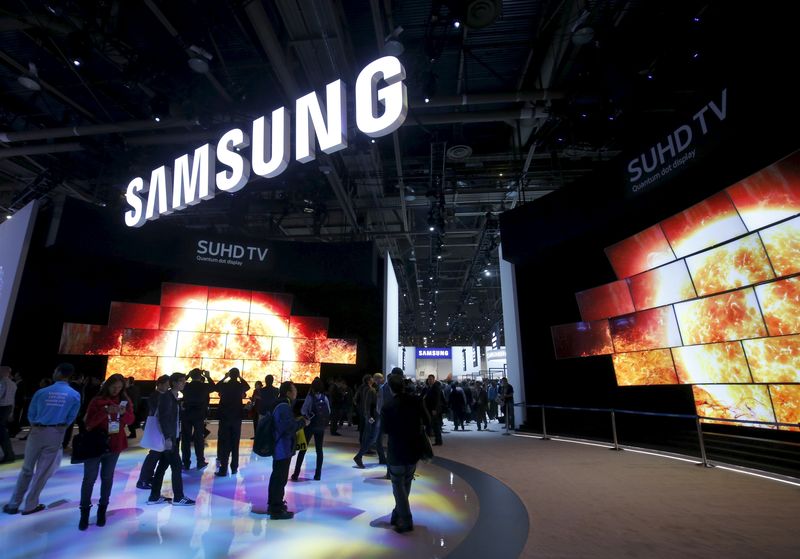
Samsung Electronics crossed a $1 trillion market valuation for the first time as shares jumped more than 11% to a record 261,500 won. The rally was driven by a memory-chip upcycle, tight supply, strong AI-related demand for high-bandwidth memory, and renewed optimism after reports of exploratory talks with Apple and Intel on processor manufacturing. The article also highlights Samsung’s heavy investment to reinforce chip leadership and diversify supply-chain relationships away from Taiwan Semiconductor.
The key read-through is not just positive for Samsung, but structurally bearish for the single-vendor logic that has protected TSMC’s premium valuation. Even exploratory sourcing discussions from a platform customer like Apple imply a longer-term procurement option value for alternate foundries, which can cap the market’s willingness to underwrite “all-in” share gains for TSM and broaden the strategic moat for diversified foundry/chiplet ecosystems.
For INTC, this is more a sentiment and capital-formation catalyst than an immediate earnings one. If Apple is willing to test Intel as a manufacturing node, that validates the multi-year foundry turnaround thesis and could improve utilization optics, but the near-term risk is that the market prices in success before process yields and design wins are proven; this sets up a classic over-earnings-multiple, under-cash-flow mismatch over the next 2-4 quarters.
The second-order effect is on memory and advanced packaging, where Samsung’s strength may pull capex and customer attention toward heterogeneous compute architectures that are less dependent on one manufacturer. That is bullish for suppliers tied to AI memory intensity and high-end packaging, but it may be negative for smaller logic foundries and for any OEMs relying on low-friction Taiwan concentration. The move also suggests the market is rewarding strategic relevance, not just current margins, which can extend the rerating as long as the AI buildout remains intact.
Contrarian risk: the market may be overestimating how quickly Apple can diversify manufacturing. A true qualification cycle for leading-edge process manufacturing tends to take years, not quarters, and Apple historically converts supplier talk into orders slowly and selectively. If this is mostly leverage in negotiations rather than a committed shift, INTC’s upside could fade while Samsung’s valuation momentum remains tied primarily to the memory cycle rather than to foundry optionality.
AI-powered research, real-time alerts, and portfolio analytics for institutional investors.
Request DemoOverall Sentiment
strongly positive
Sentiment Score
0.78
Ticker Sentiment
