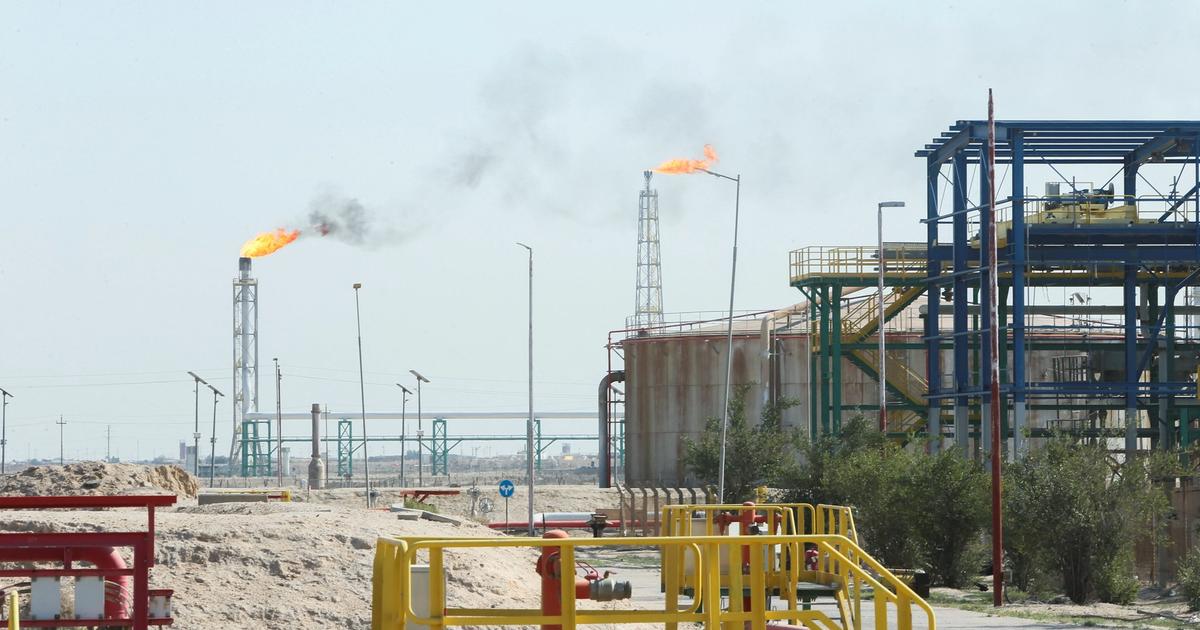
Oil markets are sharply dislocated, with Saudi Arabia’s Arab Light trading at a $27.85 premium to Brent for May delivery versus a 65-cent discount last month. Futures are falling even as physical barrels command extreme premiums, highlighting supply disruptions from the Gulf and uncertainty around the war and Hormuz risk. Qatar’s finance minister warned current premiums may be only “the tip of the iceberg,” implying further upside pressure if the crisis persists.
The key market signal is not higher oil, but broken price discovery. When prompt physical barrels trade at extreme premiums while paper curves soften, it usually means the market is underpricing near-term supply friction and overtrusting headline-driven de-escalation; that gap tends to close violently, not gradually. The second-order winner is anyone holding optionality on deliverability: refiners with inventory, storage capacity, or flexible crude slates can monetize basis dislocations, while merchants and traders with logistics reach capture spread income.
The biggest near-term losers are import-dependent refiners and downstream users in regions far from the disturbance, because their input cost inflation can arrive before product prices fully reset. That creates a lagged margin squeeze for European refiners and Asian consumers, even if headline Brent looks contained. A more subtle effect is on shipping and financing: when physical delivery risk rises, vessel routing, insurance, and counterparty terms tighten, which can keep physical premiums elevated for weeks even if futures react quickly.
Catalyst-wise, the market is in a two-stage regime: days for futures to reprice on ceasefire headlines, but weeks to months for physical premiums to mean-revert because cargo scheduling, tanker availability, and refinery run plans adjust slowly. If access through key transit routes remains impaired, the next leg is likely a shock to refined products first, then crude benchmarks, because end-users will bid aggressively for prompt barrels. The contrarian miss is that the current paper-market calm may be a trap: if the disruption persists, the real inflation impulse shows up with a lag, after complacent risk assets have already re-rated.
AI-powered research, real-time alerts, and portfolio analytics for institutional investors.
Request DemoOverall Sentiment
mildly negative
Sentiment Score
-0.35
