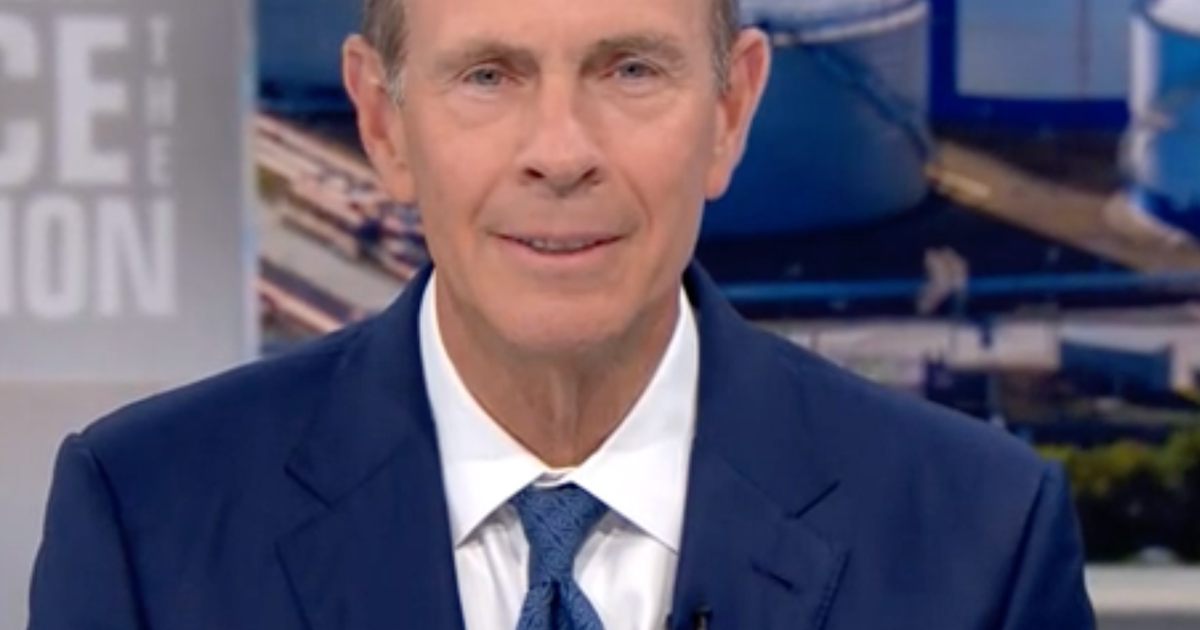
Chevron CEO Mike Wirth said the Strait of Hormuz disruption has removed about 20% of global oil flows from the system, creating upward pressure on prices and volatility that could persist for some time. He warned jet fuel markets are tightening quickly, with 75% of Europe’s imported jet fuel typically coming from Middle East refineries that are now not flowing, while restoring full flow and rebuilding inventories will take time. He also said U.S. production cannot be turned on instantly, and that long-term relief depends on permitting reform and sustained infrastructure investment.
The market is underestimating how quickly a regional supply shock becomes a global refined-products squeeze. Crude can be rationed with inventories and paper barrels; middle distillates and jet fuel cannot, which means the first-order beneficiaries are not just upstream producers but also logistics-sensitive refiners and shipping names that can arbitrage regional dislocations. The bigger second-order winner is domestic infrastructure optionality: firms with Gulf Coast exposure, storage, pipeline, and export capacity gain pricing power as physical barrels are rerouted away from the choke point.
For CVX specifically, the near-term earnings tailwind is real but not the main story. The higher-value angle is balance-sheet and portfolio resilience: integrated majors with upstream, midstream, and trading will likely outperform pure explorers because they can monetize volatility without being forced sellers of physical product. However, if the shock persists into quarter-end, the government response cadence matters more than headline geopolitics — SPR releases, shipping waivers, and diplomatic de-escalation can compress the risk premium faster than the physical system can normalize.
Consensus is likely overpricing a durable crude spike and underpricing a sustained margin squeeze in aviation, chemicals, and freight. A prolonged disruption should reduce discretionary travel and industrial demand within weeks, creating a lagged demand destruction trade that eventually caps oil prices even if headline volatility remains elevated. The contrarian setup is that the fastest upside may actually come from non-energy losers: airlines, refiners dependent on imported feedstock, and consumer discretionary names exposed to higher transport costs, while the energy complex itself could mean-revert once policymakers reopen flows or substitute supply.
The medium-term structural winner is the hemisphere reconfiguration trade: capital should migrate toward North American supply chains, Latin American reserve optionality, and companies with permit-ready projects. But that reallocation takes quarters, not days, so the cleanest tactical expression is to own volatility in energy while fading the most price-sensitive downstream users. Any sign of a credible Strait reopening or a large, coordinated inventory release is the key reversal catalyst, and would likely unwind the risk premium in 1-3 sessions even if physical tightness lingers for weeks.
AI-powered research, real-time alerts, and portfolio analytics for institutional investors.
Request DemoOverall Sentiment
moderately negative
Sentiment Score
-0.35
Ticker Sentiment
