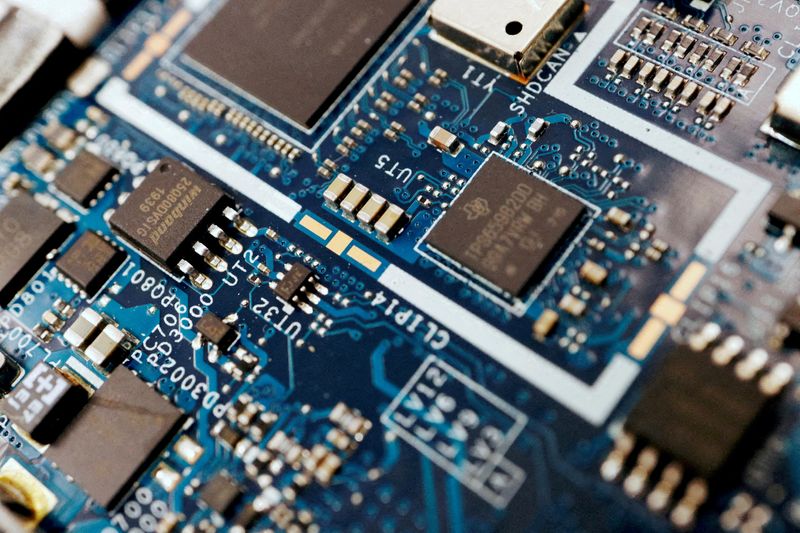
AI-driven memory-chip demand is sharply boosting profitability across Micron, Samsung, and SK Hynix, with Micron projected to generate just under $100 billion in earnings over the next 12 months. Micron is also planning $150 billion of manufacturing expansion, while analysts are lifting S&P 500 earnings estimates and upgrading Korean semiconductor stocks. The report highlights a strong upcycle for HBM chips, though history suggests valuations can peak near cycle highs before supply catches up.
The market is starting to price memory less like a commodity and more like a bottlenecked infrastructure layer for AI, but that re-rating is usually the last stage before supply response catches up. The real second-order winner may not be the obvious vendor with the cleanest earnings trajectory; it’s the adjacent ecosystem that can monetize near-term capacity scarcity without the same multi-year capex burden. That favors suppliers with pricing power in test, packaging, and equipment more than the headline memory makers themselves, because the latter eventually have to turn today’s margin windfall into tomorrow’s oversupply.
The most important risk is that the AI buildout is becoming self-limiting on memory intensity. If model efficiency gains continue, incremental demand per dollar of data center spend could flatten even as capex stays elevated, creating the classic setup where earnings peak long before revenues do. In that scenario, the market’s current willingness to underwrite sub-10x forward multiples on peak margins is dangerous: history says those are often not cheap valuations, but late-cycle valuations.
For the broader tape, the memo should be read as a warning for semiconductor duration: the earnings upgrade cycle can persist for quarters, but the equity underperformance can start much earlier once investors see capacity additions move from announcements to equipment orders. The IPO activity is also a tell — when private markets rush to monetize the AI stack, it often signals that public-market optimism is becoming a funding source for future competition. That is especially relevant for Micron, where the fundamental story is strong now but structurally vulnerable to a 12-24 month supply response window.
AI-powered research, real-time alerts, and portfolio analytics for institutional investors.
Overall Sentiment
moderately positive
Sentiment Score
0.62
Ticker Sentiment
