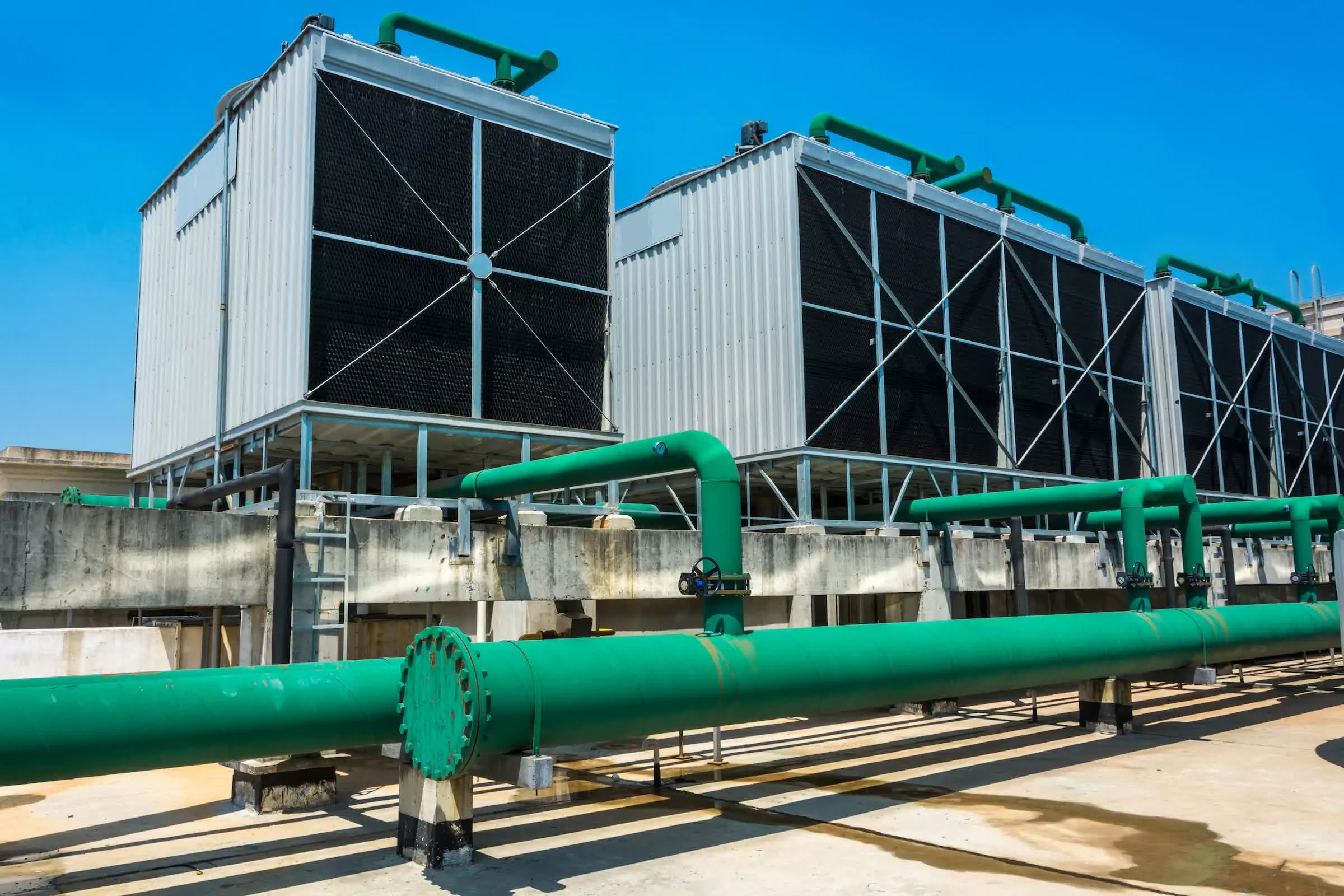
Fayette County back-billed QTS $147,474 after more than 29 million gallons of water went unaccounted for during a metering lapse tied to the county's smart-meter transition. The issue underscores infrastructure and governance gaps as large data center campuses expand into primarily residential utility systems, especially amid local drought conditions and heightened scrutiny of water use. The balance has since been paid, and the technical problem has been fixed, limiting immediate financial impact.
This is less a one-off billing miss than a preview of how municipal utilities will be stress-tested by hyperscale load growth. The key second-order effect is political: when a data center becomes the largest customer, the utility’s incentives shift from enforcement to accommodation, which raises the probability of under-penalized exceptions, delayed rate resets, and softer interconnection scrutiny. That dynamic is especially toxic in drought-prone markets, where residential conservation messaging becomes a visible fairness issue and can accelerate local moratoria even if the project is economically accretive.
The more investable implication is that water and permitting risk around data center buildouts is moving from “theoretical ESG concern” to a tangible timeline risk over the next 6-18 months. Construction-phase water intensity is the pressure point; operating assumptions matter less because the market is pricing the wrong steady-state profile while ignoring multi-quarter build cadence, municipal capacity upgrades, and potential taxpayer backlash. Names with large suburban footprints in constrained jurisdictions are most exposed to permitting friction, community organizing, and utility interconnection delays that can slip revenue recognition by quarters.
Contrarian take: the headline is bearish for the sector’s social license, but not necessarily for the projects themselves. The campus’s eventual water intensity may fall materially, which means the real issue is transition optics and governance, not structural operating cost inflation. That suggests the selloff in data-center-linked infra is likely overdone if investors are pricing permanent demand destruction rather than a temporary construction-period controversy; the better short is the municipalities/adjacent infrastructure that must absorb the growth without a pricing framework.
The broader setup argues for pairing long beneficiaries of AI buildout with shorts tied to local constraint and political backlash. The winning trade is not to short data centers outright, but to express a relative-value view that permitting, water systems, and local utilities will under-earn the growth story while the core compute infrastructure keeps compounding. If this becomes a template case, the next catalyst is local election pressure, followed by tougher zoning language and more aggressive utility surcharge proposals.
AI-powered research, real-time alerts, and portfolio analytics for institutional investors.
Request DemoOverall Sentiment
mildly negative
Sentiment Score
-0.15
