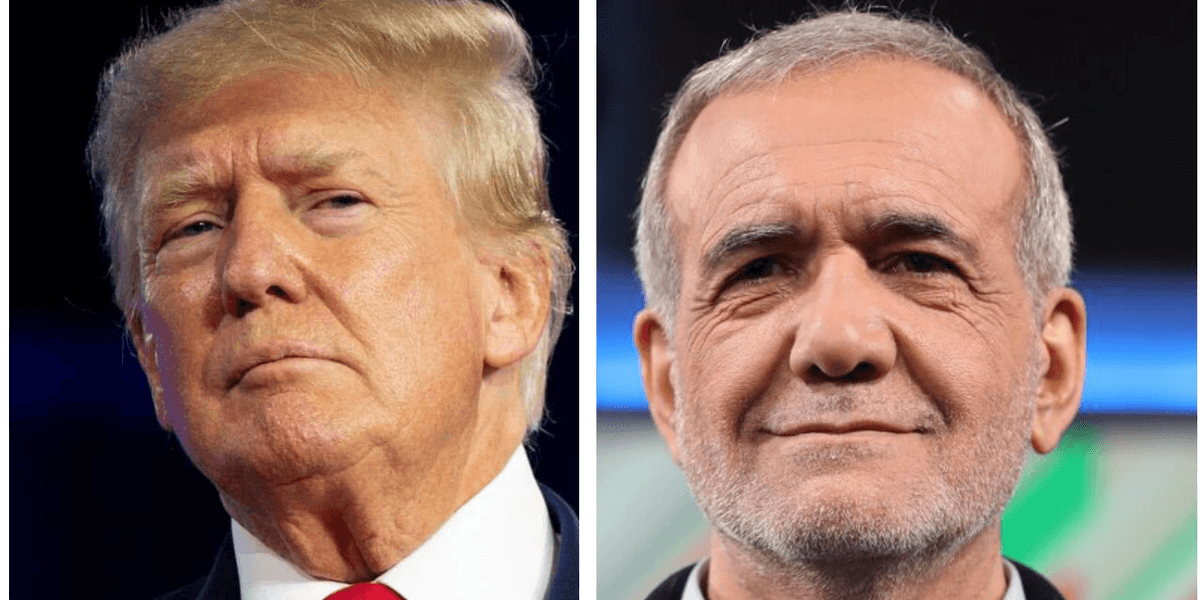
Washington announced a naval blockade of Iranian ports, while oil prices surged past $115 a barrel amid escalating tensions around the Strait of Hormuz. The article argues that Iran still controls key maritime traffic, creating a high-risk deadlock that could further disrupt global energy flows and shipping. It also highlights the threat of wider military escalation and sanctions pressure as the Islamabad talks approach.
The market is underpricing how quickly a quasi-toll regime in Hormuz can reprice not just crude, but the entire marginal cost stack for global trade. Even if the blockade is temporary, the important second-order effect is insurance, freight, and inventory behavior: refiners and shippers will front-load cargoes, widen working capital needs, and force spot premiums higher than headline supply loss alone would justify. That typically benefits upstream energy and tanker exposure first, but it also leaks into chemicals, airlines, and European industrials with 1-2 quarter lag.
The bigger strategic point is that coercion has likely strengthened the very actors Washington wants to weaken. A blockade raises the domestic political value of hardline control over maritime access, which makes partial de-escalation harder than a clean military victory would have been. That means the market should treat any negotiation headline as fragile: a short-lived rally in risk assets could reverse on implementation risk, especially if compliance depends on opaque verification or third-party intermediaries.
The contrarian angle is that the current shock may ultimately accelerate a structured settlement because both sides now have something measurable to lose every day. If the market becomes convinced that transit rights are being formalized rather than contested, the risk premium could collapse quickly, and the winners become less obvious: energy beta mean-reverts while shipping, defense, and sanctions-arbitrage names fade. The key timing is weeks, not years — the next few diplomatic datapoints will matter far more than the military narrative.
For portfolio construction, the most attractive asymmetry is to own near-dated volatility rather than outright direction in crude-linked assets. The market is likely to overreact to each headline, but the underlying regime shift argues for higher realized vol across oil, freight, and defense until a credible enforcement mechanism is announced. The failure mode is a wider regional spillover that makes the current shock look like a prelude rather than a ceiling.
AI-powered research, real-time alerts, and portfolio analytics for institutional investors.
Request TrialOverall Sentiment
strongly negative
Sentiment Score
-0.75
