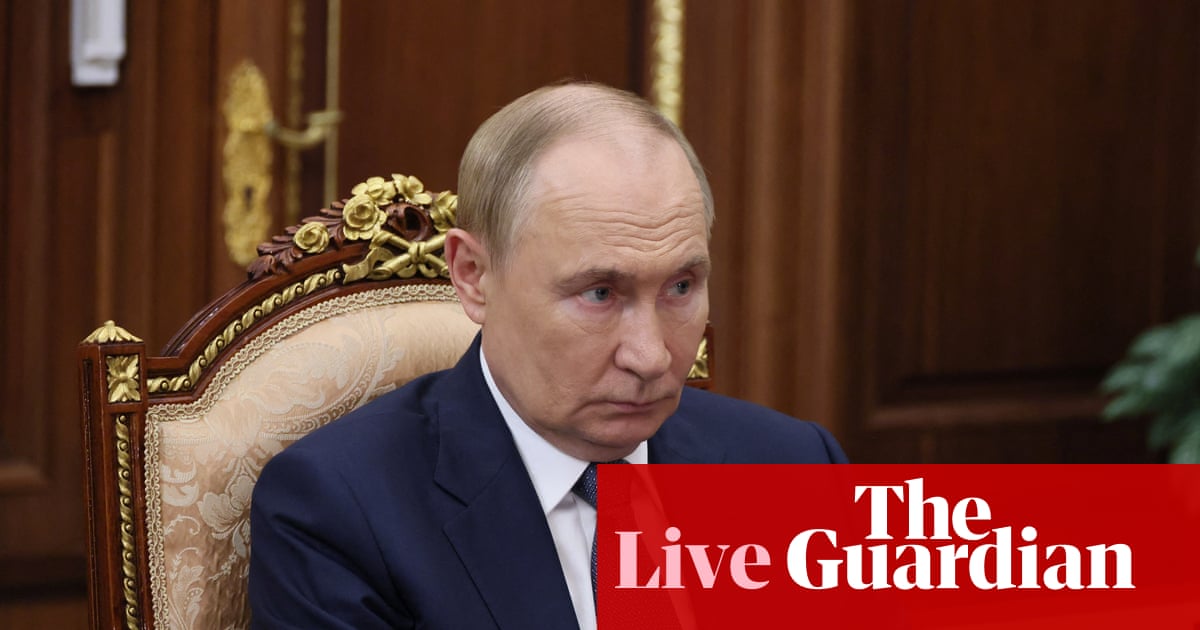
Polish authorities confirmed a Russian-linked drone exploded in eastern Poland, prompting a diplomatic protest and raising concerns about NATO airspace security and Russia's ongoing provocations. This incident underscores the broader geopolitical risks of the Ukraine conflict, alongside the UK's recent sanctions targeting Russian attempts to evade existing restrictions through Kyrgyz financial systems and cryptocurrency networks, further tightening pressure on Moscow's war economy.
A significant escalation in geopolitical tensions is underway as Polish officials attribute a drone explosion in eastern Poland to Russia with a high degree of probability. This event, which involved a military drone carrying explosives, is being framed by Warsaw not as an isolated incident but as part of a pattern of Russian provocations against NATO members, citing previous airspace violations in Romania, Lithuania, and Latvia. Poland is leveraging the incursion to underscore the direct security threat the Ukraine war poses to the entire NATO alliance, prompting a formal diplomatic protest to Russia and briefings with allies. This military escalation runs parallel to an intensification of the economic conflict, evidenced by new UK sanctions targeting Russia's use of Kyrgyz financial systems and cryptocurrency networks for sanctions evasion. Specifically, the UK has targeted Kyrgyzstan-based Capital Bank and crypto exchanges involved in a network that moved $9.3 billion via a rouble-backed token in just four months, demonstrating the increasing sophistication of both evasion tactics and Western countermeasures. The convergence of a direct military risk on NATO territory and a crackdown on complex financial evasion schemes points to a broadening of the conflict's spillover effects, raising the overall risk profile for European security and financial markets.
AI-powered research, real-time alerts, and portfolio analytics for institutional investors.
Overall Sentiment
moderately negative
Sentiment Score
-0.60
Ticker Sentiment
