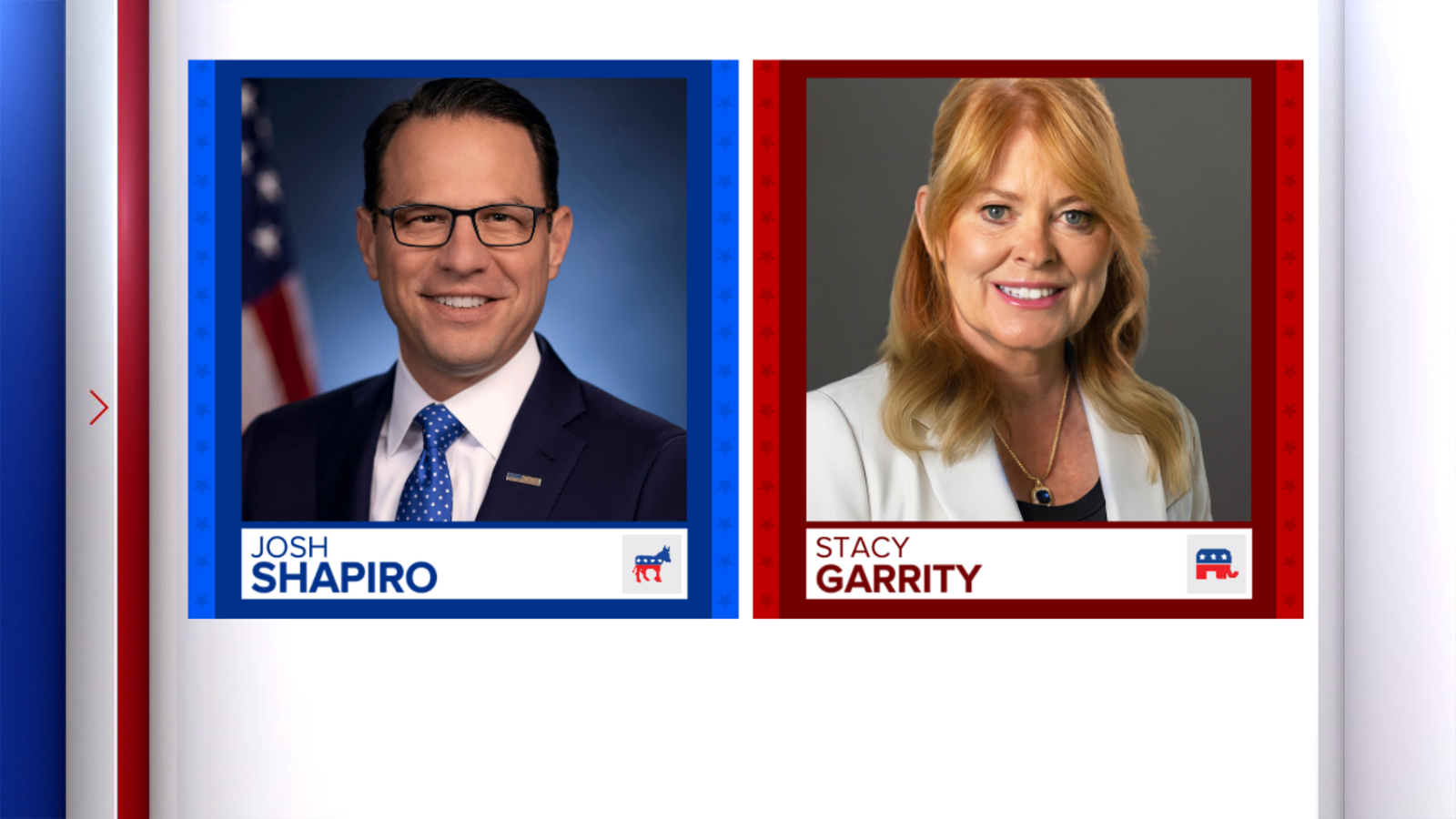
Pennsylvania Democrats backed by Gov. Josh Shapiro won key primaries in three swing congressional districts, positioning candidates Janelle Stelson, Bob Harvie and Bob Brooks to challenge Republican incumbents in November. Shapiro, who is unopposed in his own reelection path versus Republican Stacy Garrity, is using the election to push control of the state Legislature and advance priorities including mass transit funding, housing and abortion rights. The article is primarily political and has limited direct market impact.
The market implication is not the primary race outcomes themselves, but the shape of the Democratic coalition now being optimized for winnability rather than ideology. That matters because it lowers the odds of a leftward policy surprise in any eventual House sweep: the candidates most likely to be funded and elevated by the state-party apparatus are closer to the median suburban voter profile, which is a tailwind for incumbency-style campaign spending, local media, and turnout operations rather than for structural policy rupture.
The second-order effect is on Pennsylvania’s state-level legislative agenda. A Democratic breakthrough in one chamber would unlock a more aggressive housing, transit, and reproductive-rights package, which is relevant for regulated utilities, transit-adjacent infrastructure, and healthcare providers operating in the state. Even if the House map remains unchanged, a stronger gubernatorial coattail combined with targeted local victories could shift municipal and state budget priorities within 6-12 months, especially around public works and zoning-linked housing supply.
The main underappreciated risk is that this is still a turnout-sensitive story, not a persuasion story. If the national environment reverts toward a more favorable GOP midterm frame, the premium the market may currently assign to Democratic House flips could compress quickly; in that case, candidates in the bluest-leaning swing districts become the most fragile. Conversely, if Trump remains the dominant ballot issue, the anti-incumbent pattern seen in prior cycles could reassert itself, making the state’s suburban seats the highest-beta expression of a broader national rotation.
Consensus may be overestimating the linearity of a Pennsylvania blue wave. The more interesting setup is that even a partial Democratic gain could have outsized effects on state policy and infrastructure spend, while a clean sweep is less likely than headline rhetoric suggests. That makes the trade more about asymmetric event risk into November than about a durable secular re-rating of the state.
AI-powered research, real-time alerts, and portfolio analytics for institutional investors.
Request DemoOverall Sentiment
neutral
Sentiment Score
0.05
