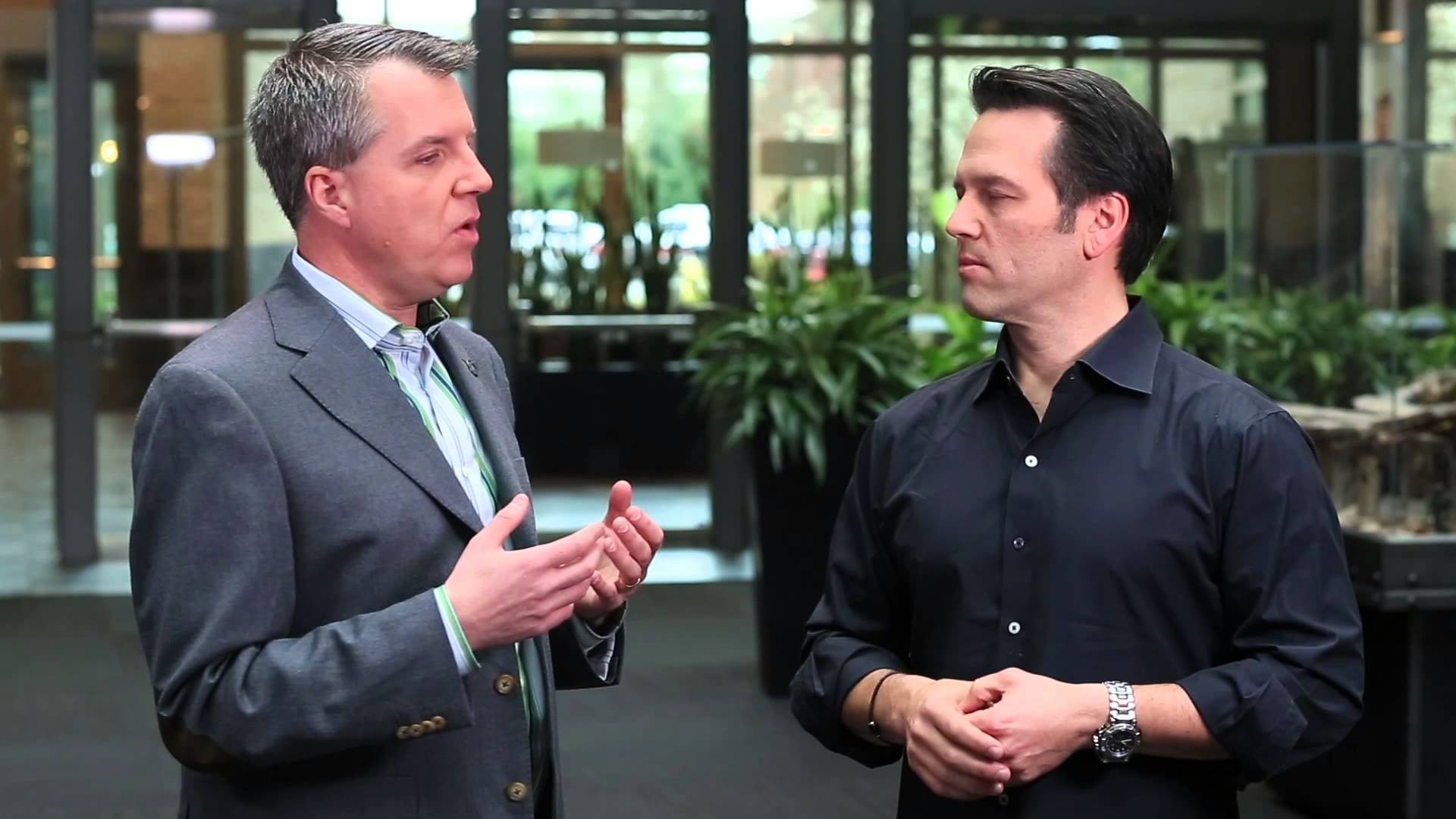
Larry Hryb (Major Nelson), long-time public face of Xbox who left Microsoft in 2023, disclosed in early 2024 that he has joined Unity as director of community and advocacy. The hire brings a high-profile gaming marketing and community veteran to Unity, which could modestly strengthen developer and consumer engagement and brand positioning, though it is unlikely to have an immediate material impact on Unity’s financials or market performance.
Market structure: This hire is a positive signal for Unity (U) developer relations — expect modest uplift in developer sentiment and partner introductions rather than immediate revenue. Winners: Unity (improved community momentum), middleware asset marketplaces, indie dev tool vendors; Losers: marginal for Microsoft (MSFT) — loss of a marketing figurehead is immaterial to Azure/Game Pass economics. Cross-asset: negligible bond/commodity impact; expect a small compression in implied vol for Unity equity if narrative sustains, option flows concentrated around 3–12 month tenors.
Risk assessment: Tail risks are operational (Unity fails to convert goodwill into increased engine adoption) and execution (negative guidance from pricing/licensing changes) with low probability but high impact; regulatory impact is remote. Time horizons: immediate (days) — PR-driven sentiment; short-term (weeks–months) — pipeline/partner announcements; long-term (12–24 months) — measurable developer migration and monetization. Hidden dependency: hire efficacy depends on Unity’s product roadmap (runtime stability, AI tools) — community advocacy alone rarely shifts share without product wins.
Trade implications: Direct: establish a small long in U (1–3% of risk capital) to capture 6–12 month re-rating if developer KPIs improve; avoid directional MSFT trade. Options: buy a 9–12 month call spread on U sized to 0.5–1% notional targeting 20–35% upside (max loss = premium). Pair: long U vs short small-cap middleware/gaming tools with weaker balance sheets (size 1:0.5) over 6–12 months to express relative adoption. Entry: scale into U over 2–6 weeks; add only if next quarter shows +3% revenue beat or +10% YoY developer engagement metrics.
Contrarian angles: The market may overvalue symbolic hires — community directors typically drive engagement slowly (12–24 months) so near-term reaction is likely underdone or noise. Historical parallels show talent moves boost PR but not fundamentals unless paired with product and commercial changes; mispricing exists if investors assume immediate monetization. Unintended consequence: stronger community ties could expose Unity to higher expectations; failure to deliver could trigger a sharper sell-off than current sentiment implies.
AI-powered research, real-time alerts, and portfolio analytics for institutional investors.
Request DemoOverall Sentiment
mildly positive
Sentiment Score
0.25
Ticker Sentiment
