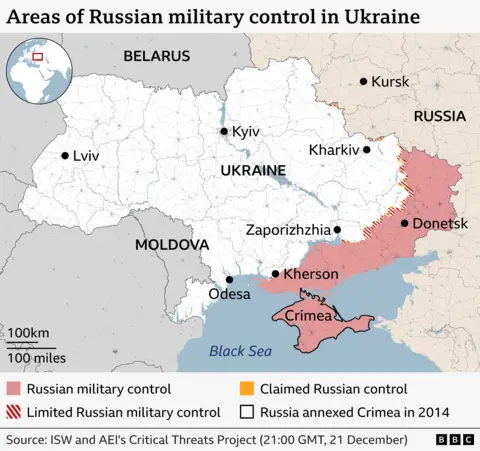
Russian forces have intensified strikes on the Odesa region, cutting power to about 120,000 people, sparking a port fire that destroyed dozens of containers of flour and vegetable oil, and triggering deadly attacks including a ballistic missile strike that killed eight and injured at least 30. Given Odesa's role as a primary grain export corridor since August 2023 and the strategic pressure on maritime logistics (including threats to Ukraine's sea access and attacks tied to tanker 'shadow fleet' issues), the escalation risks further disruption to global wheat and corn flows and adds near-term supply-chain and commodity-price risk amid stalled diplomatic progress.
Market structure: Odesa strikes directly tighten Black Sea grain outflows and raise freight & war-risk premiums. Short-term winners are alternative exporters and midstream handlers (ADM, BG) and owners of storage/alternative ports in Romania/Bulgaria; losers include Ukrainian exporters, port terminals, regional logistics and insurers facing claims. Expect a 5–25% swing in nearby wheat/corn futures over weeks depending on corridor uptime. Risk assessment: Tail scenarios include a sustained Black Sea blockade (low probability, high impact) that could push global wheat prices +30–50% within 3–6 months and force emergency export corridors. Immediate (days) risk = volatility spikes and insurance surcharges; short-term (weeks) = rerouting costs and reduced volumes; long-term (quarters) = permanent modal shifts to alternate ports and higher global food inflation. Hidden dependencies: weather in key exporters, Chinese buying, and pace of port repair. Trade implications: Tactical plays favor commodity long exposure via options to limit drawdown, selective buys of agribusiness processors (ADM, BG) and defense/energy-infra names (LMT, RTX, SHEL) as hedges. Cross-asset effects: buy 1–2% GLD or UUP for safe-haven; expect downward pressure on regional FX (UAH, MDL) and upward moves in European gas/electricity if infrastructure damage grows. Use size limits and event triggers (e.g., ceasefire, port reopening). Contrarian angles: Consensus may overprice permanent supply loss; Romanian/Bulgarian corridor can scale in 4–12 weeks—this would cap prices and punish option premium sellers. Historical parallels (2014 Crimea disruptions) show initial spikes faded after logistic adaptation. Trade sizing should therefore be option-centric, time-limited and paired with clear stop/profit rules (e.g., take profits at +20–30% on futures or if corridor fully reopens within 60 days).
AI-powered research, real-time alerts, and portfolio analytics for institutional investors.
Request DemoOverall Sentiment
strongly negative
Sentiment Score
-0.65
