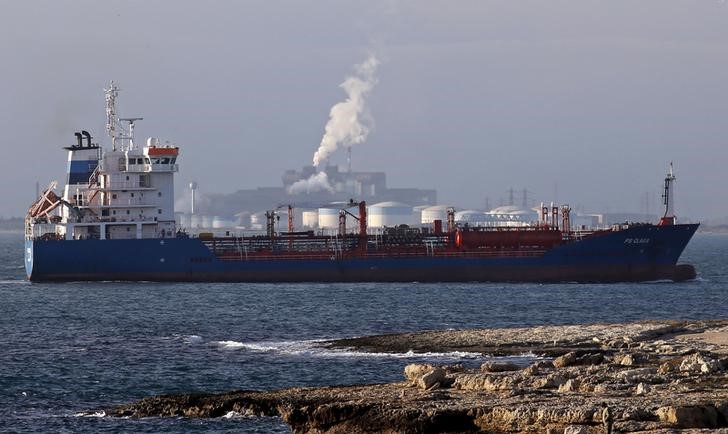
The U.S.-Iran conflict has effectively stalled oil flows through the Strait of Hormuz, disrupting about 15 million barrels per day, or roughly 15% of global liquids demand. Brent crude spiked to $120 per barrel before retreating below $100 as markets price in a diplomatic resolution, but Bernstein warns the restart process will be slow and require new shipping and insurance protocols. With more than 750 vessels stranded and no tankers currently transiting, the risk remains high for energy prices, Asia-Pacific supply security, and inflation.
The market is treating this as a headline-risk event when it is really a logistics-reset event. Even if a ceasefire emerges quickly, the bigger bottleneck is insurance, port access, routing conventions, and tanker reactivation, which means the supply response is likely measured in weeks to months rather than days. That delay creates a window where spot prices can stay deceptively soft on sentiment while physical tightness persists underneath, especially in prompt barrels and time-spreads.
The biggest second-order effect is not just higher crude, but a squeeze on Asia’s refinery and industrial margins from both feedstock scarcity and freight dislocation. Refiners with Middle East exposure should see crack spreads widen if they can secure cargoes, while import-dependent industrials, airlines, and chemical producers face a double hit from fuel and logistics costs. A further underappreciated risk is that strategic stock releases outside Asia only partially offset the issue because the problem is not total global inventory, but deliverability into the region.
Consensus appears too focused on Brent direction and not enough on market structure. If tanker transit remains impaired, backwardation should stay elevated and prompt physical differentials can tighten even if front-month futures drift below the panic highs. The contrarian setup is that energy equities may have lagged the first crude spike; if flows normalize, the move could be more muted than bulls expect, but if shipping normalization stalls, the upside is in quality upstream and tanker-linked assets rather than broad beta.
The main catalyst to watch is not diplomacy per se, but formal shipping insurance and transit protocol announcements. Those are the real release valves for Asia’s supply chain, and until they clear, volatility in oil, freight, and regional inflation expectations should remain elevated. Tail risk is a renewed escalation that forces a prolonged closure; that would shift this from a temporary shock to a multi-quarter earnings reset for import-intensive sectors.
AI-powered research, real-time alerts, and portfolio analytics for institutional investors.
Request DemoOverall Sentiment
strongly negative
Sentiment Score
-0.55
