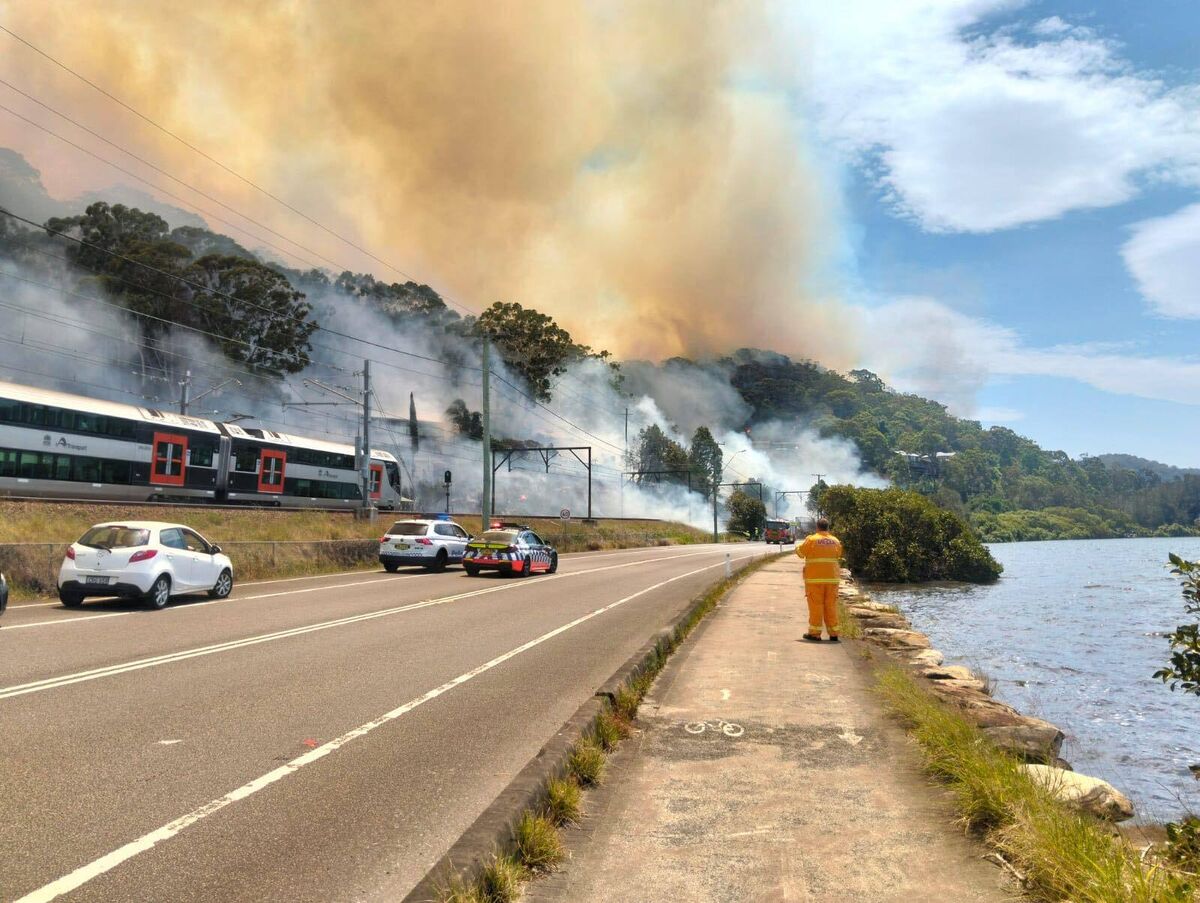
Australia activated disaster assistance in six areas of New South Wales after high temperatures and winds fuelled more than 70 wildfires across the state, including a blaze north of Sydney that destroyed about a dozen homes. Fires were also burning in parts of Tasmania and Western Australia; no fatalities have been reported. The move signals near-term government relief spending and potential localized insurance and rebuilding activity, but the event appears limited in scope for national markets.
Market structure: Near-term losers are Australian property/household insurers (e.g., ASX:IAG, ASX:QBE) facing an acute claims spike; winners are construction/materials (ASX:CSR, ASX:JHX) and contractors (ASX:CIM) that capture rebuild spend. Pricing power shifts medium-term toward insurers that can raise premiums at next renewals (3–12 months) and reinsurers that tighten capacity around July 1 reinsurance renewals. Demand signal: incremental demand for timber/lumber and building products for repair will tighten supply over 3–9 months and push spot lumber prices up ~5–20% if fires broaden. Risk assessment: Tail risks include a multi-week heatwave expanding burn area (>$1bn insured losses) that could dent NSW GDP growth quarter-on-quarter and depress AUD by 0.5–2% if tourism and consumption fall. Immediate (days) risk is earnings/claims surprises; short-term (weeks–months) is regulatory pressure on pricing or mandated coverage; long-term (12–36 months) is higher insurance penetration and sustained premium inflation. Hidden dependencies: insurer solvency is linked to reinsurance pricing and state aid magnitude; government assistance >A$500m materially blunts insurer losses but creates fiscal pressure and potential bond issuance. Trade implications: Tactical short on weak-capitalized domestic insurers into near-term claims reporting, and long building-materials and select reinsurers into premium repricing — horizon 1–12 months. Options: buy 3–6 month puts on IAG if it gaps down >5% or buy 3–6 month calls on CSR/JHX to play rebuild; consider lumber futures/ETFs for 3–9 months. Monitor catalysts: NSW estimated insured loss updates (within 7 days), reinsurance renewal pricing (by July 1), and government aid size (threshold A$200–500m). Contrarian angle: Consensus likely overstates permanent demand destruction — historically (e.g., 2019–20 Australian fires) rebuild boosts local construction activity for 6–18 months; insurers often pass through higher premiums, restoring profitability. Risk of overpaying for short-duration rebuild names exists once markets price in a large government aid package; therefore size positions small (1–3% each) and use pairs to hedge valuation risk.
AI-powered research, real-time alerts, and portfolio analytics for institutional investors.
Request DemoOverall Sentiment
mildly negative
Sentiment Score
-0.25
