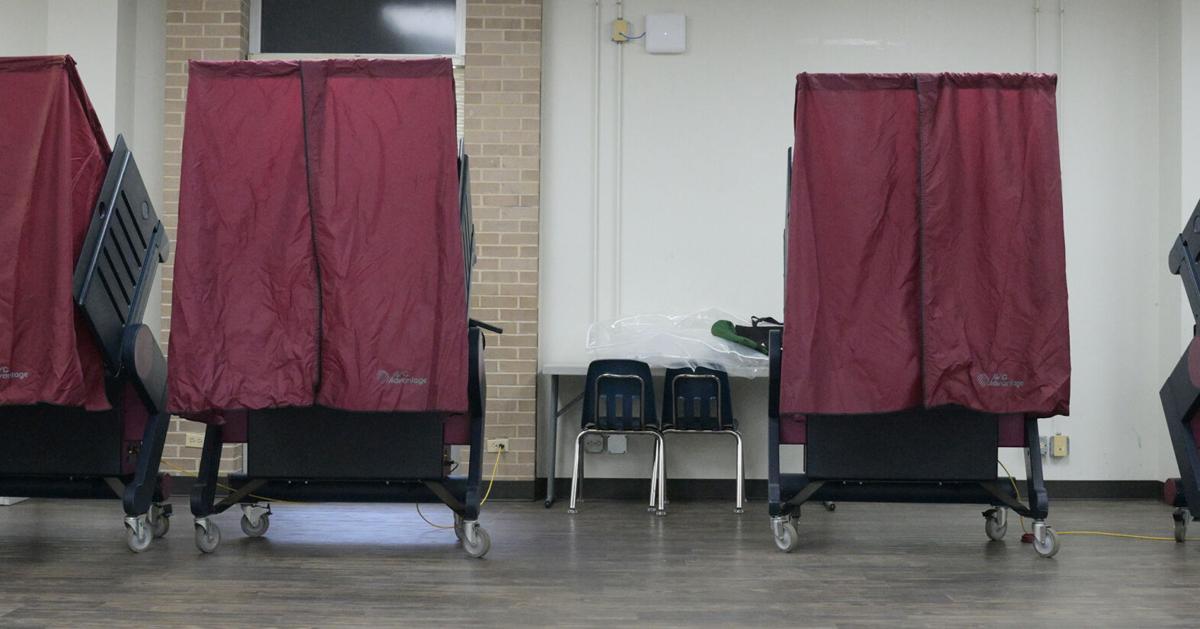
Louisiana’s election featured a major upset as Sen. Bill Cassidy was defeated in the Republican primary, while voters broadly rejected constitutional amendments tied to teacher pay, business taxes, school district changes, and judicial retirement rules. The state also began using its new semi-closed primary system, which caused delays and voter confusion. Several statewide races advanced to runoffs, including the Public Service Commission and Board of Elementary and Secondary Education.
The cleanest read-through is that Louisiana is a micro-signal for a broader Republican primaries regime where alignment with Trump now matters more than incumbent seniority, fundraising, or institutional credibility. That tends to compress policy optionality: candidates running to the right in primaries have stronger incentives to adopt anti-tax, anti-regulatory, and anti-union positions once elected, which is directionally negative for regulated utilities, municipal finance, and any state-level business model reliant on incremental fiscal reform.
The amendment wipeout is more important than it looks: repeated rejection of ostensibly pro-teacher/pro-business measures suggests voter distrust of legislative packaging, not just the specific proposals. That raises the probability of policy drift via inaction rather than sweeping reform, which is typically bearish for entities that need structural changes in tax base breadth, pension mechanics, or school-district governance to improve fundamentals over the next 12-24 months.
The new primary system also creates a measurable operational risk: longer voting lines, confusion, and lower participation disproportionately hurt down-ballot coordination and increase randomness in runoffs. In market terms, that means local influence networks become less reliable and outcome variance rises for statewide boards and commissions, especially where low-information voters dominate. The second-order implication is that utility regulation and education governance could swing more on turnout quirks than on issue-based campaigns, increasing policy noise and delaying rate/base-case decisions.
The contrarian view is that the market may overstate the immediate economic impact of these results. Louisiana’s institutional frictions are real, but the state’s fiscal trajectory is still mostly driven by energy receipts, federal transfers, and demographic stagnation; election outcomes mainly change the path, not the destination, unless they alter PSC or budget authority in a sustained way. The better trade is to fade any knee-jerk assumption of near-term reform or rate relief and wait for confirmation in committee appointments, runoff outcomes, and the first 90 days of the next legislative session.
AI-powered research, real-time alerts, and portfolio analytics for institutional investors.
Request DemoOverall Sentiment
neutral
Sentiment Score
-0.05
