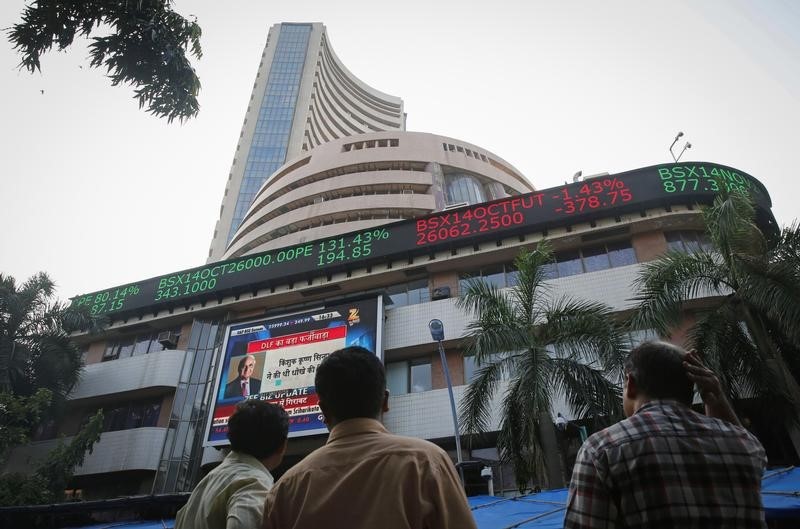
Nuvama is down ~16% YTD and 360One is down ~7% YTD; Bernstein rates 360One and Nuvama as Outperform and Anand Rathi as Market-Perform (Anand Rathi flat YTD, +9% since the start of the Middle East conflict). 360One trades at ~27x/23x FY27/FY28 consensus EPS and Nuvama at ~19x/16x; Bernstein's Manas Agrawal calls the recent drawdown unwarranted given resilient UHNW/HNW client flows and easing competitive risk. The analyst flags that FY27/28 estimates may be cut (he models a ~10% haircut scenario) due to the Mar-2026 market drawdown but says valuations would remain attractive; Bernstein has not yet revised estimates following the ceasefire announcement.
The recent dislocation in listed wealth managers appears driven more by headline fear than durable client behavior — high-net-worth allocations and fee-bearing alternative products create a structural revenue floor that reduces AUM elasticity versus retail-heavy competitors. That implies any normalization of markets should produce asymmetric upside as flows re-engage and non-equity fee pools rebound, particularly once quarter‑end reporting confirms stickier deposits and lower-than-expected redemption rates.
A major second-order dynamic is the shareholder overhang from a dominant private-equity owner: the timing and mechanics of any monetization (block trade vs staged sell-down vs strategic sale) will dominate short-term price action and can overwhelm fundamentals. Conversely, a decision by the sponsor to delay monetization until a higher multiple environment emerges would be a natural catalyst for a re‑rating and could unlock M&A optionality in a market with limited high-quality HNW platforms.
Tail risks cluster around two vectors with distinct horizons: an acute macro drawdown (days–weeks) that mechanically compresses headline AUM and fees, and a sponsor-driven liquidity event (weeks–months) that can create price pressure irrespective of flows. The mid-term catalyst set (3–9 months) to watch is quarter‑end AUM prints, RM attrition metrics, and any public signalling from the majority owner; those data points will determine whether the current discount is transient or structural.
Given the asymmetric nature of visibility on flows versus sponsor action, the highest-probability path to outperformance is a structured exposure that captures re-rating while capping sponsor-tail risk. Size and hedge to the specific monetization scenario rather than broad market direction to avoid being run over by a block trade.
AI-powered research, real-time alerts, and portfolio analytics for institutional investors.
Request DemoOverall Sentiment
moderately positive
Sentiment Score
0.35
Ticker Sentiment
