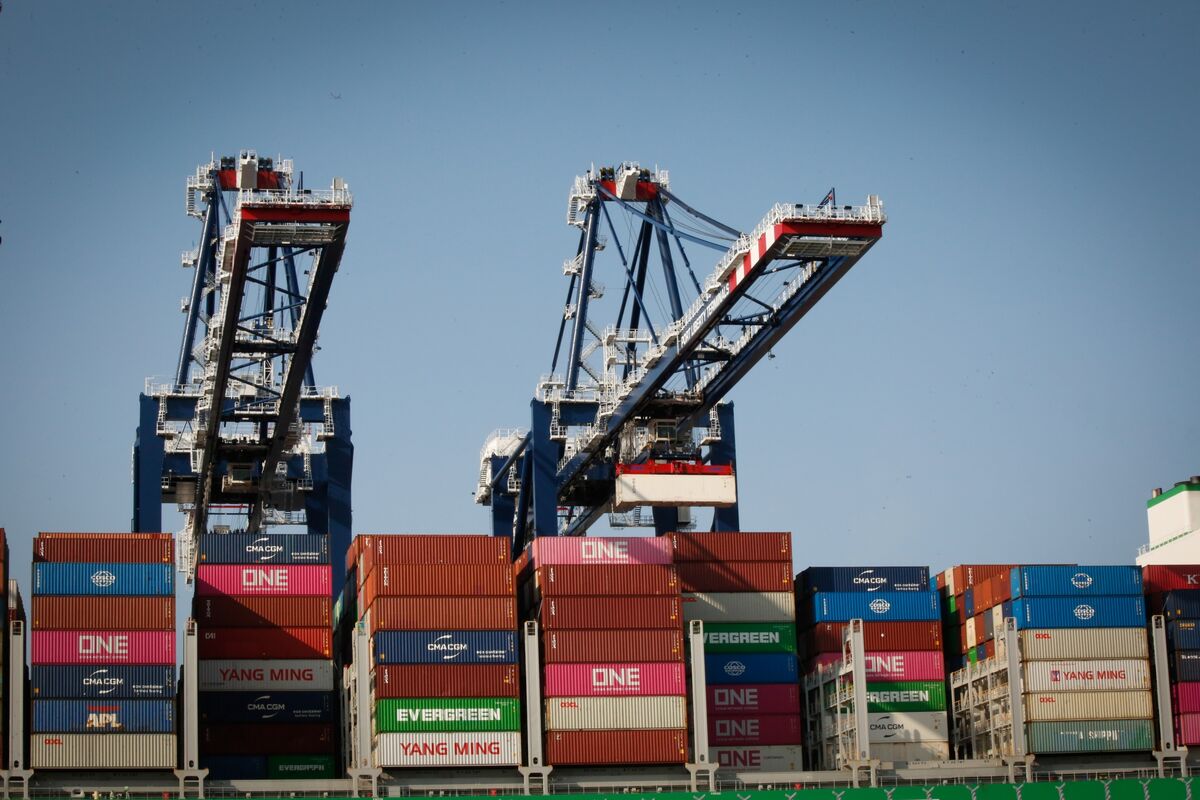
A US trade court upheld President Trump’s executive order ending the “de minimis” tariff exemption for low-value imports ($800 or less). The change is expected to drive over $1B in additional duty payments by the end of 2025, increasing landed costs for low-cost goods and potentially tightening margins for retailers and importers reliant on the carve-out.
The market implication is not the duty check itself; it is that policy risk around low-ticket imports has become harder to reverse on a quick legal timeline. That raises the odds of a persistent margin headwind for cross-border ultra-low-price sellers and a relative share tailwind for domestic inventory-based retailers that can reprice more cleanly and spread compliance costs across a broader base. The first-order loser set is the import-heavy discount ecosystem; the second-order loser is anyone relying on cheap add-on SKUs to drive traffic and basket expansion.
For DJT, the connection is mostly political beta, not earnings beta. A court validating executive tariff latitude marginally supports the narrative that Trump can execute on trade policy, but that is already a crowded macro view and unlikely to move the stock on its own unless it feeds directly into election odds or media engagement. In other words, this is more useful as a volatility catalyst than a fundamental thesis for DJT.
The near-term risk is that the pass-through is slower than the market expects, so the inflation effect may not show up in CPI or retail gross margin until 1-3 quarters out. The bigger structural effect, over 6-18 months, is supply-chain re-routing: more U.S. warehousing, more tariff planning, and less reliance on direct-from-Asia parcel flows. The thesis is falsified if the policy is narrowed by Congress/courts, or if retailer scans show no unit/share shift despite higher landed costs.
AI-powered research, real-time alerts, and portfolio analytics for institutional investors.
Request DemoOverall Sentiment
mildly negative
Sentiment Score
-0.25
Ticker Sentiment
