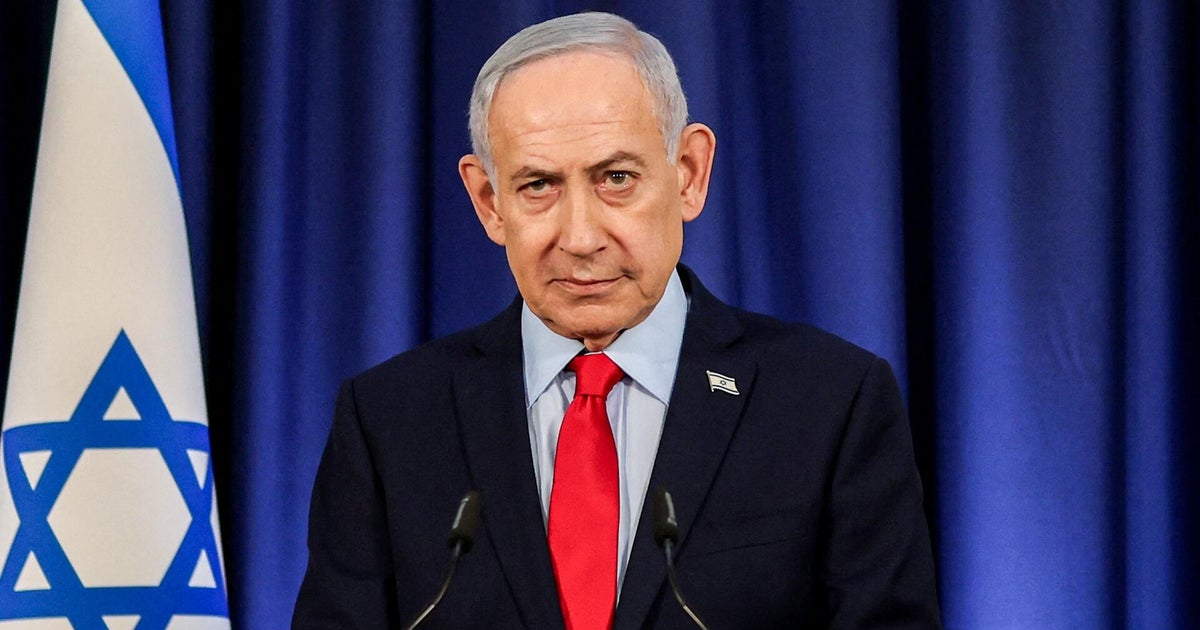
Israel's Prime Minister Benjamin Netanyahu made a secret visit to the UAE to meet President Mohammed bin Zayed, with Netanyahu's office calling it a "historic breakthrough" in bilateral relations. The article also says Israel has sent Iron Dome air-defense batteries and personnel to the UAE, underscoring deeper security cooperation. While the report is geopolitical rather than market-specific, it could have moderate implications for regional defense ties and Middle East risk sentiment.
This is less about a single diplomatic gesture and more about the institutionalization of a new Gulf security architecture. The incremental winner is the UAE’s ability to convert normalization into a de facto regional air-defense umbrella, which should lower its sovereign tail risk premium over time and improve the appeal of its external funding needs; the same logic extends to other Gulf names that can price security as a service rather than a sunk geopolitical cost. The secondary beneficiary is Israel’s defense ecosystem: once air-defense assets and personnel are deployed abroad, the relationship becomes operationally sticky, raising the probability of follow-on procurement, maintenance, and intelligence integration rather than one-off symbolism.
The market implication is not immediate headline beta; it is a gradual repricing of “Middle East stability” assumptions for trade lanes, cross-border capex, and tourism. If the UAE can absorb periodic regional shocks with visible defense coordination, insurers and logistics operators should see lower expected loss models, which matters more for freight and project financing than for spot equities on the day of the news. The main loser is any actor betting that Gulf states remain strategically isolated or unable to coordinate layered air defense—those assumptions are getting structurally weaker, which complicates coercion strategies from Iran and raises the threshold for successful escalation.
The key risk is that this deepening alignment is exactly what makes the region a more obvious target for asymmetric retaliation over the next 1-6 months. Even without direct attribution, cyber, drone, or proxy harassment aimed at ports, energy infrastructure, or aviation would test whether this security linkage is real or just ceremonial; if incidents rise, the market will quickly reprice Gulf risk and the benefit to insurers/logistics could reverse. Over a 12-24 month horizon, the bigger question is whether this becomes a broader defense procurement cycle across the GCC, which would be a positive for systems integrators and air-defense supply chains.
AI-powered research, real-time alerts, and portfolio analytics for institutional investors.
Request DemoOverall Sentiment
neutral
Sentiment Score
0.05
The contrarian view is that the market may be underestimating how little of this is about peace and how much is about deterrence economics. If investors read the development as merely symbolic, they miss the likely second-order impact on defense budgets, maintenance contracts, and regional reinsurance pricing. The upside is modest in day-one terms, but the path dependency is meaningful: once security cooperation is embedded, it tends to survive leadership changes and headline volatility.
