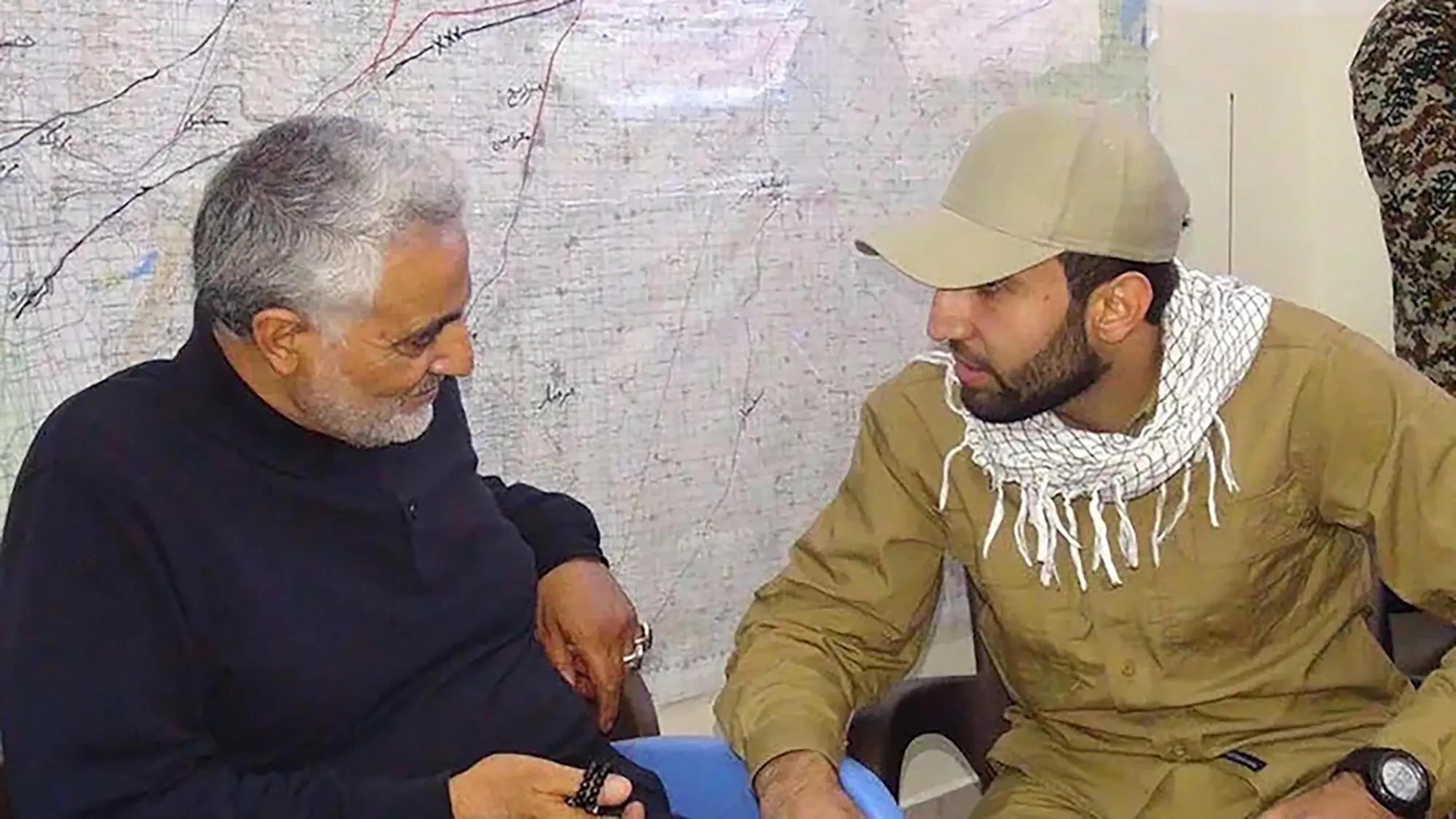
U.S. authorities arrested and charged an alleged senior Kata'ib Hezbollah commander, Mohammad Baqer Saad Dawood Al-Saadi, over a foiled plot to attack a New York synagogue and Jewish centers in Los Angeles and Scottsdale, with a reported $10,000 payment offer and $3,000 in crypto already sent. The complaint also alleges linked attacks in Amsterdam and Paris, underscoring the expanding global reach of Iran-backed proxy operations. The case heightens geopolitical and security risk, with potential implications for U.S.-Iran tensions and broader regional proxy conflict.
The immediate market read is not about the specific criminal case; it is about the regime-change in perceived attack surface for U.S. financial and community assets. Once an external proxy network demonstrates intent to target symbolic civilian infrastructure in the U.S., the marginal cost of security, insurance, and compliance rises for owners/operators with exposed urban footprints. That tends to favor firms with scalable physical-security spend and diversified tenant/customer bases, while pressuring operators whose business model depends on high-traffic public access and low-friction visitation.
BK and BAC are not direct operational victims here, but they sit in the blast radius through venue finance, treasury, and payment rails tied to New York and other gateway cities. The second-order issue is less loss content and more friction: higher security budgets at managed properties, tighter KYC/AML scrutiny around small-value crypto flows, and potential delays in closing or refinancing deals tied to urban office, retail, and mixed-use assets. Over a 1-3 month horizon, that translates into a modest risk premium on banks with large metro exposure and a relative benefit to custodians and capital-markets platforms that can monetize volatility and compliance intensity.
The contrarian point is that this kind of headline often creates a brief spike in geopolitical risk pricing without durable fundamental leakage unless there is a follow-on attempt. If the case remains isolated and authorities show strong interdiction, the equity impact should fade quickly; the real tail risk is a copycat or retaliatory plot over the next 30-90 days, especially around synagogues, diplomatic assets, and high-visibility financial buildings. In that scenario, the market would likely rotate toward defense, security tech, and low-beta cash-generative financials, while urban REITs and travel-adjacent names take the bigger hit.
For now, the more attractive expression is not a blanket short on banks, but a relative trade that captures compliance/security cost asymmetry and event-driven volatility. The setup also supports a short-dated options hedge rather than a directional macro bet, because once the market concludes the plot was contained, the headline premium can evaporate faster than the underlying policy response can be reflected in earnings.
AI-powered research, real-time alerts, and portfolio analytics for institutional investors.
Request DemoOverall Sentiment
strongly negative
Sentiment Score
-0.80
Ticker Sentiment
