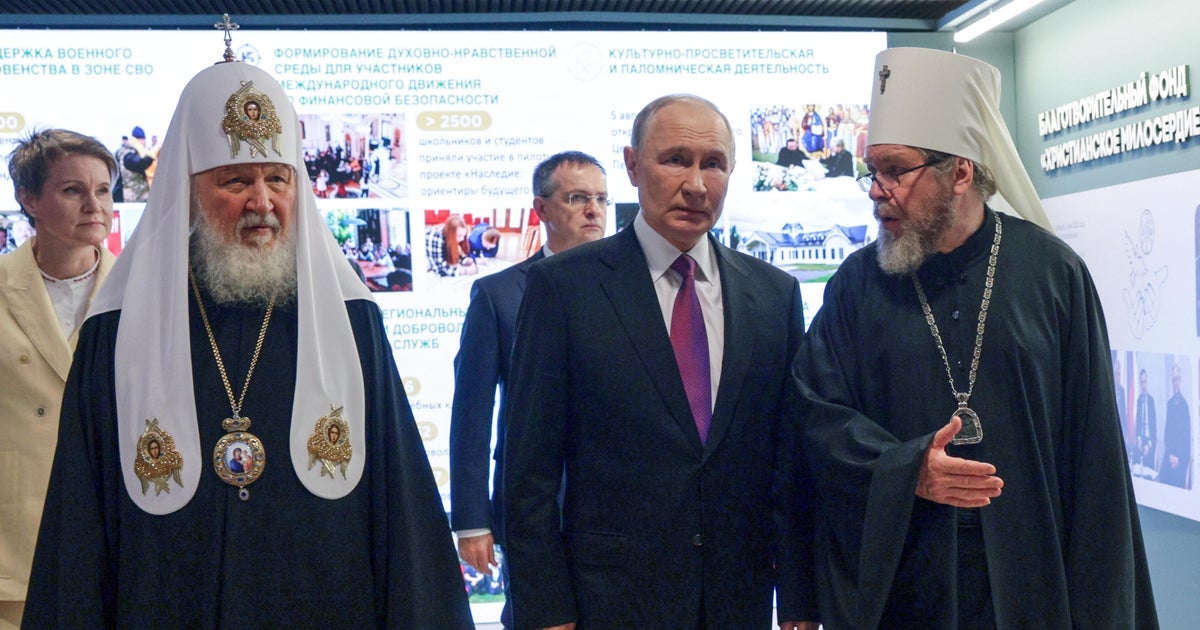
The EU imposed sanctions on more than 80 Russian individuals and entities, including senior Orthodox bishop Georgiy Shevkunov (Metropolitan Tikhon), for alleged propaganda and support for Moscow's war in Ukraine. The package also targets drone supply chains, Russia's shadow fleet, oil shipment networks, and officials linked to the Navalny poisoning case, adding asset freezes, travel bans and funding prohibitions. The move comes as Russia launched missile strikes on Ukrainian cities, killing at least 11 people, reinforcing escalation risks and pressure on Russia-linked assets.
This is another incremental step in a sanctions regime that is becoming less about headline oil volumes and more about degrading Russia’s coordination layer: propaganda, legal cover, logistics, and gray-market procurement. That matters because the marginal impact now comes from raising transaction costs and frictions across smaller choke points, which tends to show up with a lag of weeks to quarters rather than in immediate macro data. The most important second-order effect is on compliance behavior: banks, shippers, and intermediaries typically over-comply after each new round, so the real economic hit is often larger than the direct asset-freeze list suggests.
The market implication is mildly risk-off for Europe-adjacent industrials and insurers with residual Russia exposure, but the more durable winners are defense and anti-drone/surveillance suppliers across Europe. Sanctioning individuals tied to information operations and military supply chains also raises the probability of asymmetric retaliation: cyber incidents, sabotage attempts, and legal harassment aimed at Western firms operating in the region. That argues for a higher geopolitical risk premium in transport, energy infrastructure, and critical communications names over the next 1-3 months.
A contrarian read is that repeated sanctions announcements can become priced-in theatrics unless they materially hit revenue-generating export channels or third-country routing. If enforcement is loose, Russia adapts via new intermediaries and local currency settlement, limiting second-order damage after the initial compliance shock. The tradeable signal is not the sanction headline itself, but whether EU/Treasury enforcement follows through with shipping, insurance, and payment rails; if not, the move is more noise than regime change. The cleanest setup is to fade any short-lived relief rallies in Russia-exposed European cyclicals while owning beneficiaries of sustained defense normalization.
AI-powered research, real-time alerts, and portfolio analytics for institutional investors.
Request DemoOverall Sentiment
mildly negative
Sentiment Score
-0.35
