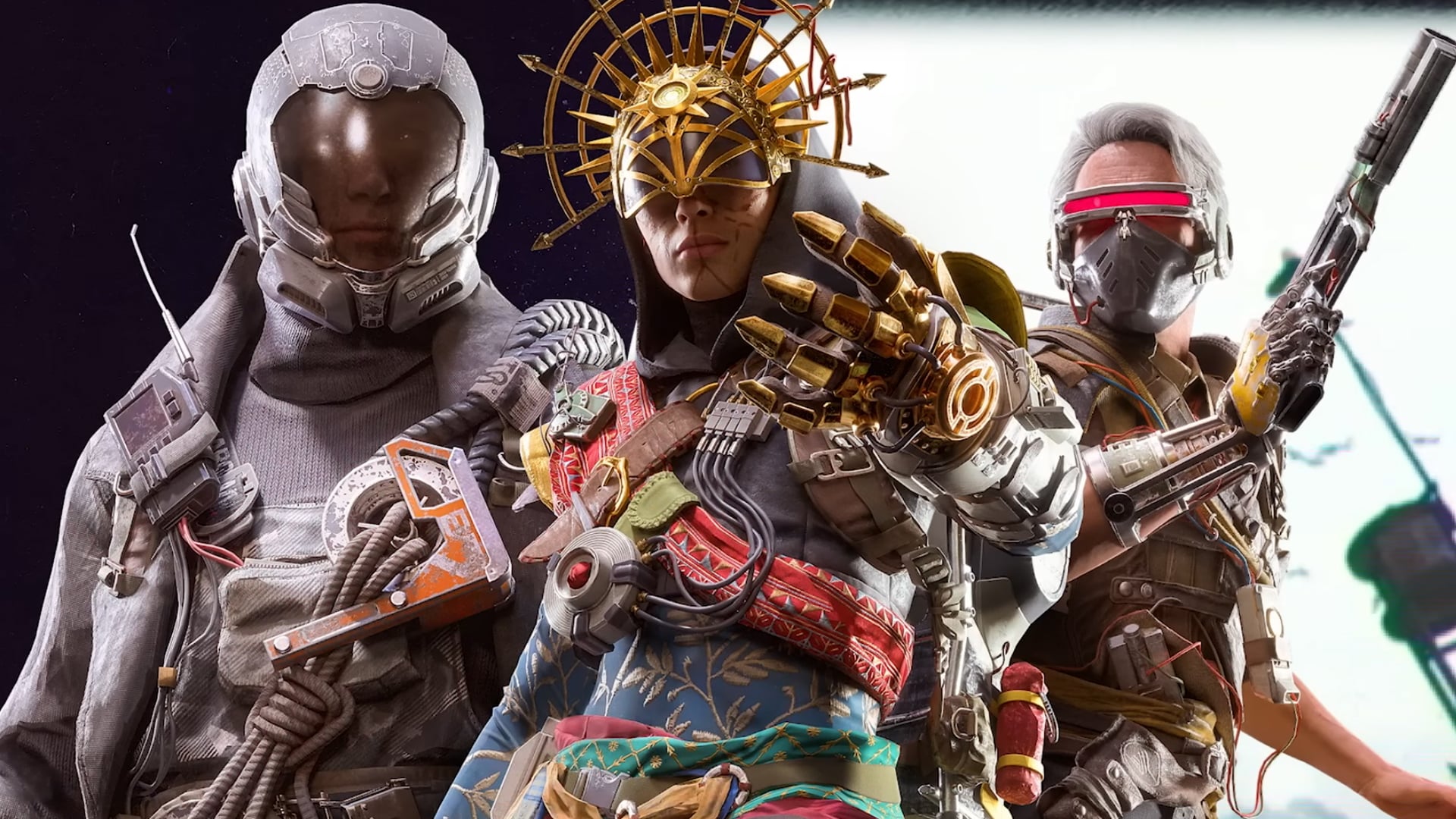
Arc Raiders' version 1.26.0 update introduced new content, but it also appears to have disabled crossplay across PS5, Xbox Series X/S, and PC, limiting players to same-platform matchmaking. Embark says it is investigating the issue and has a temporary workaround that requires restoring settings to default, while a more permanent fix is being developed. The article also notes planned future changes to the skill tree, but the core takeaway is a short-term product issue rather than a major financial event.
This looks like a short-duration reliability miss, not a thesis break. The key second-order effect is on live-service trust: a multiplayer title with cross-network functionality implicitly sells network liquidity, so even a same-day workaround can create a higher-than-normal churn risk if players perceive the ecosystem as fragmented. The immediate damage is concentrated in the highest-engagement cohort—squads coordinating across platforms—so the revenue impact is likely front-loaded into the next 24-72 hours via lower session length, softer cosmetics conversion, and more negative review velocity.
The more important read-through is operational, not product. Teams that ship frequent feature-dense updates without airtight configuration testing are signaling process risk that can recur, especially when the fix path involves resetting user settings rather than a server-side toggle. That increases the probability of support load spikes, social sentiment drag, and a temporary drop in matchmaking efficiency, all of which can disproportionately hit retention metrics for a game still trying to expand its installed base. If the issue persists beyond a few days, the market will start discounting future update cadence and may assume lower confidence in upcoming balancing changes.
Contrarian take: the market may be overreacting to the optics of a broken menu switch while underweighting how quickly this can be neutralized if the fix is simple. In live ops, fast acknowledgment plus a clean rollback or hotfix often restores most of the lost engagement within one patch cycle, so the real test is whether Embark can avoid a second bug in the repair process. The larger latent catalyst is upcoming skill-tree rebalancing; if executed well, that is more likely to matter for medium-term retention than this one-day crossplay interruption.
For broader gaming suppliers, the marginal read-through is modestly negative for studios that rely on frequent content drops and cross-platform social play, but it is not a category-wide demand shock. The setup favors a short volatility window around sentiment rather than a durable fundamental impairment, unless data shows a measurable increase in churn or a downgrade in review scores lasting beyond the next 1-2 weeks.
AI-powered research, real-time alerts, and portfolio analytics for institutional investors.
Request DemoOverall Sentiment
mildly negative
Sentiment Score
-0.15
