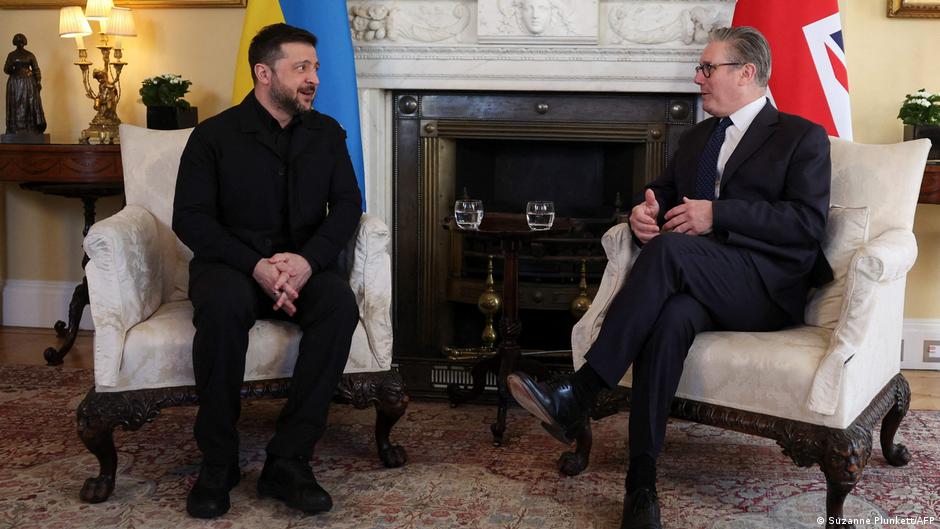
Ukraine says it can produce ~2,000 interceptor drones per day and offer half (~1,000/day) to allies; Kyiv has deployed >200 air‑defense specialists to the Middle East. The UK announced a UK‑Ukraine defense and industrial partnership including a £500,000 (~€579k / $667.5k) contribution to an AI 'center of excellence' in Kyiv to enhance battlefield tech. PM Starmer urged continued focus on Ukraine despite the US‑Israeli conflict with Iran, and NATO engagement (Mark Rutte) underlines allied coordination on defense and energy security.
Rapid, decentralized drone production in a conflict-exposed supplier state changes where value accrues: the scarce inputs (EO/IR sensors, guidance IMUs, RF datalinks, servo motors, specialized batteries) become the choke points, not final airframes. Expect meaningful inventory tightness for those components within 3–9 months, boosting margins for niche suppliers and contract manufacturers while squeezing lead times for larger platform programs that rely on the same supply base.
The UK’s signaling around a defense/AI partnership is small in cash but large in optionality — it lowers political friction for Western firms to move R&D and production relationships into new geographies and accelerates adoption of AI-enabled targeting, logistics and ISR workflows. That shifts procurement toward software/cloud and compute-heavy vendors (and their cloud partners) over legacy hardware integrators over a 12–36 month horizon, with the attendant needs for secure sovereign compute and cyber resilience.
Geopolitical focus risk is the wildcard: diversion of Western attention or materiel to another front would widen capability gaps fast, creating stop-start procurement cycles and sudden demand spikes for munitions and air-defense systems. Conversely, if Ukrainian industrialization of attritable systems succeeds, expect structural commoditization of small strike/ISR kits that compresses aftermarket revenue for classic prime contractors — reversal triggers include major battlefield setbacks, rapid diplomatic de-escalation, or severe supply-chain cyberattacks that degrade production for months.
AI-powered research, real-time alerts, and portfolio analytics for institutional investors.
Request DemoOverall Sentiment
mildly positive
Sentiment Score
0.18
