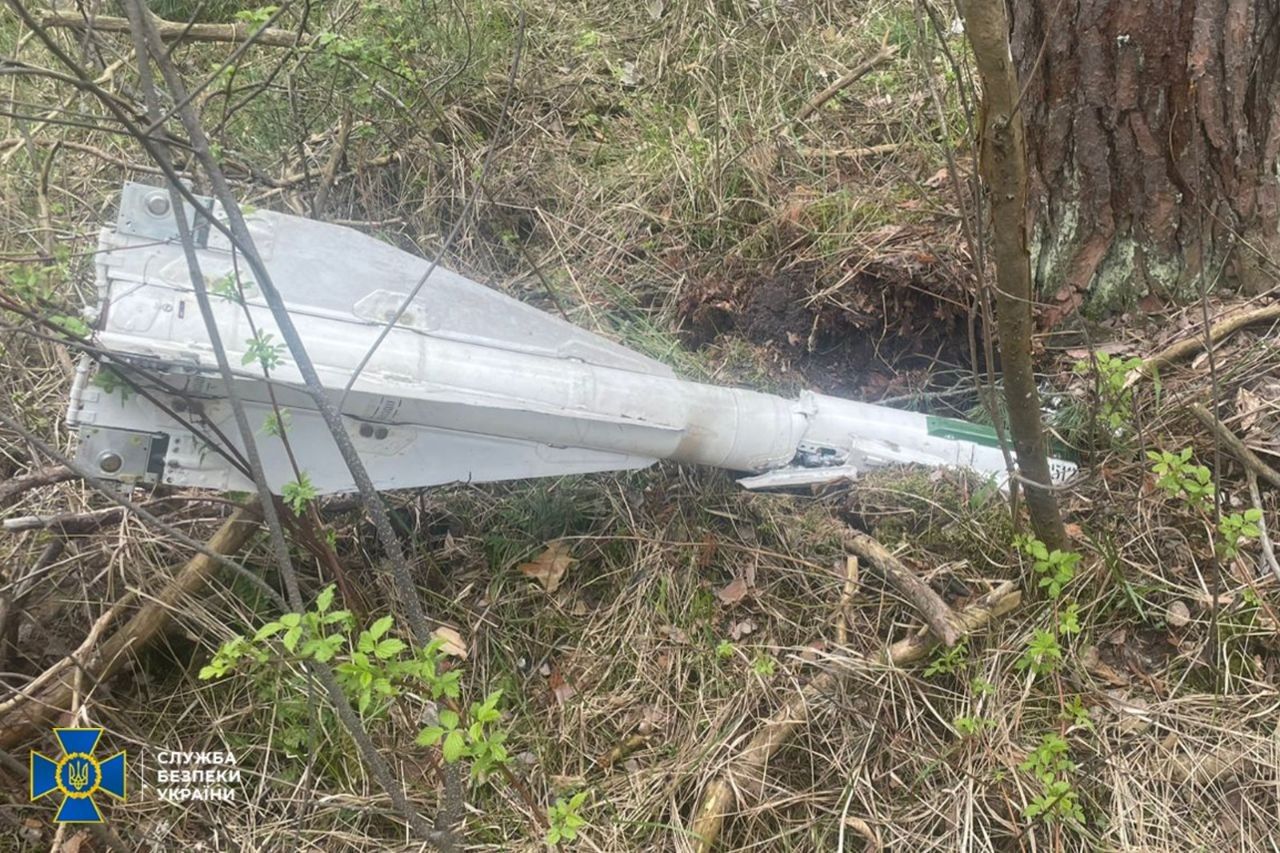
Russia was accused of arming missile warheads with depleted uranium, while NATO warned of "devastating" consequences if nuclear weapons are used against Ukraine amid ongoing joint Russia-Belarus nuclear drills. Lithuania issued its first air alert over a suspected drone from Belarus, and Ukraine said Russian losses since the start of 2026 exceed 141,500 personnel, including more than 83,000 killed. Ukraine also confirmed another drone strike on the Lukoil-Nizhegorodorgsintez refinery in Nizhny Novgorod, the second hit in a week, alongside attacks on other Russian military and industrial targets.
This is a classic escalation-without-escalation event set: the market should not price a near-term kinetic spillover into NATO territory as a base case, but it should assign a higher tail probability to miscalculation and inadvertent escalation. The most material second-order effect is not the headline military action itself; it is the erosion of perceived containment, which tends to lift defense budgets, harden air-defense procurement timelines, and widen the valuation gap between Western primes with exposed Europe demand and Russian/Belarus-linked industrial assets facing sanctions and operational disruption.
The drone-on-refinery cadence matters more for energy than the nuclear rhetoric. Repeated hits on large refining nodes can force temporary product shortfalls even if crude production is intact, which is bullish for refined-product cracks in Europe and selectively supportive for independent refiners with Atlantic Basin exposure. Over days to weeks, the cleaner trade is not “long oil” per se, but long diesel/jet exposure versus crude, because the bottleneck is logistics and conversion capacity rather than upstream supply.
The contrarian setup is that markets may be overfocusing on headline geopolitical risk while underweighting the operational attrition angle: if Russia is forced to divert air defense, repair capacity, and logistics to domestic infrastructure protection, the marginal cost of sustaining the war rises faster than the oil price premium. That argues for viewing this as incrementally bearish for Russian war-fighting capacity and only secondarily bullish for Brent. The key reversal catalyst is any sign of successful air-defense adaptation or a diplomatic channel that reduces strike intensity, which would compress the risk premium faster than the physical damage to supply is repaired.
AI-powered research, real-time alerts, and portfolio analytics for institutional investors.
Request DemoOverall Sentiment
strongly negative
Sentiment Score
-0.65
