
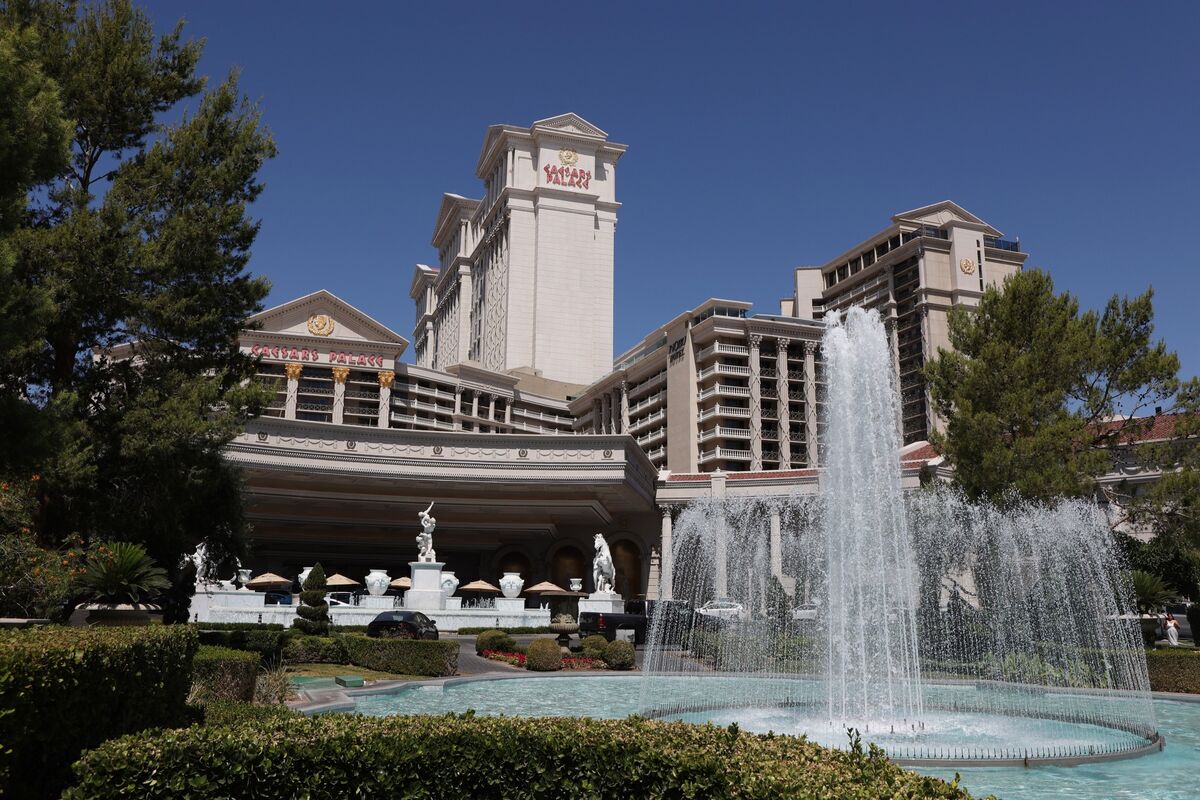
Caesars Entertainment agreed to be acquired by Fertitta Entertainment in an all-cash deal valued at about $5.7 billion, or $31 per share. The offer represents a 49% premium to Caesars' Feb. 25 stock price, and the agreement includes a go-shop period through July 11 for competing bids. The transaction is a meaningful positive for Caesars shareholders and a potentially sector-relevant gaming M&A event.
This is less a clean “takeout premium” story than a control-rights reset. The bid price likely anchors the equity, but the real spread is between closing certainty and the value of optionality embedded in a go-shop: if another sponsor surfaces, the market will re-rate on financing credibility and regulatory friction, not just price. That makes the near-term winner the shareholder base with a deadline-driven catalyst; the loser is anyone underwriting a fast arb without appreciating how easily a higher bid can be crowded out by tighter financing conditions.
Second-order, the deal pressures adjacent gaming assets by implying private-market capital still values regional casino cash flows above public multiples, especially where real estate separation or deleveraging can be engineered post-close. Competitors with weaker balance sheets may see their cost of capital move against them if the market extrapolates a “take-private premium” to the sector. For the sponsor, the risk is not just purchase price but post-close refinancing in a higher-rate environment, where a few turns of EBITDA compression can meaningfully alter equity returns over 12–24 months.
The key reversal risk is not operational but process-driven: if the go-shop fails to attract a credible topping bid, the stock likely drifts toward a narrower spread while downside becomes tied to deal break risk rather than fundamentals. Conversely, a competing bid would force the market to price in strategic scarcity value across gaming assets, especially those with cleaner balance sheets or land-backed optionality. The market may be underestimating how much this deal validates asset monetization rather than business reacceleration.
AI-powered research, real-time alerts, and portfolio analytics for institutional investors.
Overall Sentiment
moderately positive
Sentiment Score
0.68
Ticker Sentiment
