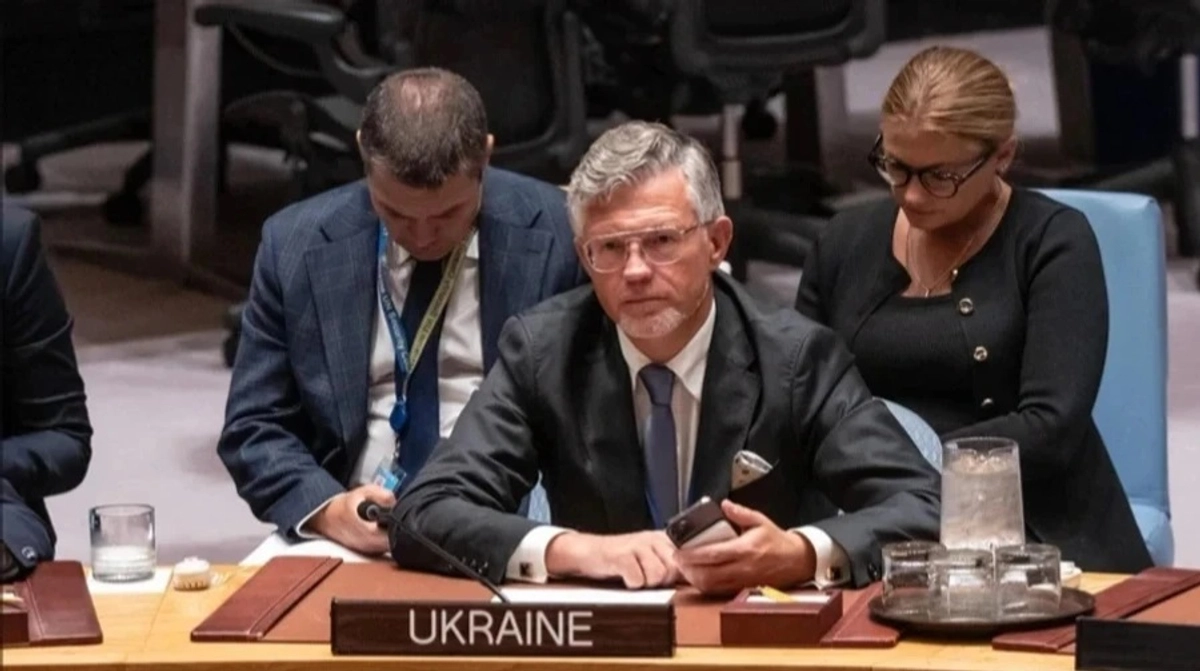
Ukraine’s UN envoy called for at least a tenfold increase in air defence aid after Russia’s large-scale attacks on Kyiv, alongside tougher sanctions and an immediate unconditional ceasefire. He said the recent attack on Kyiv cost about US$360 million and highlighted continued indiscriminate strikes on civilian targets. The remarks underscore escalating geopolitical risk and could support defense-related spending while weighing on broader risk sentiment.
The market implication is less about the headline intensity of the attacks and more about the likely repricing of European security premia. A credible push for a 10x air-defense lift points to a multi-quarter procurement cycle, which is structurally supportive for layered air-defense, radar, interceptor missile, EW, and command-and-control primes rather than broad defense baskets. The second-order beneficiary set is actually in the supply chain: seekers, propellants, guidance chips, and launch-platform integrators may see faster order visibility than platform OEMs because inventory buffers across NATO are already thin.
The bigger medium-term risk is depletion economics. Air-defense magazines are the bottleneck: every sustained drone/missile wave forces defenders into an unfavorable cost exchange ratio, so even if headline aid rises, the key variable is replenishment lead time, not pledged dollars. That means the first tradeable move is likely a read-through to European defense budgets and U.S. munitions backlog expansion over the next 1-3 quarters, while the longer-term risk is escalation fatigue or political delays that keep delivery schedules below the pace of consumption.
For sanctions, the incremental signal is that enforcement pressure may shift from symbolic to operational—energy logistics, shadow-fleet financing, and dual-use export controls. That is bearish for firms with indirect Russia/CIS exposure and for select commodity shippers/insurers, but the more durable effect is on non-U.S. suppliers caught in compliance drag. The market is likely underpricing that tighter sanctions enforcement can be deflationary for Russian war capacity but inflationary for defense procurement lead times and European fiscal outlays.
The contrarian view is that the move may be over-owned in obvious defense names already, while the better risk/reward sits in munitions capacity and non-lethal air-defense enablers. If diplomacy produces even a temporary de-escalation, the first names to mean-revert will be the crowded headline defense multiples, but backlog-heavy ammunition and sensor suppliers should retain a higher floor because restocking lasts well beyond any ceasefire headline.
AI-powered research, real-time alerts, and portfolio analytics for institutional investors.
Request DemoOverall Sentiment
strongly negative
Sentiment Score
-0.72
