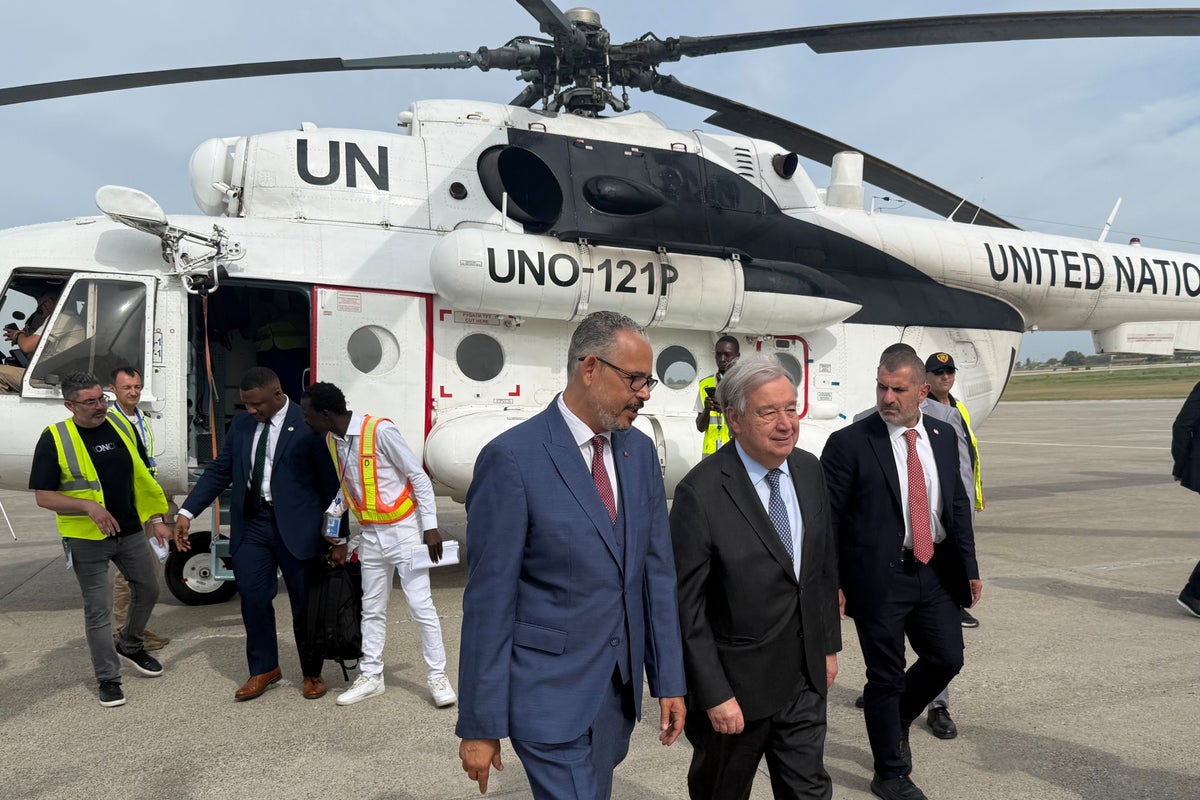
Haiti remains in a severe security and humanitarian crisis, with 2,300 people killed, 100 kidnapped, and more than 1.5 million displaced this year, including 300,000 in Port-au-Prince. The UN-approved Gang Suppression Force is expected to begin operations in coming weeks with fewer than 1,000 troops from Jamaica, Chad, El Salvador, and Guatemala, replacing the underfunded Kenyan-led mission. The visit by UN chief António Guterres highlights the urgency of restoring security ahead of elections in a country without a president since Jovenel Moïse's 2021 assassination.
This is a classic “security first, economics second” setup, and markets should care less about the force itself than about whether it can credibly lower the cost of moving goods through Port-au-Prince. If the new deployment even marginally improves corridor security, the first-order beneficiaries are not local equities but regional logistics, telecom, and aid-linked contractors that can re-establish service in a country where informal taxes and route risk have become the binding constraint. The larger second-order effect is on sovereign and quasi-sovereign risk across the Caribbean: Haiti is a stress test for how quickly fragility can spill into migration, insurance pricing, and neighboring border/security budgets.
The base case remains that tactical gains will be narrow and volatile over the next 4-8 weeks because a sub-1,000 headcount force cannot simultaneously hold territory, escort supply lines, and suppress an urban insurgency. That means any initial compression in risk premia is likely to fade unless the government can translate security optics into payroll stability, customs collection, and reopening of the capital’s commercial arteries within a quarter. The key catalyst is not the first patrol but whether the mission can keep schools, hospitals, and fuel distribution functioning without a new displacement wave.
The contrarian view is that the headline is already priced as a modest de-escalation signal, while the downside tail is still underappreciated: a high-visibility foreign force creates a target-rich environment, and one failed convoy or mass-casualty incident would sharply worsen political risk and delay elections further. That would reinforce dollarization, deepen reliance on humanitarian imports, and pressure regional security/aid budgets for months rather than weeks. In other words, near-term optimism is vulnerable to a “low force density, high expectation” mismatch.
AI-powered research, real-time alerts, and portfolio analytics for institutional investors.
Request DemoOverall Sentiment
strongly negative
Sentiment Score
-0.80
