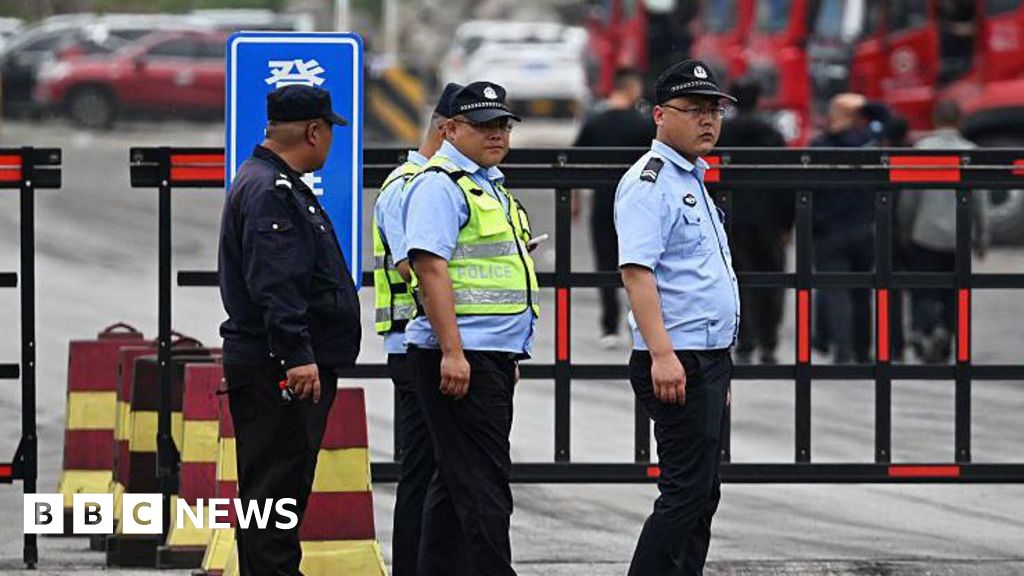
At least 82 people were killed and more than 120 injured in an explosion at the Liushenyu coal mine in Shanxi, China's deadliest mining disaster in more than 15 years. Authorities said Tongzhou Group committed "serious illegal violations" and ordered all four of its Shanxi coal mines to halt operations while a rigorous investigation proceeds. The incident is reigniting scrutiny of mine safety enforcement and could pressure the company and the broader Chinese coal sector.
This is less a one-off human tragedy than a regime test for China’s coal governance stack. The market implication is not higher coal prices immediately, but a higher probability of margin compression for smaller private miners as enforcement moves from sporadic penalties to license suspensions, surprise inspections, and tighter worker-tracking compliance. The second-order beneficiary is large, state-aligned producers with cleaner compliance records and better access to local regulators; they can absorb fixed compliance costs and capture displaced volume if output caps bite.
The key near-term catalyst is whether Beijing uses the incident to reassert control over local safety enforcement in Shanxi over the next 1-3 months. If so, expect temporary output disruptions, more audits, and a widening spread between compliant national champions and politically weaker private operators. That also raises the odds of short-lived spikes in inland thermal coal logistics and inspection-service demand, while equipment vendors tied to mine safety systems could see a modest but real order lift over 2-4 quarters.
The contrarian read is that the selloff in private coal names may be overdone if authorities stop at a symbolic crackdown and avoid broader production cuts during a softening growth backdrop. Beijing still prioritizes energy security, so the policy ceiling is usually enforcement theater, not sustained supply destruction. The real tail risk is legal/liability contagion: if investigators uncover systematic falsification of worker counts and maps, lenders and insurers to similar operators could reprice risk across the segment within weeks.
For investors, this is a relative-value story, not a directional coal beta trade. The best setup is long high-quality, centrally backed miners versus short smaller regional/private operators, with the trade horizon 1-3 months into inspection season. If enforcement escalates, the pair should work even if coal prices are flat, because the spread is driven by regulatory survivorship rather than commodity fundamentals.
AI-powered research, real-time alerts, and portfolio analytics for institutional investors.
Request DemoOverall Sentiment
strongly negative
Sentiment Score
-0.82
Ticker Sentiment
