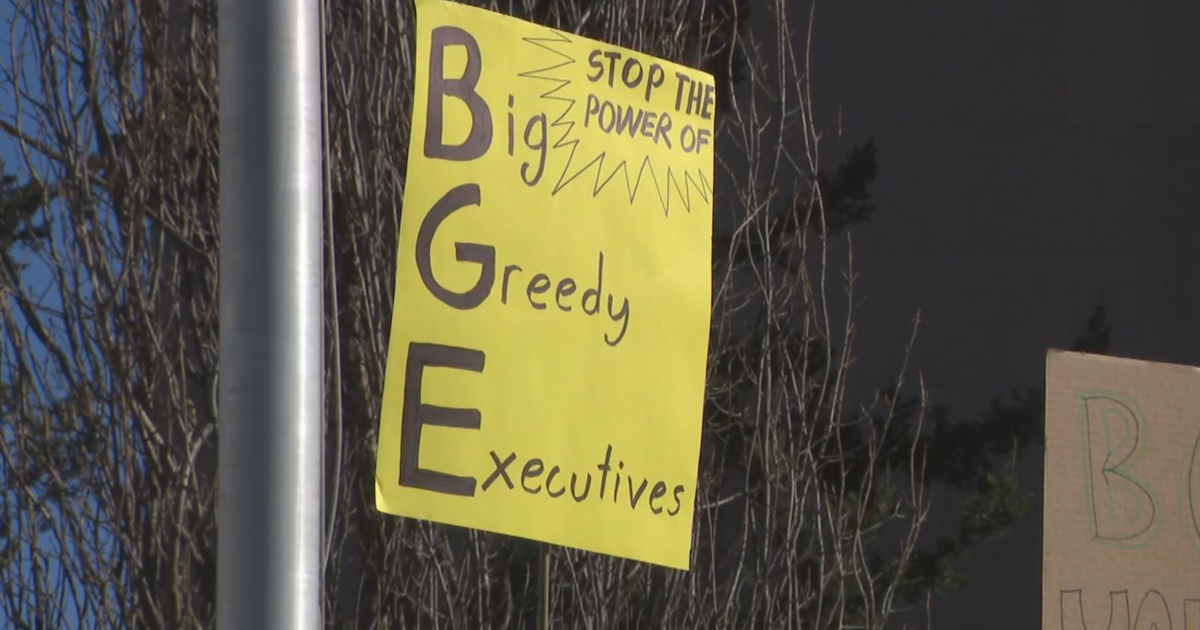
Baltimore residents, energy-justice organizers and elected officials rallied against Baltimore Gas and Electric over steep utility bills and shutoff notices while pushing for a publicly controlled utility as an alternative to what protesters call a BGE monopoly. Advocacy groups cite delivery-rate increases of 246% for gas and 92% for electricity since 2010, and plan to lobby state lawmakers in Annapolis for public-power legislation, raising regulatory and political risk for BGE. BGE responded that higher energy costs are driven by factors beyond its control and emphasized customer assistance and efficiency programs.
Market structure: Local political pressure for “public power” in Baltimore increases regulatory risk for the incumbent utility owner (BGE, part of larger regulated utility groups) and shifts upside to distributed generation, municipal-scale projects, and national renewables developers. If bills or ballot measures progress within 6–18 months, expect accelerated capex reallocation from centralized T&D to DERs and EE programs; potential revenue re-rate of 10–30% for monopoly owners over 1–3 years in worst-case municipalization scenarios.
Risk assessment: Tail risks include municipal acquisition of utility assets (low probability, high impact) that could force an equity value haircut and require muni financing — bond spreads for affected issuers could widen 50–150 bps. Near-term (0–3 months) impact is muted; primary catalysts are Annapolis legislation and PSC filings in the next 90–180 days; long-term (1–3 years) outcome depends on legal/comp payment frameworks and federal/state funding for buyouts.
Trade implications: Favor long exposure to large national renewables/DER leaders (NextEra NEE, Enphase ENPH) and energy-services companies able to deploy behind-the-meter solutions, while selectively hedging/shorting regional regulated incumbents (EXC, D, SO) that hold the Baltimore franchise. Use option structures (3–9 month put protection on incumbents; call spreads on DER names) to express views with controlled cost and allow for legislative outcomes to become binary catalysts.
Contrarian angles: Consensus sees this as purely political noise; missing is the funding pathway — large municipal buyouts require multi-hundred-million to billion-dollar muni debt or state support, which likely stretches timelines to 1–3 years, creating a multi-quarter window to front-run DER adoption. If momentum stalls, incumbents could rally 15–25% on relief; therefore size shorts and hedges conservatively and prefer option-defined risk.
AI-powered research, real-time alerts, and portfolio analytics for institutional investors.
Request DemoOverall Sentiment
moderately negative
Sentiment Score
-0.50
