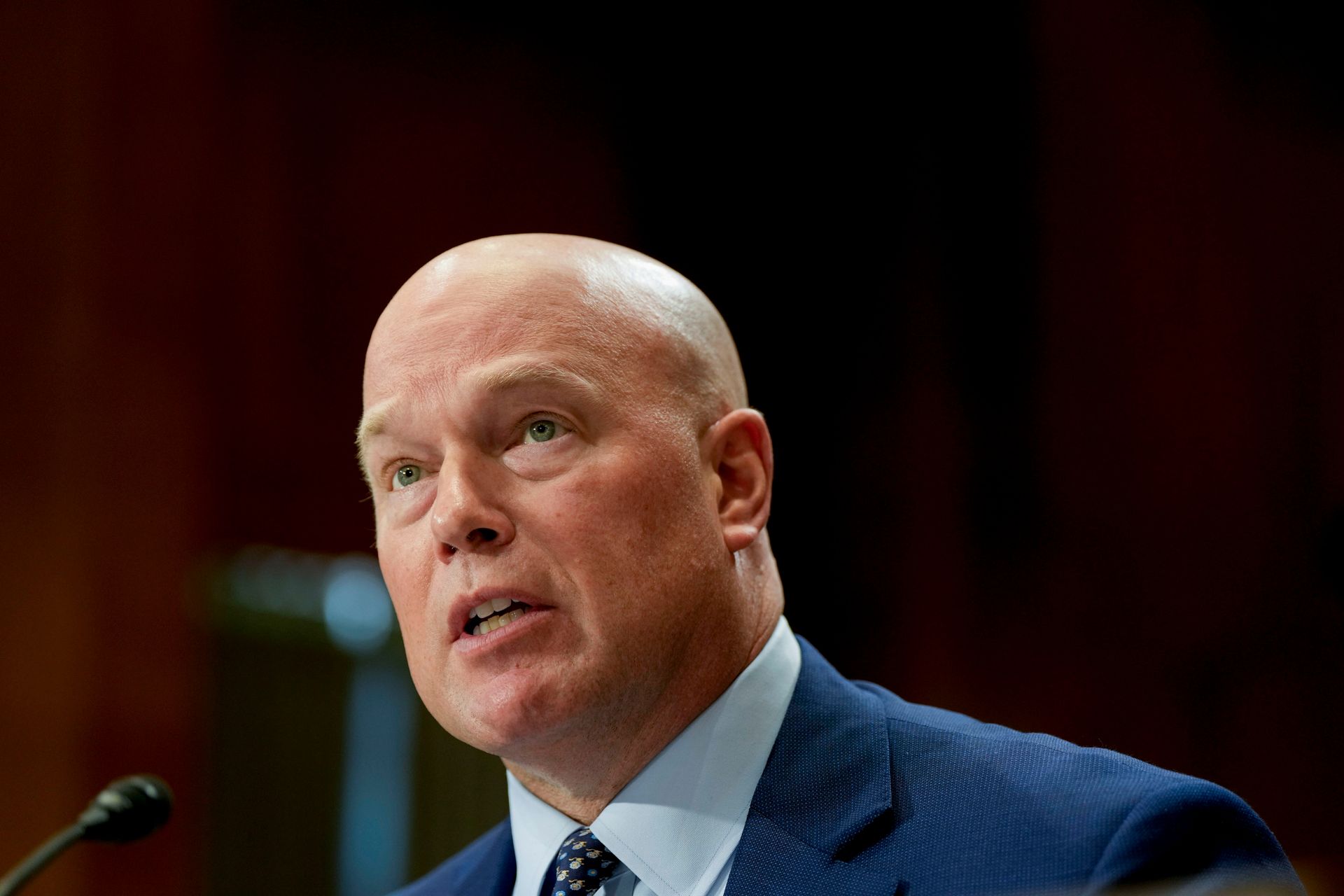
U.S. Ambassador Matthew Whitaker warned China of severe consequences, including potential 100% tariffs on its exports to the U.S., should Beijing continue to support Russia's war in Ukraine by purchasing its oil. This aligns with President Trump's proposed secondary sanctions aimed at curbing Russia's war funding, signaling a significant escalation of U.S. pressure on key Russian oil buyers like China, India, and Brazil. The strategy underscores growing geopolitical risk and potential disruptions to global trade and energy markets, given China's critical role as Russia's top crude oil buyer and supplier of dual-use goods.
The United States is signaling a significant escalation of its economic strategy against Russia, threatening to impose severe secondary sanctions on key trade partners who continue to purchase Russian oil. The proposed mechanism, a potential 100% tariff on a nation's exports to the U.S., specifically targets major economies like China, India, and Brazil. This policy directly aims to cripple Russia's war-funding capabilities by targeting its oil and gas income, which constitutes roughly one-third of its federal revenue. The situation creates a direct geopolitical conflict with China, which is not only Moscow's top crude oil buyer but is also reported to view a Russian defeat as strategically unacceptable. The implementation of such a tariff would create profound disruptions, squeezing Chinese exporters while simultaneously causing significant price increases for American consumers, thereby introducing substantial volatility into global trade and energy markets. The upcoming September meeting between the Russian and Chinese presidents marks a critical event for monitoring the future of this strategic alignment.
AI-powered research, real-time alerts, and portfolio analytics for institutional investors.
Overall Sentiment
strongly negative
Sentiment Score
-0.70
