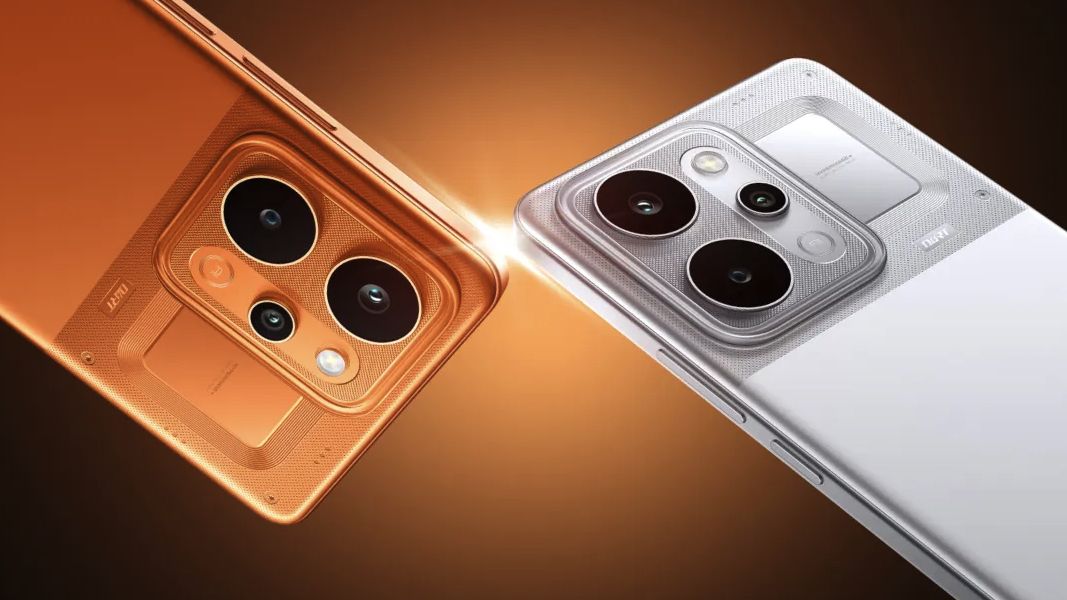
Realme will launch the P4 Power in India on January 29, featuring a 10,001mAh silicon‑anode battery that the company cites as delivering up to 185.7 hours of music, 72.3 hours of calls and multi‑day use while weighing 219g. The handset pairs 80W fast charging, 27W reverse charging, projected battery health above 80% for eight years, a MediaTek Dimensity 7400 Ultra chipset, a 50MP main camera and a 144Hz display with 6,500 nits peak brightness. The large‑capacity, higher‑energy‑density battery is a notable product differentiation that could shift consumer expectations for endurance, though the announcement is primarily product‑level and unlikely to have immediate material market impact absent pricing or broader global availability details.
Market structure: The Realme P4 Power validates commercial silicon‑anode adoption in smartphones, directly benefiting specialist battery innovators (Enovix ENVX) and capital‑goods suppliers (Applied Materials AMAT) while pressuring legacy battery/phone value chains that rely on heavier graphite cells. Expect pricing power for suppliers of high‑energy‑density anodes to rise; OEMs competing on battery life (Xiaomi 1810.HK, BBK/Realme) can gain share in price‑sensitive markets, potentially forcing margin compression for incumbents who must match capacity without the tech.
Risk assessment: Tail risks include safety recalls, supply bottlenecks for battery‑grade silicon powders, or IP/geopolitical export limits; a single major fire or regulatory ban could wipe out adopter premiums. Immediate effects (days–weeks) are sentiment and supplier order flow; short‑term (3–6 months) depends on shipment/pricing announcements; long‑term (12–36 months) is technology diffusion and cost convergence affecting margins across OEMs and materials suppliers.
Trade implications: Allocate exposure to battery‑IP and equipment makers, sized to idiosyncratic risk (small caps 1–2% positions, larger caps 2–4%), and use option structures to limit downside (9–12 month call spreads). Favor semicap/equipment (AMAT) and silicon‑anode plays (ENVX) and overweight mid‑tier SoC vendors that benefit from Realme wins (MediaTek 2454.TW) while underweight incumbent OEMs if they fail to respond within 6–12 months.
Contrarian angles: Consensus will either over‑hype handset wins or dismiss them as niche; the overlooked fact is battery life as a demand elastic feature in emerging markets—if Realme prices aggressively, adoption could be rapid. Historical parallels: 5G modem races—early technical leaders didn’t always win consumer economics; watch pricing, design‑wins, and multi‑year supply contracts before extrapolating growth.
AI-powered research, real-time alerts, and portfolio analytics for institutional investors.
Request DemoOverall Sentiment
mildly positive
Sentiment Score
0.30
