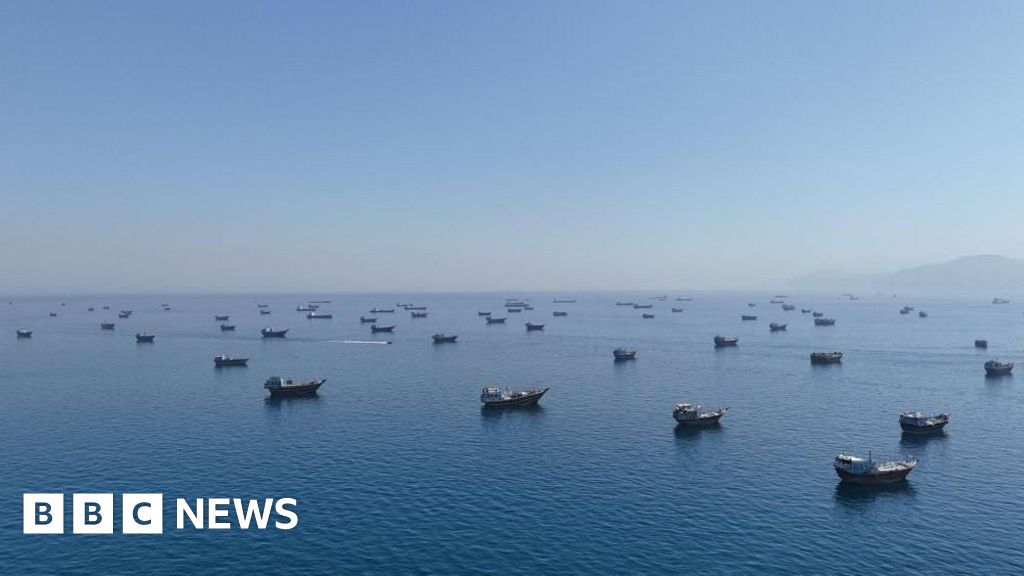
Iran said a deal with the US to end fighting is close and would reopen the Strait of Hormuz, with the US lifting its blockade on Iranian shipping and sanctions relief arriving in stages. The agreement reportedly includes a 60-day negotiation period on enriched uranium, while any economic benefits for Iran would be contingent on verified compliance. Because the Strait handles roughly 20% of global oil and LNG flows, a reopening would be highly material for energy and shipping markets.
The market’s first-order read is lower crude and cleaner LNG transit, but the second-order effect is a steep compression in geopolitical risk premia across the entire energy complex. The most immediate beneficiary is not just oil itself; it is global shipping, tanker insurance, Gulf aviation, and any industrial input that had been trading with an embedded disruption haircut. If the opening of the waterway is credible and durable, the risk premium on prompt barrels should fade faster than the physical market fundamentals, which can create a sharp mean-reversion trade in both crude and vol.
The bigger medium-term question is whether this is a supply normalization or merely a temporary de-risking. If sanctions relief is staged and conditional, the market may see episodic headline reversals over the next 2-8 weeks, especially if verification or proxy-funding terms stall. That argues for treating the current move as a tactical dislocation rather than a full regime shift; the left tail is a breakdown in compliance that snaps freight, insurance, and energy prices back higher very quickly.
A subtle winner is Europe and Asia ex-China: lower LNG disruption risk improves winter inventory confidence and reduces forced spot-buying, which should support margins for gas-intensive industrials and fertilizer names. Conversely, any U.S. shale names with weaker balance sheets may underperform because the market will start discounting a lower-for-longer geopolitical premium even if the physical balance remains tight. Defense beneficiaries are also at risk of giving back some of their event-driven outperformance if investors conclude this is a durable diplomatic channel rather than a pause.
The contrarian angle is that reopening the strait may be less bullish for global growth than assumed if it coincides with a broader sanctions unwind that reduces U.S. leverage and introduces uncertainty around enforcement. In other words, the headline is deflationary for energy, but potentially destabilizing for policy credibility; that makes the cleanest expression a relative-value trade rather than an outright macro bet.
AI-powered research, real-time alerts, and portfolio analytics for institutional investors.
Request DemoOverall Sentiment
neutral
Sentiment Score
0.15
