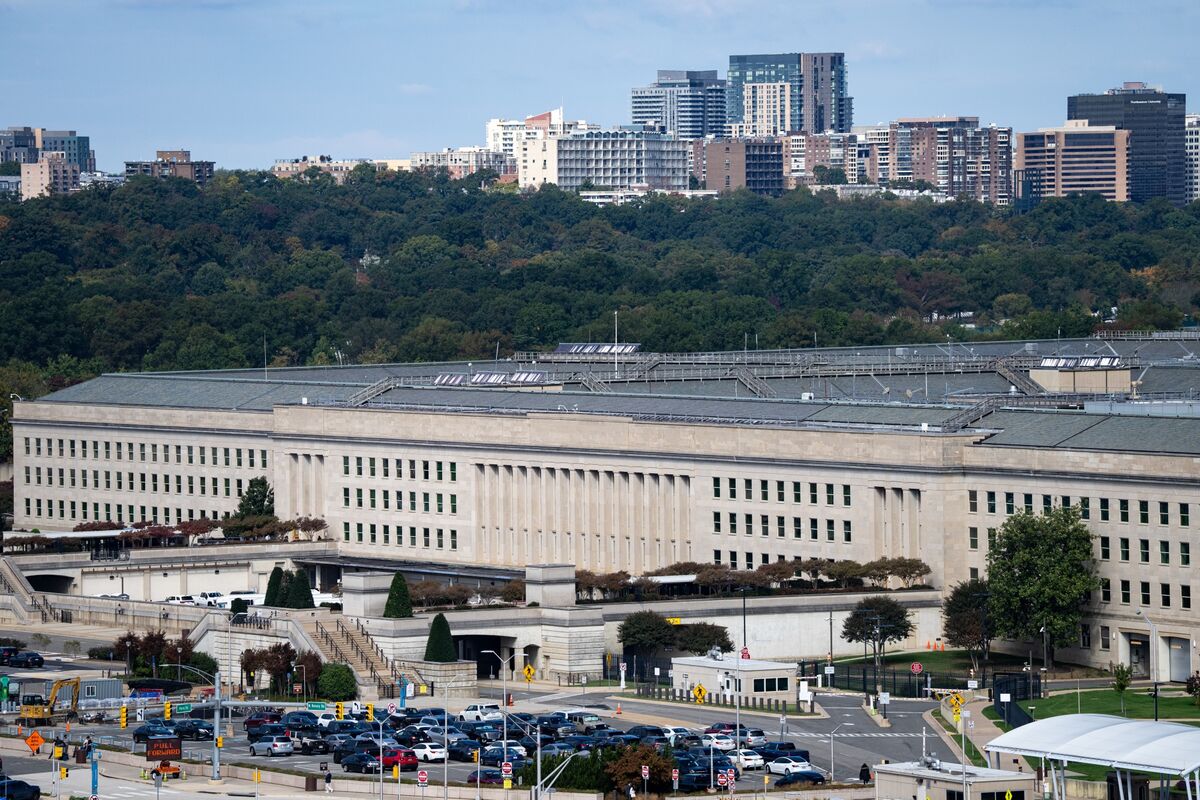
The Pentagon has opened an inquiry into Democratic Senator and former Navy officer Mark Kelly after President Trump urged punishment for lawmakers who advised intelligence and military personnel to refuse unlawful orders. The Defense Department said Kelly faces “serious allegations of misconduct” and could be recalled to active duty for court-martial or subject to administrative measures. The development raises domestic political and civil–military tensions but carries limited direct market implications beyond potential sector- or name-specific political risk.
Market structure: Political friction raises idiosyncratic, headline-driven volatility primarily for defense contractors with heavy Navy exposure (shipbuilders, specialty electronics). Large, diversified primes (LMT, RTX, NOC) retain pricing power and stable backlog; small- and mid-cap suppliers face higher bid-ask spreads and potential order-timing risk over the next 30–90 days. Across assets, expect a mild flight-to-quality: 2s10s slope could flatten by 5–15bp intraday on escalatory headlines, USD may firm modestly and defense-equity IVs could spike 20–50% vs 60-day averages.
Risk assessment: Tail risks are low-probability but high-impact — a formal recall/containment that drags into prolonged hearings could disrupt Navy procurement cadence and contractor revenue recognition for specific programs (material for names with >30% Navy revenue). Immediate (0–7 days) risk is headline volatility; short-term (30–90 days) risk centers on DoD administrative actions and committee hearings; long-term structural budget risk is unlikely absent bipartisan policy shifts. Hidden dependency: small primes reliant on single-program awards (revenue concentration >25%) are vulnerable to second-order delays if Navy leadership attention diverts procurement staff.
Trade implications: Favor size-conservative, event-driven positions: bias long large-cap defense primes and short concentrated Navy suppliers for 3–6 months; use options to capture headline-volatility rather than increasing delta exposure. Entry triggers: open on IV compression >10% below 60-day mean or within 48 hours of a substantive DoD announcement; exits at 30–90 days, or if predefined stop-loss/target thresholds are hit. Rotate capital back to cyclicals only after IV normalizes for 30 trading days.
Contrarian angles: The consensus that this is ‘‘purely political’’ underprices idiosyncratic operational risk for suppliers with single-program exposure — a 10–20% kneejerk move in small caps is plausible and tradable. Historical parallels (administrative probes in 2010–2015) show large primes outperformed while midsized names lagged by 8–20% over 3 months. Unintended consequence: investors buying defense broadly may be overexposed to concentrated program risk; prefer liquidity and diversification over headline-alpha chase.
AI-powered research, real-time alerts, and portfolio analytics for institutional investors.
Request DemoOverall Sentiment
neutral
Sentiment Score
0.00
