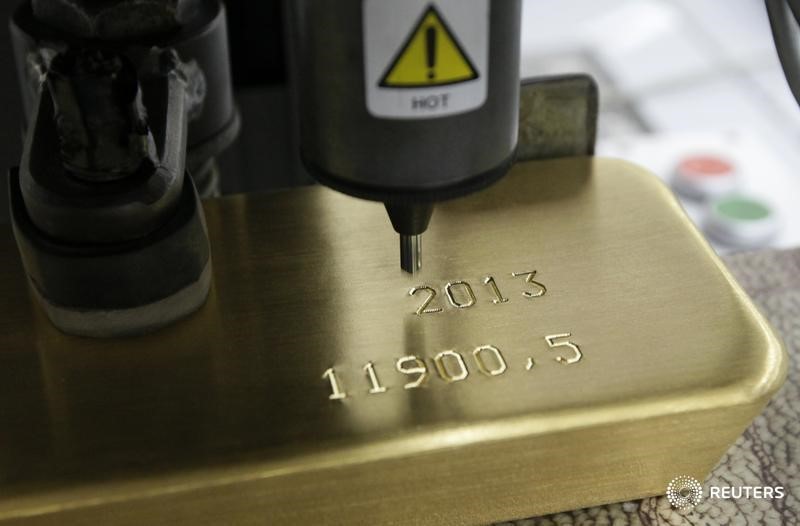
Gold fell 0.8% to $4,055.50/oz and gold futures slipped 0.7% to $4,069.25 after renewed inflation and rate-hike concerns resurfaced amid U.S.-Iran strikes and a fragile ceasefire. Spot silver dropped 1.3% to $58.4435/oz and platinum fell 1.1% to $1,622.34/oz, while a strong dollar and elevated Treasury yields continued to pressure bullion. Markets are pricing in over a 30% chance of a Fed rate hike by end-2026, keeping precious metals under defensive pressure.
The bigger signal here is not gold weakness itself, but the regime shift in the macro playbook: higher real yields and a firmer dollar are reasserting themselves as the dominant cross-asset driver. That tends to compress the valuation multiple of long-duration assets broadly, but it is most toxic for assets whose thesis depends on liquidity persistence rather than near-term cash generation. In practice, that means the market is likely to keep rewarding balance-sheet strength and pricing power while penalizing anything that trades as a duration surrogate.
For equities, the implication is more nuanced than a simple risk-off. If inflation persistence keeps the Fed from easing, mega-cap AI and semiconductor winners can still outperform because their earnings revisions are idiosyncratically strong enough to absorb a higher discount rate. But the second-order effect is that the rally narrows: semis with cyclical exposure and hardware capex leverage can continue to work, while unprofitable AI software, fintech, and speculative growth likely lag as funding conditions tighten and multiple expansion stalls.
The commodity complex may be underestimating how quickly a fading geopolitical premium can unwind positioning. Gold’s drawdown suggests speculative longs are crowded, and that creates room for a sharper air pocket if inflation data reaccelerates or the dollar makes another leg higher. Conversely, any dovish surprise from the Fed or a meaningful drop in front-end real yields would likely trigger an abrupt short-covering rally, so the trade is best viewed as tactical rather than structural over the next 2-6 weeks.
The contrarian point: the market may be too focused on headline geopolitics and not enough on the cumulative effect of tighter financial conditions. If rates stay elevated into late summer, the more durable losers may be rate-sensitive defensives and small caps rather than gold alone. That argues for positioning around yield sensitivity, not just around commodity direction.
AI-powered research, real-time alerts, and portfolio analytics for institutional investors.
Request DemoOverall Sentiment
mildly negative
Sentiment Score
-0.20
