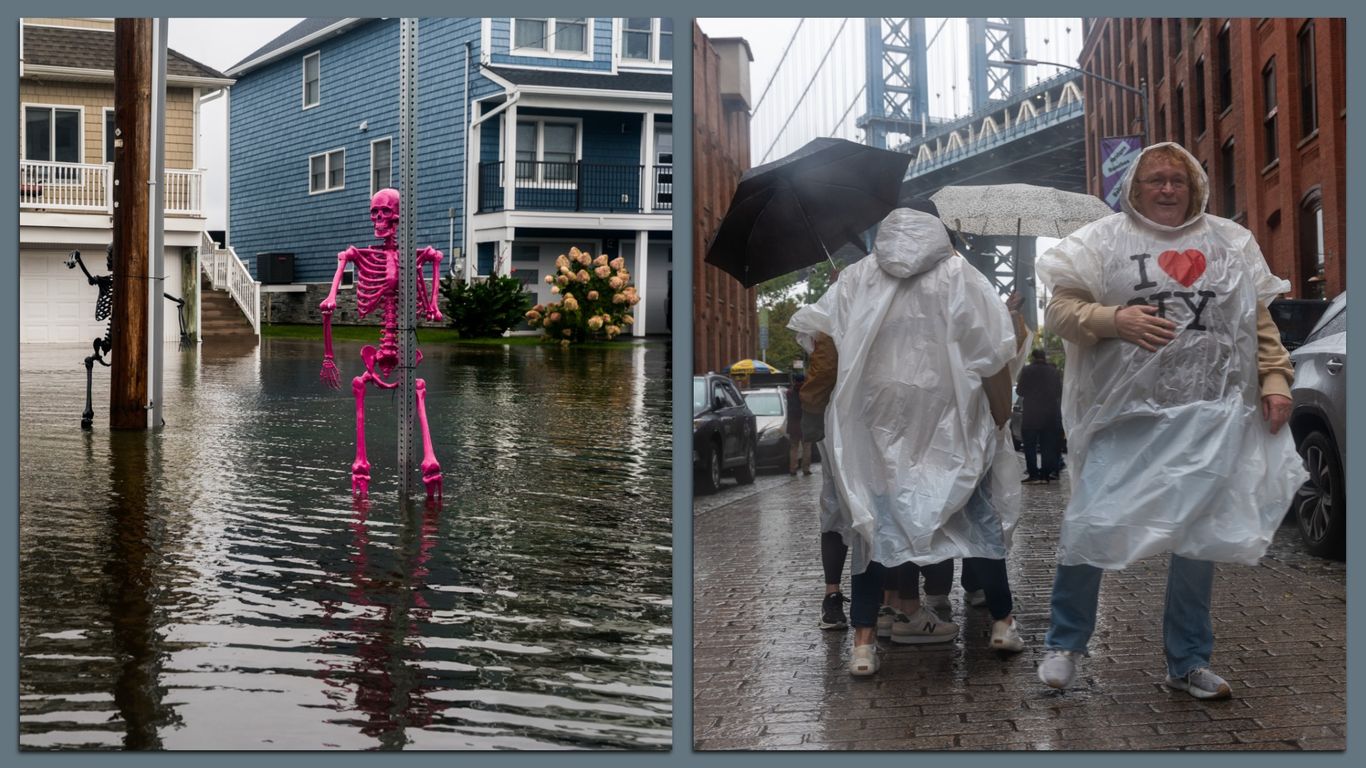
A powerful Nor'easter is causing widespread flooding and disruptions across the U.S. East Coast, including New Jersey and New York City, prompting states of emergency. Separately, western Alaska is dealing with the aftermath of Typhoon Halong, which caused flooding and injuries. These events highlight a broader trend of increasing extreme precipitation, a critical consideration for regional economic resilience and potential impacts on sectors like insurance.
A powerful Nor'easter is currently impacting the U.S. East Coast, causing widespread flooding in New Jersey and New York City, leading to states of emergency. Concurrently, western Alaska is grappling with the severe aftermath of Typhoon Halong, which resulted in flooding, multiple injuries, and ongoing search and rescue operations for 51 people and two dogs. These events underscore immediate regional disruptions and safety concerns.
The occurrence of these intense weather events aligns with the Center for Climate and Energy Solutions' observation of increased frequency and intensity of extreme precipitation in the U.S. and globally since the 1950s. This trend, classified under "Natural Disasters & Weather" and "ESG & Climate Policy" themes, suggests growing physical climate risks. The overall sentiment is moderately negative (-0.6), indicating investor concern regarding the direct and indirect economic consequences.
While no specific tickers are mentioned, the market impact score of 0.4 suggests a measurable, albeit not severe, influence on relevant sectors. The summary highlights potential implications for "regional economic resilience and potential impacts on sectors like insurance." This points to increased operational costs, supply chain disruptions, and higher claims for property and casualty insurers.
AI-powered research, real-time alerts, and portfolio analytics for institutional investors.
Request DemoOverall Sentiment
moderately negative
Sentiment Score
-0.60
