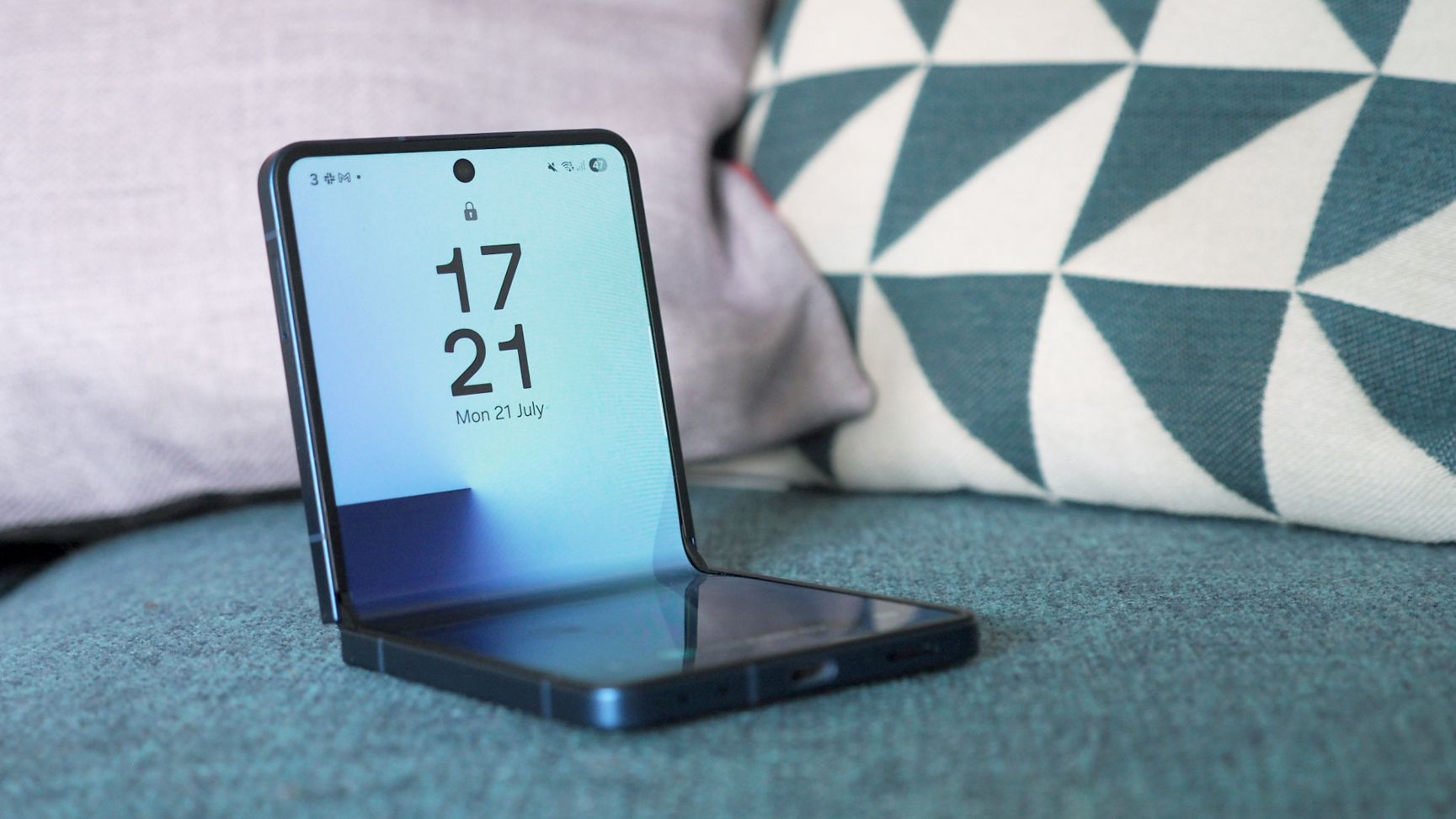
Samsung Galaxy Z Flip 8 is rumored to retain a 25W charging limit and a 4,300 mAh battery, suggesting little improvement versus prior models. The leak points to a slower charging experience than mainstream flagships and could make some buyers wait for the Flip 9 instead. The article frames this as a modest headwind for the Flip 8 rather than a major demand shock.
The market is likely underappreciating how much of a foldable’s value proposition is psychological rather than absolute spec-sheet superiority. If Samsung preserves a subscale battery/charging profile while competitors continue to compress charging times, the handset risks becoming a “showpiece purchase” rather than a daily-driver default, which caps unit elasticity outside of the early-adopter cohort. That matters because foldables are still in the conversion phase: any friction that reinforces replacement anxiety can extend upgrade cycles by 6-12 months and slow category penetration.
The second-order winner is not necessarily a rival flip phone so much as the broader premium Android ecosystem. If consumers interpret the device as premium-but-compromised, Samsung may see marginal share leak toward large-screen slab flagships and Apple’s ecosystem, where battery life is a more salient, less disputed purchase criterion. Component suppliers tied to battery chemistry, thermal management, and high-watt charging silicon could also see a delayed benefit if Samsung remains conservative, while hinge/display suppliers stay relatively insulated because the foldable screen remains the unique selling point.
The contrarian point: this is not automatically bearish for Samsung’s handset margins. A constrained battery spec can reduce BOM risk, certification complexity, and thermal failure rates, which lowers warranty drag and preserves gross margin in a category where returns can be expensive. If the market has already priced in “good enough” battery performance, the selloff risk is limited; the more meaningful downside is if reviewers frame the device as a compromise relative to price, which can compress launch momentum over the first 4-8 weeks.
From an event-risk perspective, the catalyst window is short-term around launch and review embargoes, but the real fundamental read-through spans the next 2-3 product cycles. If Samsung can offset the battery narrative with a materially better crease, weight, or durability story, the issue may fade; if not, it becomes a structural ceiling on foldable adoption and keeps the category niche longer than bulls expect.
AI-powered research, real-time alerts, and portfolio analytics for institutional investors.
Request DemoOverall Sentiment
mildly negative
Sentiment Score
-0.25
