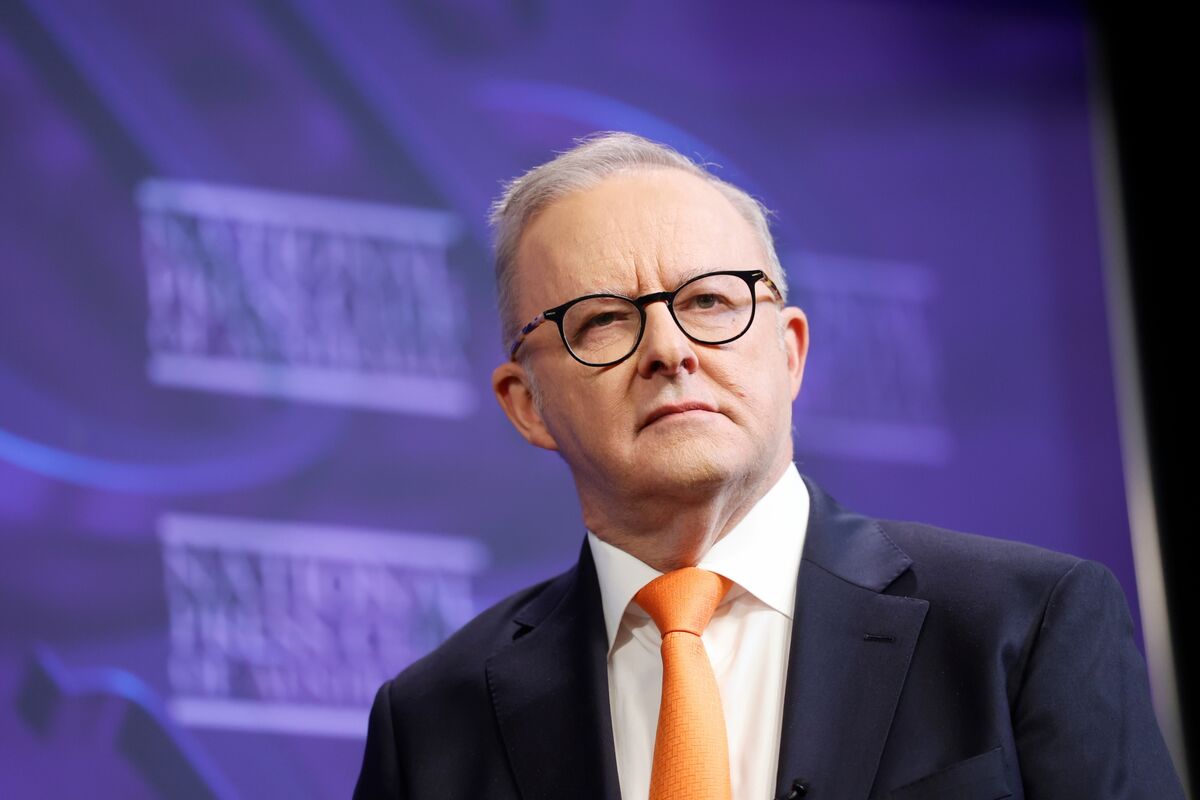
Australian Prime Minister Anthony Albanese's scheduled meeting with Donald Trump was canceled after Trump decided to leave the G-7 summit early to address the conflict between Israel and Iran. Albanese had planned to discuss trade and the Aukus accord with Trump at the meeting.
The cancellation of the scheduled meeting between Australian Prime Minister Anthony Albanese and Donald Trump, attributed to Trump's early departure from the G-7 summit to focus on the Israel-Iran conflict, has resulted in the postponement of discussions on significant bilateral matters, specifically trade and the Aukus security accord. This event, while assessed with a neutral sentiment and a low market impact score of 0.15, underscores the prevailing influence of acute geopolitical crises on international diplomatic schedules. It highlights how urgent security concerns, such as the cited Israel-Iran conflict, can take precedence over planned economic and strategic dialogues, thereby introducing potential delays or uncertainties in progressing key international agreements.
AI-powered research, real-time alerts, and portfolio analytics for institutional investors.
Request DemoOverall Sentiment
neutral
Sentiment Score
0.00
