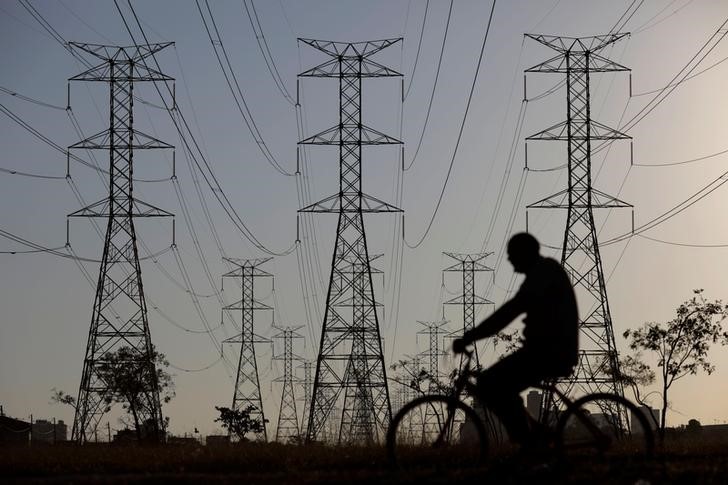
Iren will ускорate €515 million of investments in Turin’s electricity grid through 2030 after recent heat waves drove a 30% increase in power consumption and strained services. The plan targets medium-voltage lines, grid resilience, and fault management improvements. The news is modestly positive for infrastructure execution, though labor unions also criticized staff shortages and underinvestment.
This is less a single-company capex story than a signal that climate-driven load volatility is turning local grids into regulated growth assets. The second-order beneficiary is not just the utility operator but the broader European equipment stack: medium-voltage gear, switchgear, transformers, fault-detection software, and contractors with municipal grid exposure should see a multi-year order tailwind as resilience spending becomes harder to defer. The key market implication is that weather normalization no longer fully reverses the need for spend; once grid operators experience service disruptions and political scrutiny, capex tends to become quasi-mandated.
The earnings read-through for IREN is mixed in the near term: higher regulated investment should support the asset base over time, but execution risk rises if labor shortages and permitting delays persist. In the next 3-12 months, the market may focus on working-capital drag, higher financing needs, and whether incremental capex earns allowed returns fast enough to offset cost inflation. That creates a potential mismatch where headline-positive infrastructure news can still pressure free cash flow and leverage optics before the regulatory revenue catch-up arrives.
The contrarian angle is that the trade may be underestimating the persistence of extreme-weather capex across Europe. If heat waves become a recurring summer feature, this is not a one-off repair cycle but the start of a repricing in utilities’ stranded-asset risk: resilient grids become the new moat, while underinvested peers face higher outage risk, political backlash, and potentially punitive regulatory outcomes. For the broader market, this supports a barbell between beneficiaries of grid hardening and exposed utilities whose balance sheets cannot absorb repeated weather shocks.
On sentiment, the article is modestly constructive for infrastructure names but not enough to justify chasing the utility equity outright without confirmation on regulatory recovery and project execution. The more attractive expression is via suppliers and enablers with cleaner pass-through economics and less labor sensitivity than the utility owner itself.
AI-powered research, real-time alerts, and portfolio analytics for institutional investors.
Request DemoOverall Sentiment
mildly positive
Sentiment Score
0.15
Ticker Sentiment
