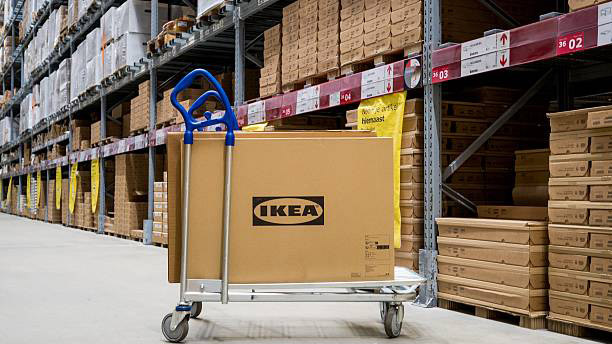
Ingka Group CEO Jesper Brodin announced that IKEA has successfully reduced prices, a notable achievement given the prevailing market volatility from inflation and trade measures. This development, shared on Bloomberg, highlights the largest IKEA franchisee's ability to navigate a challenging economic environment.
Ingka Group, the largest IKEA franchisee, has demonstrated notable operational resilience by successfully lowering prices amidst significant market volatility driven by inflation and trade measures. This counter-cyclical pricing strategy, confirmed by CEO Jesper Brodin, signals a robust control over its supply chain and cost structure at a time when many competitors are forced to pass on higher costs to consumers. The ability to reduce prices in the current economic environment positions IKEA to potentially capture greater market share from price-sensitive consumers, reinforcing its strong value proposition in the retail sector. This strategic move highlights exceptional supply chain management and purchasing power, which serves as a key competitive advantage and a positive indicator of the company's fundamental health and market positioning.
AI-powered research, real-time alerts, and portfolio analytics for institutional investors.
Request DemoOverall Sentiment
strongly positive
Sentiment Score
0.60
