

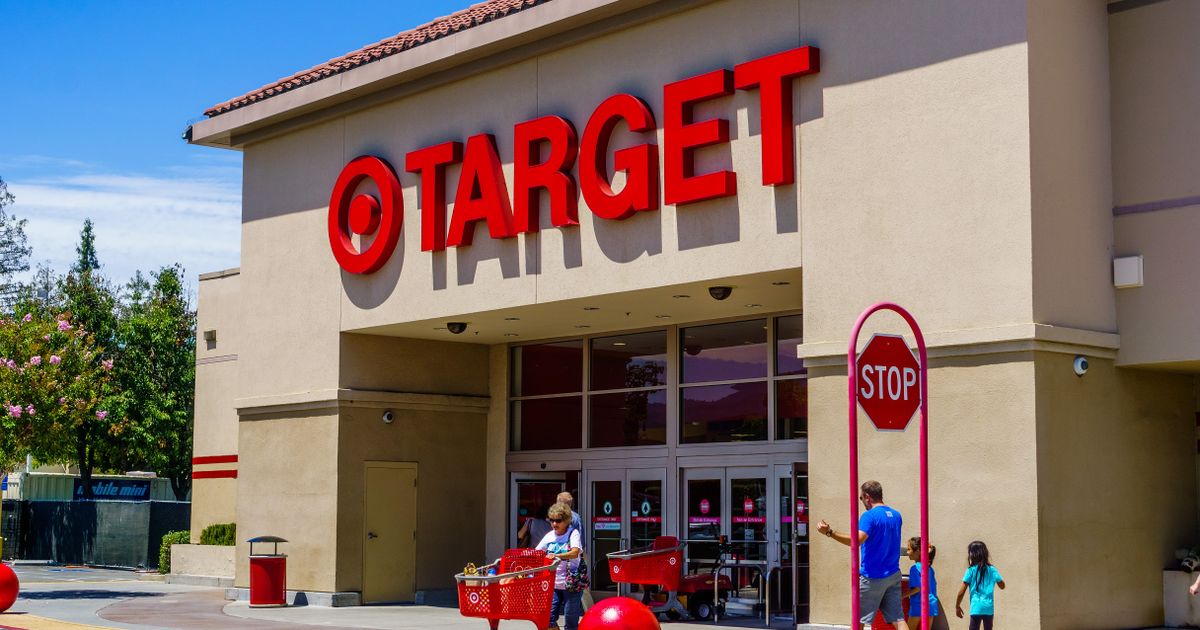
Bank of America kept an Underperform on Target while modestly raising its price target to $106 from $103 and lifting fiscal 2026 EPS to $7.60 (up 3%), noting the retailer’s push to invest an incremental $1 billion in capex and $1 billion in the P&L for 2026 across new stores, remodels, merchandising, payroll, marketing, technology and AI initiatives. Analysts said the strategic store-floor and merchandise refreshes are logical but warned execution risks and that sustainable positive traffic and comp growth may take longer to materialize, with Q1 likely the year’s low point due to startup and front-loaded SG&A costs. Shares traded around $122, up roughly 25% YTD, but BofA reiterated caution given intense competition and limited signs of discretionary-category recovery.
Market structure: Target’s $2bn incremental 2026 investment (capex + P&L) implies a roughly 100–200bps potential margin headwind absent a commensurate sales inflection, benefitting vendors of store remodels, logistics and AI services and discount/warehouse peers (WMT, COST) that can offer lower prices. High stock dispersion (TGT +25% YTD) suggests the market has priced a successful execution; if comps stay flat, entrants with lower cost structures will capture share and force promotional intensity.
Risk assessment: Immediate risk (days–weeks) centers on Q1 print and traffic signals in discretionary categories; short-term (3–9 months) risks are execution missteps on store remodels, startup cost overruns, and inventory markdowns; long-term (2–3 years) the risk is sustained share loss to omnichannel players if investments fail. Tail risks include a major execution failure that triggers a margin reset (>200bps) or a macro shock that compresses discretionary spend; catalysts to watch: two consecutive quarters of +1%+ comps, or a guidance cut within 90 days.
Trade implications: Direct tactical plays: defined-risk bearish option structures on TGT (12-month put spreads) and relative-value pairs long WMT/short TGT to express rotation to lower-cost operators. Volatility should compress if execution color is positive; consider buying protection ahead of Q1 (30–90 days) and scaling exposure on confirmed comp trends over 2 quarters.
Contrarian angles: The street may be underestimating the time-to-payoff: historically retail remodel cycles take 12–24 months to realize normalized comp lift, so the market’s partial rerating could be premature. Conversely, if discretionary categories show early green shoots in two consecutive quarters, the current underweight consensus and put-heavy positioning would create a squeeze; unintended consequence: heavy front-loaded spend could temporarily boost traffic via promotions while eroding medium-term margins.
AI-powered research, real-time alerts, and portfolio analytics for institutional investors.
Request TrialOverall Sentiment
mildly negative
Sentiment Score
-0.25
Ticker Sentiment
