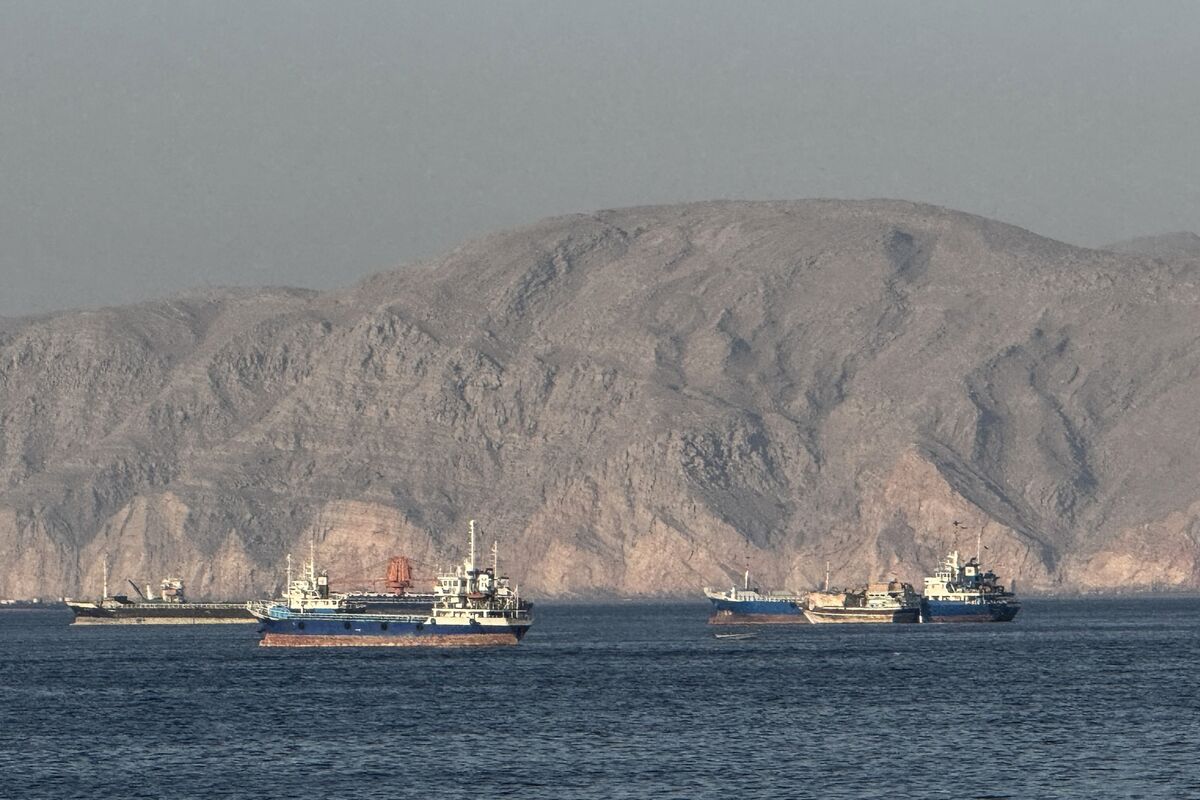
An oil tanker, Olympic Life, reported an explosion 60 nautical miles east of Muscat, Oman, with the crew safe and the vessel continuing to its next destination. The cause of the incident and any environmental impact remain unclear. The event is notable for maritime risk in a key energy shipping route, but the article provides no evidence of broader market disruption.
This is a localized maritime-security shock, not yet a macro oil-supply event. The first-order price reaction should be modest unless there is evidence of coordinated action or broader convoy disruption; the real market issue is whether insurers, shipowners, and charterers begin assigning a higher conflict-risk premium to the Gulf of Oman transit corridor. That matters more for freight and insurance spreads than for crude balances in the next few sessions.
The second-order winner is anyone with leverage to rising tanker risk pricing: tanker owners on clean routes, marine insurers, and potentially non-regional crude exporters that can arbitrage tighter freight availability if vessels re-route or slow steam. The losers are refiners and traders dependent on prompt Middle East liftings, especially those with thin inventory coverage, because even a small uptick in voyage uncertainty can widen delivered crude differentials and delay cargoes by days to weeks. If this becomes part of a pattern, the market will start pricing not just higher freight, but optionality value in alternative barrels from Atlantic Basin supply.
The key catalyst is whether there is any follow-on incident, claims of external interference, or evidence the ship’s propulsion/steering was compromised. If no escalation emerges within 24-72 hours, the move should fade; if multiple vessels report anomalies, expect a fast repricing of regional risk over 2-4 weeks via higher tanker rates and stronger prompt crude spreads. The contrarian view is that the market may over-interpret a single event and under-price how quickly shipping can adapt through route changes and war-risk insurance adjustments.
From a portfolio standpoint, this is better expressed as a relative-value logistics trade than a directional oil bet. The asymmetry is highest if risk premiums rise without a sustained crude rally: tanker equities can re-rate on asset scarcity and day-rate expansion while broader energy beta stays muted. Conversely, if the incident proves isolated, these trades should be treated as short-duration event risk rather than a structural thesis.
AI-powered research, real-time alerts, and portfolio analytics for institutional investors.
Request DemoOverall Sentiment
neutral
Sentiment Score
-0.10
