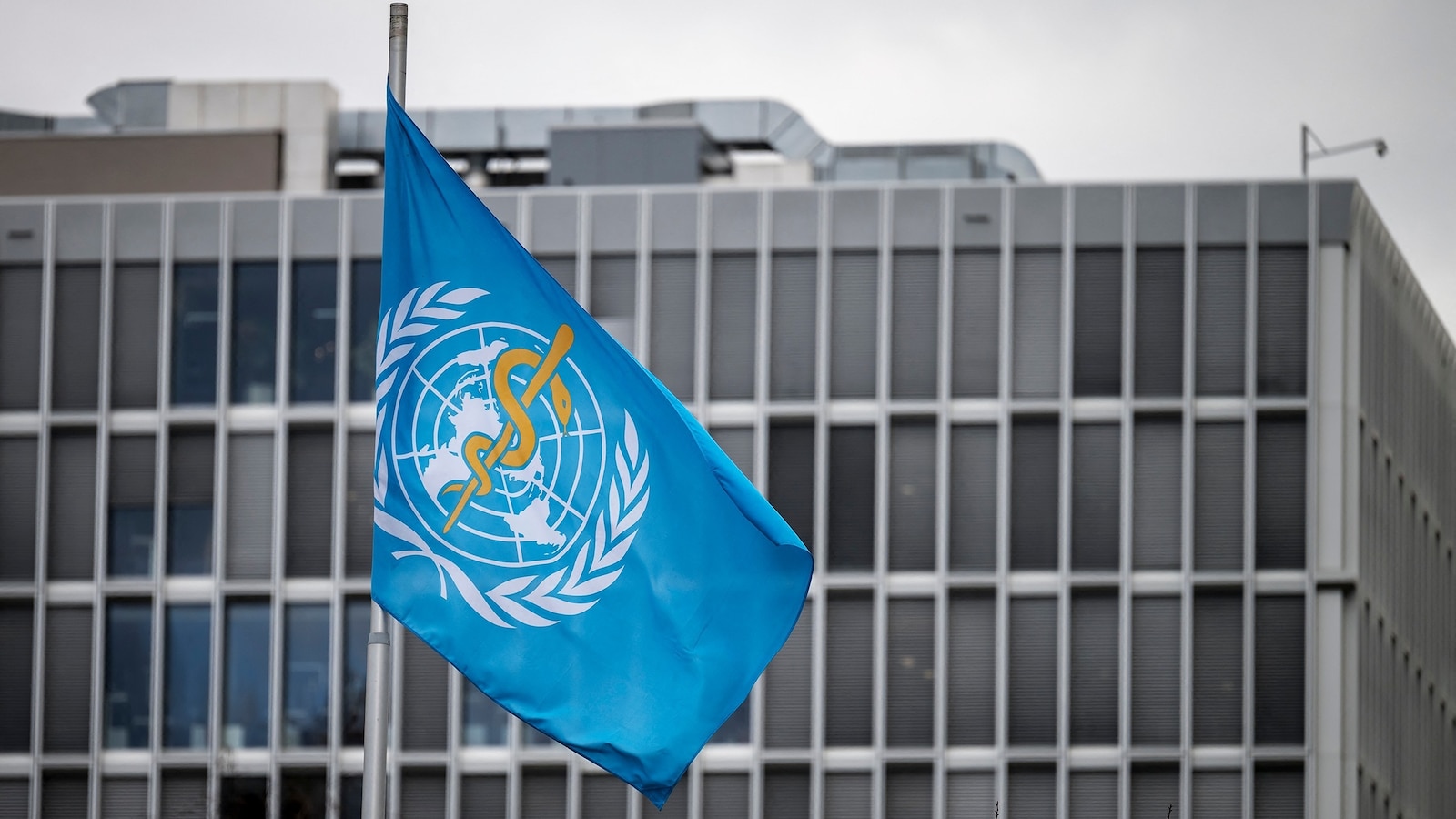
The U.S. has formally completed its withdrawal from the World Health Organization, one year after President Trump signed the notice to leave; HHS and State cited WHO missteps during COVID-19 and contend the U.S. is not obligated under the WHO constitution to pay roughly $270 million in assessed dues for 2024-25. HHS says it will not rejoin or participate as an observer and plans to rely on bilateral programs (2,000+ staff in 63 countries) and other partners for surveillance and outbreak response, while public health experts warn the move could weaken U.S. ability to surveil emerging threats and match vaccines to circulating flu strains. The WHO Executive Board is set to address the withdrawal in early February, creating near-term uncertainty about U.S. participation in global flu and outbreak coordination.
Market structure: The direct beneficiaries are US domestic government contractors and private diagnostics/sequencing vendors that can be contracted to fill surveillance gaps (expect reallocated HHS spending of $200M–$500M annually over 1–2 years). Losers are multilateral procurement channels tied to WHO and NGOs that coordinate vaccines and surveillance in emerging markets, reducing their near-term pricing/power and creating fragmentation in global vaccine procurement.
Risk assessment: Tail risk is a low-probability/high-impact pandemic undetected early because of degraded global surveillance — market shock could wipe 10–20% off cyclical travel and EM assets within weeks. Immediate catalysts are the WHO Executive Board meeting and the WHO-led flu strain-selection meeting in early February; watch the $270M+ dues dispute as a legal/financial hinge over the next 30–90 days.
Trade implications: Expect 6–18 month contract flows favoring Leidos (LDOS), Booz Allen (BAH) and diagnostics/sequencing names (ILMN, TMO); bilateral deals could boost revenues by mid-single to low-double digits for winners. FX/credit impact: hedge EM sovereign/aid-dependent exposure (0.5–2% portfolio) and favor short-dated US Treasuries as a tactical safe-haven; consider buy-write/covered calls or call spreads to control cost if volatility rises.
Contrarian angles: The market may overstate disruption — re-entry or observer status is plausible under future administrations within 12–24 months, making some weakness in global pharma (PFE, SNY) a buying opportunity. Also, fragmentation could accelerate private-market consolidation (M&A target: ILMN/TMO customers), creating idiosyncratic upside unrelated to WHO politics.
AI-powered research, real-time alerts, and portfolio analytics for institutional investors.
Request DemoOverall Sentiment
moderately negative
Sentiment Score
-0.40
