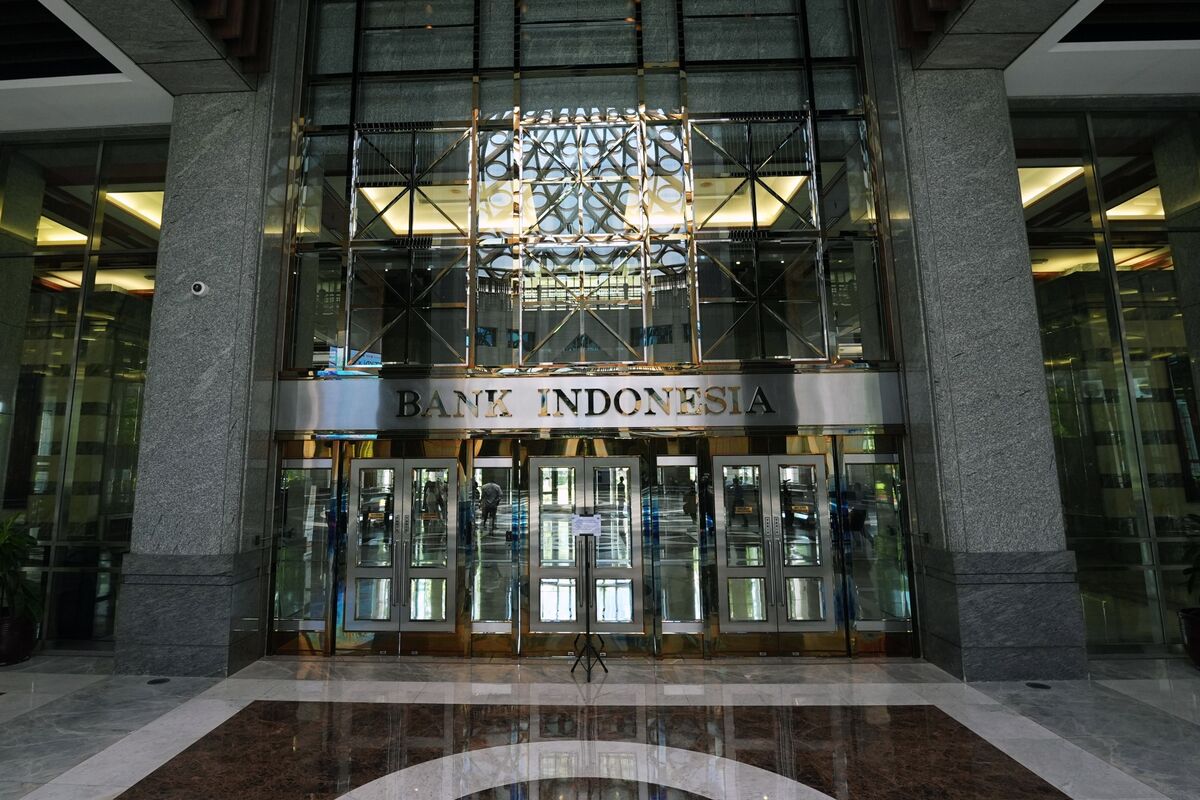
Bank Indonesia raised the BI-Rate by 50 basis points to 5.25%, a larger-than-expected move and the first such hike since 2022. The surprise tightening is aimed at defending the rupiah after it hit successive record lows this month. Markets had mostly expected a 25 bp increase or a pause, so the decision should support the currency but signals a more hawkish policy stance.
This is less a pure policy story than a signal that FX stability has become the binding constraint for Indonesian assets. A front-loaded hike usually works first through expectations: it can slow capital outflows and compress forward USD funding pressure before it meaningfully cools domestic demand, so the immediate winner is likely the curve-end of the rupiah rather than local growth assets. The market is now forced to reprice a higher terminal policy path, which tends to support the currency only if real rates move decisively positive; otherwise the move risks being read as a one-off defense rather than a regime change.
The second-order losers are duration-sensitive domestic equities, especially banks, property, and consumer discretionary names that depend on credit growth and stable household balance sheets. Higher rates also raise debt-service burdens for corporates with unhedged USD liabilities, so the real pain can emerge over the next 1-3 quarters via refinancing stress rather than immediately in headline GDP. If FX volatility persists, imported inflation will remain sticky, forcing policymakers into a tighter-for-longer bias and creating a negative feedback loop for domestic liquidity.
The contrarian view is that the move may be sufficient to trigger a short-covering rally in the rupiah if positioning was extremely crowded against it; in that case the best risk/reward may be a tactical fade of panic rather than a structural bullish currency call. But if the currency fails to stabilize within days, credibility damage rises sharply and the market will assume more hikes or intervention are needed, which is bearish for local beta. The key catalyst window is 1-4 weeks: either FX stabilizes and rate pressure peaks, or reserves/spot levels force another policy shock.
The cleanest trade is to underweight Indonesian domestic cyclicals versus ASEAN peers for the next 1-3 months, with the highest conviction in rate-sensitive banks and property proxies. For FX expression, prefer a tactical long rupiah hedge only on a pullback after the initial spike in implied vol; otherwise maintain USD/IDR upside exposure through options because spot can overshoot on renewed reserve concerns. If using a pair, long a less vulnerable ASEAN market with lower external financing needs against Indonesia until the policy premium is fully priced.
AI-powered research, real-time alerts, and portfolio analytics for institutional investors.
Request DemoOverall Sentiment
mildly negative
Sentiment Score
-0.15
