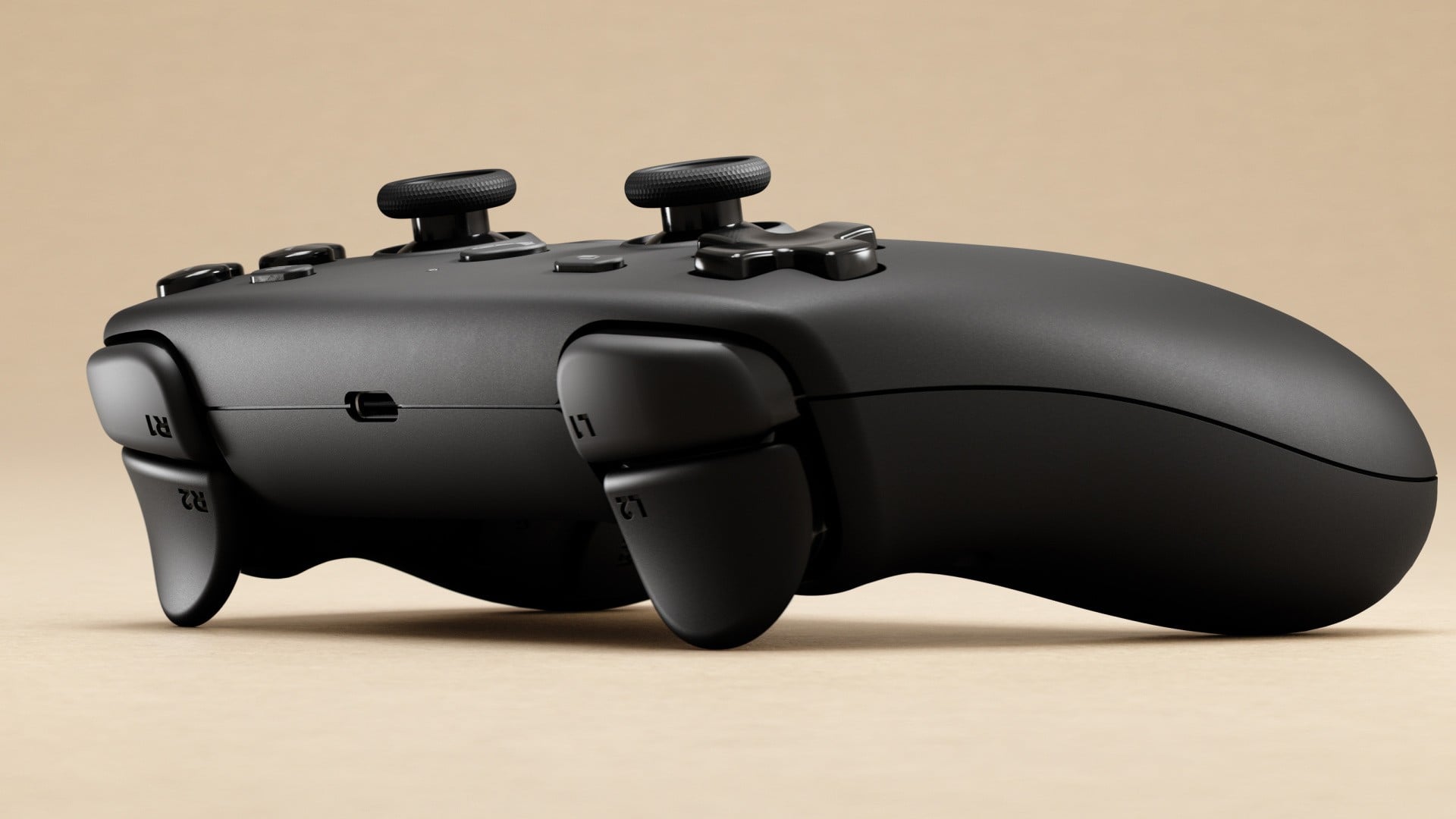
Valve previewed the new Steam Controller, emphasizing a redesigned ergonomic form factor, TMR sticks to reduce drift and power use, improved haptics, and Grip Sense gyro activation. The company says the controller is meant to combine standard gamepad familiarity with PC-specific inputs for launcher and desktop navigation, while staying comfortable and compatible with Steam Input across Windows and SteamOS. The interview is mostly product-design commentary, so the market impact appears limited, but it signals continued investment in Valve hardware and PC gaming accessories.
The strategic read-through is not the controller itself so much as Valve’s continued push to make PC gaming behave more like a closed console ecosystem without surrendering PC flexibility. That is structurally uncomfortable for Sony: every incremental improvement in Steam Input, living-room navigation, and controller-native PC UX reduces the friction advantage of PlayStation hardware on Windows and weakens the rationale for keeping certain titles or features hostage to first-party hardware.
The second-order effect is more important than the launch buzz. If Valve’s trackpad/gyro stack is genuinely good enough to approximate mouse-level control, then the addressable market for controller-friendly PC titles expands into genres that traditionally monetized poorly on gamepads: competitive shooters, RTS/4X, and management sims. That helps Steam ecosystem engagement and could quietly raise attach rates for software purchases, while also increasing pressure on publishers to ensure their PC releases are fully Steam Input compatible at launch.
For SONY, the risk is not near-term hardware substitution; it is gradual dilution of the PlayStation controller moat on PC and a weakening of the “best way to play on a couch” narrative. That matters over a 12-24 month horizon as more users adopt hybrid living-room setups, where comfort, setup friction, and launcher navigation are often more decisive than raw input latency. The counterpoint: this is still a niche premium accessory at a nontrivial price, so adoption likely starts with power users before diffusing to mainstream PC gamers.
The contrarian angle is that the market may overestimate the launch as a mass-market hardware event and underestimate it as a software-control-plane event. If Steam Input becomes the de facto abstraction layer for non-standard inputs, Valve can influence the entire PC controller stack without needing huge unit volumes. That makes the competitive threat to Sony more durable than a simple accessory launch would imply.
AI-powered research, real-time alerts, and portfolio analytics for institutional investors.
Request DemoOverall Sentiment
mildly positive
Sentiment Score
0.25
Ticker Sentiment
