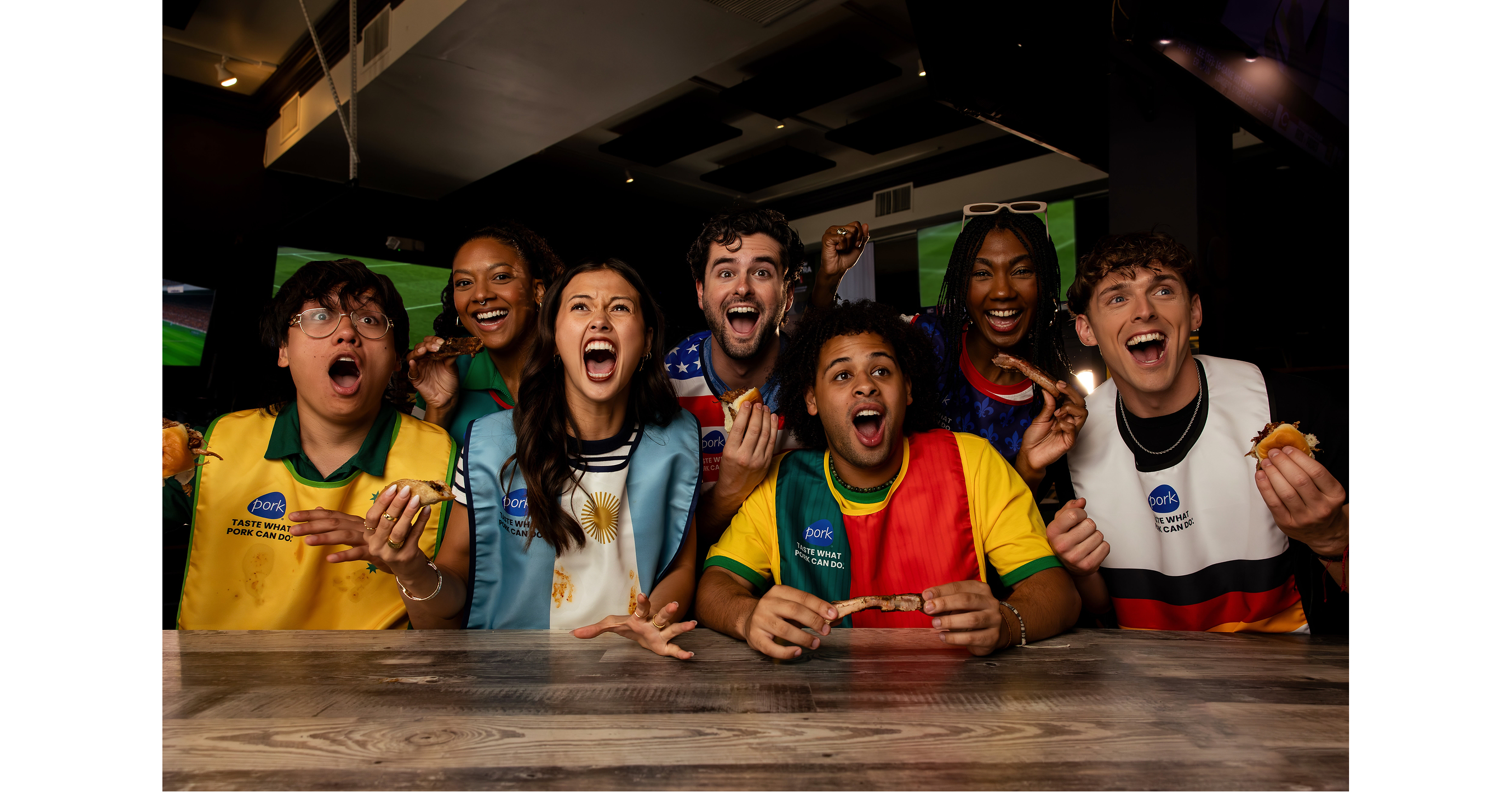
The National Pork Board launched a social-driven game day campaign to promote pork, featuring celebrity chef Marcus Samuelsson and influencer partnerships. The rollout includes globally inspired pork recipes (e.g., sticky ribs, crispy pork belly tacos, ham hock fried rice, grilled pork tenderloin) and a limited-edition Drip Defender giveaway distributed online at no cost. The article is promotional with no clear financial impacts, implying minimal market movement.
This is mostly low-cost brand maintenance, not a fundamental demand event. The only plausible market mechanism is a small share shift inside the meat basket: pork can win incremental occasions against chicken and beef when it is framed as versatile and less messy, but the effect will be swamped by retail pricing, promotional intensity, and input costs. Any benefit should accrue first to processors with the most exposed fresh pork mix, while branded packaged-meat players likely see little direct P&L impact.
The second-order point is that if the campaign has any traction, it matters more for category mix than total protein demand. That could modestly help hog-cutout pricing and margin recovery for processors over 1-3 months, but only if grocery scanners show a real lift in pound growth versus chicken; otherwise this is just noise. The biggest loser, if any, is substitution within center-store meal solutions and chicken-based convenience offerings, not another named company.
Consensus should be careful not to extrapolate social engagement into sales. Food marketing tends to show up as a one- to two-quarter halo at best, and only when paired with price support or distribution changes. The contrarian view is that pork is still primarily a commodity affordability story; without a wider gap versus beef and poultry, this campaign likely fades before it reaches earnings prints.
AI-powered research, real-time alerts, and portfolio analytics for institutional investors.
Request DemoOverall Sentiment
neutral
Sentiment Score
0.05
