
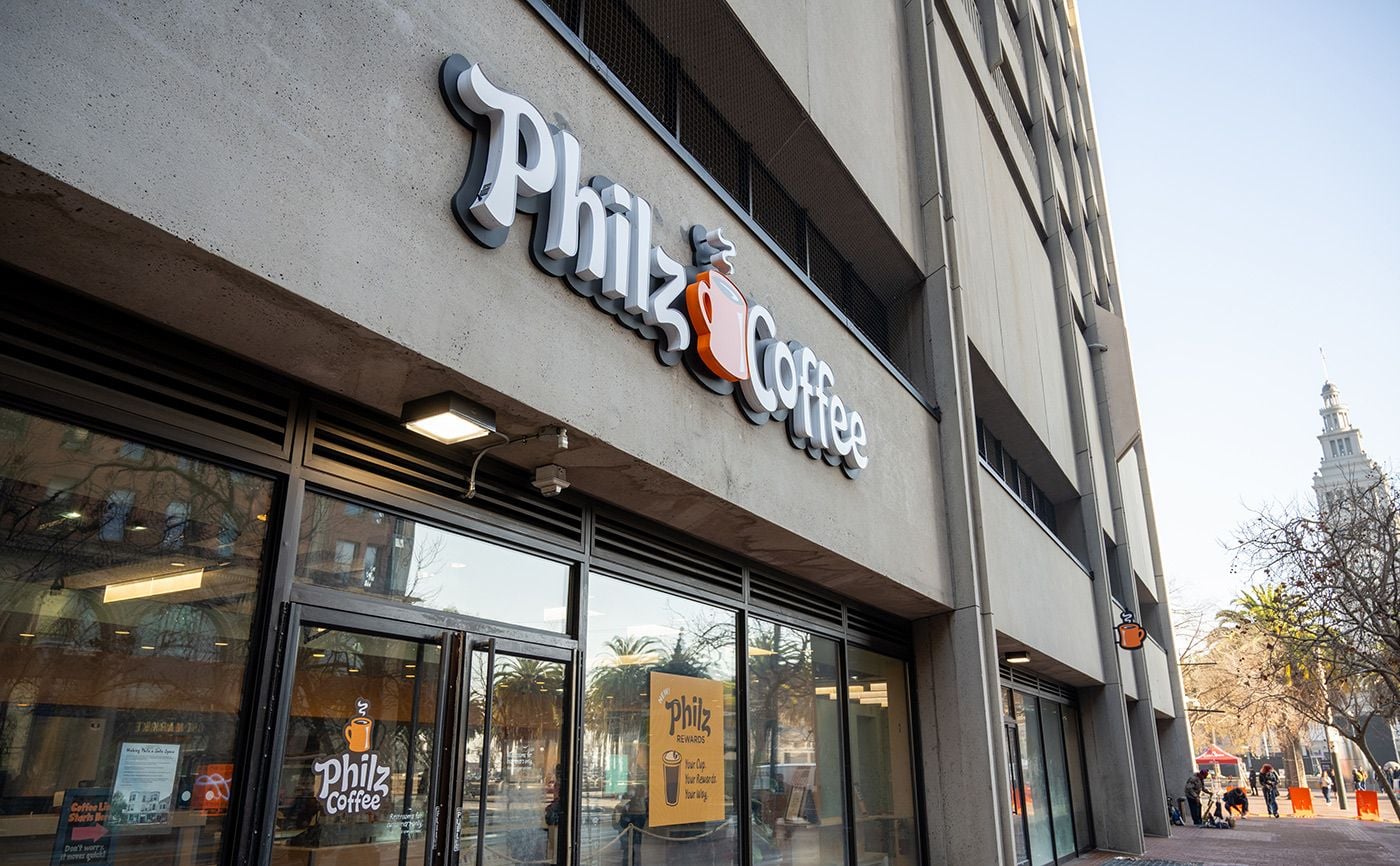
Philz Coffee reversed its policy on Pride flags after CEO Mahesh Sadarangani apologized and said the flags will remain up across all 82 stores. The move follows a week of confusion and has likely caused avoidable PR damage, especially in San Francisco, but the article does not indicate a direct financial or operational impact. The main issue is governance and brand management rather than a quantified business result.
This is less about one coffee chain and more about post-acquisition governance risk: a freshly owned consumer brand just demonstrated that a single judgment error can create outsized reputational damage in days, with little operational cushion to absorb it. The second-order effect is that private-equity owners are now forced to spend management bandwidth and incremental SG&A on brand repair, employee retention, and local marketing — all of which pressure near-term margins while delivering no pricing power. In consumer retail, that kind of self-inflicted volatility often matters more than same-store traffic for a few weeks because it can shift habitual customers to competitors permanently.
The beneficiary set is broader than the obvious local rivals. In urban, values-sensitive markets, independent cafes and national chains with cleaner brand positioning can capture share disproportionately because switching costs are low and the purchase frequency is high. The more interesting read-through is to any PE-backed consumer name with a visible public-facing brand: governance missteps can quickly become a multiple-compression event, especially when the asset is early in the sponsor hold period and the market starts to question operating discipline rather than growth execution.
The reversal lowers the immediate boycott risk, but it does not fully reset trust; the tail risk is a lingering employee morale issue and a repeat flare-up if the company is forced into another culture-war headline. That puts the relevant horizon in weeks to months, not years: traffic can normalize quickly, but brand preference scars tend to show up in repeat visit data and local sentiment with a lag. The contrarian angle is that the market may overestimate financial damage if the company stays out of the spotlight and local-store execution remains intact — this may be mostly a governance headline unless it becomes a pattern.
On the data side, GETY is effectively a watch-item rather than a direct beneficiary: the image/licensing ecosystem can see a small near-term bump from controversy-driven media usage, but there is no durable earnings signal here. The bigger implication is that investors should treat this as an indicator of management quality and sponsor oversight, not as a stand-alone demand shock.
AI-powered research, real-time alerts, and portfolio analytics for institutional investors.
Request TrialOverall Sentiment
moderately negative
Sentiment Score
-0.35
Ticker Sentiment
