



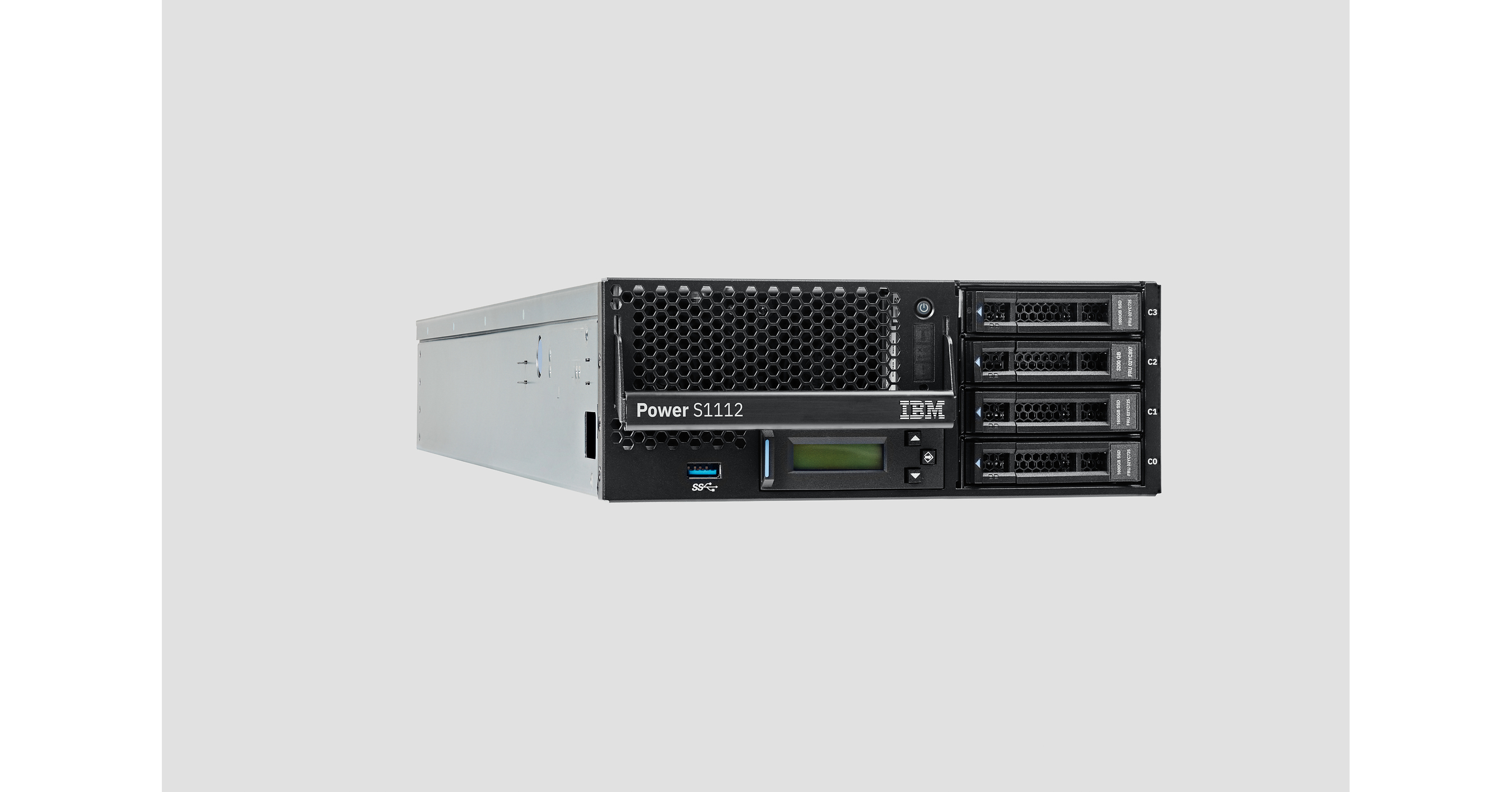
IBM announced IBM Power Autonomous Operations, an AI agent aimed at autonomously resolving Power system capacity constraints up to 15x faster than manual operations (3.33 minutes vs 52.59 minutes in internal testing). The company also launched the IBM Bob Premium Package for i to accelerate IBM i application modernization and introduced the entry-level Power S1112 for local AI inference, citing 2x core performance vs Power S9144 and up to 69% greater energy efficiency vs S9146. While this is a product/initiative rollout rather than an earnings update, it strengthens IBM’s AI + infrastructure roadmap and could support incremental adoption momentum.
This reads less like a new demand inflection and more like IBM tightening the moat around a very sticky legacy stack. The economic benefit is mostly in reducing abandonment risk: if IBM can make Power/i look easier to operate and modernize, it extends the life of installed bases that are already high-margin through software, support, and services attach. That is incrementally positive for IBM’s mix, but the market should not overpay for near-term hardware uplift because server refresh cycles are still governed by customer capex budgets, not brochure-level autonomy claims.
The competitive spillover is more interesting than the headline: anything that reduces the pain of keeping IBM i workloads alive slows migration urgency toward x86, private cloud, and hyperscaler-hosted replatforming. That is a negative read-through for migration enablers and for vendors selling “escape” narratives, while being mildly supportive for IBM Consulting, Red Hat, and lifecycle services economics. The second-order effect is not top-line acceleration; it is higher switching costs, fewer displaced workloads, and potentially better retention into 2027-2028 renewal windows.
Risk is mostly execution and credibility. The 15x efficiency claim is internal-test driven, so the market will care less about the demo and more about whether IBM can convert this into measurable attach rates, support revenue, and better net retention within 1-2 quarters. If order growth, Power backlog, or software attach does not inflect by the next two earnings cycles, the move should fade; conversely, any evidence of IBM i modernization deals or cloud migration deferrals would validate the thesis over 6-18 months.
Contrarian view: consensus may underappreciate how durable the IBM Power installed base remains, but it may also overestimate the revenue size of that durability. This is probably a margin/retention story, not a growth story, so the stock reaction should be muted unless management ties it to bookings or ARR-like metrics. For now, the most attractive expression is relative rather than directional.
AI-powered research, real-time alerts, and portfolio analytics for institutional investors.
Request TrialOverall Sentiment
mildly positive
Sentiment Score
0.35
Ticker Sentiment
